The following guide highlights five highly regarded lemon tree fertilizers to help you choose the right product for vibrant foliage and bountiful fruit. Each option is suitable for different setups—from indoor potted lemons to outdoor trees—emphasizing balanced nutrition, micronutrients, and organic or synthetic formulations. Use the table below to compare quick details before diving into full product sections.
| Product | Brand | Key Benefit |
|---|---|---|
| Lemon Tree Fertilizer, Complete Lemon Tree Plant Food | TPS NUTRIENTS | Simple dosing; tailored for Meyer lemons |
| GARDENWISE Professional Citrus Fertilizer | GARDENWISE | Balanced NPK with micronutrients for all citrus |
| Espoma Citrus-Tone 5-2-6 | Espoma | Organic, ready-to-use; supports year-round growth |
| Liquid Lemon Tree Fertilizer by Perfect Plants | PERFECT PLANTS | Liquid formula with easy mixing |
| Down To Earth All Natural Citrus Mix | Down To Earth All Natural Fertilizers | Organic NPK with mineral additives |
Lemon Tree Fertilizer, Complete Lemon Tree Plant Food
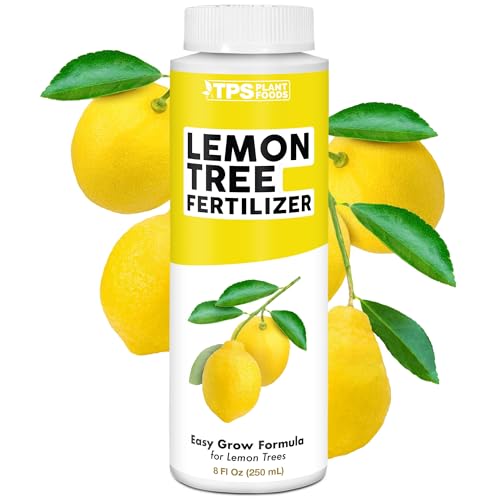
TPS NUTRIENTS markets a liquid fertilizer designed specifically for lemon trees, including Meyer varieties. The product uses a straightforward mixing ratio—two tablespoons per gallon of water—making it easy to apply with regular watering. The formula emphasizes essential nutrients to support healthy growth and fruitful production, helping lemon trees flourish across seasons.
Its designed focus on Meyer and similar citrus plants is evident in its nutrient profile aimed at robust foliage and consistent harvests. Home gardeners reading this section should note the simple application method, which makes it convenient for routine care in containers or in-ground plantings. For best results, follow the label directions and water as you normally would.
GARDENWISE Professional Citrus Fertilizer

GardenWise offers a balanced NPK blend designed for multiple citrus varieties, including lemon trees, with 6% nitrogen, 4% phosphorus, and 6% potassium. The product emphasizes micronutrients—magnesium, zinc, copper, iron, and boron—to support chlorophyll, growth, and fruit development. The formulation is pitched as an all-in-one option that reduces the need for multiple products while delivering sustained nourishment.
In practice, this fertilizer targets both foliage health and fruit quality, aiming for greener leaves and flavorful harvests. Home gardeners may appreciate the longevity of the supply, with a practical application schedule to cover extended periods. As with any citrus fertilizer, monitor plant response and adjust usage based on tree size and fruit load.
Espoma Citrus-Tone 5-2-6

Espoma Citrus-Tone is an organic option designed specifically for citrus trees, including lemons and Meyer lemons. The fertilizer features a 5-2-6 analysis with added calcium and is marketed as ready to use—no mixing required. It is formulated to support year-round growth and fruit production while aligning with organic gardening practices. The product is suitable for in-ground trees and large containers alike, especially for gardeners prioritizing natural inputs.
For seasonal timing, Espoma recommends applying around key growth periods and following up with thorough watering. Gardeners seeking an organic approach may prefer Citrus-Tone for its natural ingredients and the Bio-tone microbial blend often highlighted in Espoma’s line. Always water in after application to help nutrients reach the root zone.
Liquid Lemon Tree Fertilizer by Perfect Plants
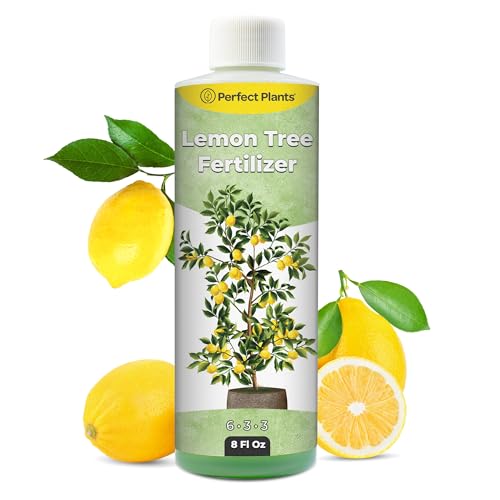
This liquid formula provides a balanced 6-3-3 NPK ratio with micronutrients like zinc and manganese. It is designed to support both outdoor and indoor lemon trees, delivering nitrogen, phosphorus, and potassium plus trace elements necessary for robust growth and fruiting. The application method is straightforward: mix two tablespoons per one gallon of water and apply evenly around the root zone. The emphasis on ease makes it suitable for busy households or gardeners new to citrus care.
Users should observe the tree’s response across several weeks, looking for longer-lasting green foliage and improved flower production. The liquid format enables rapid nutrient delivery, which can be advantageous during periods of heavy fruit set or stress from environmental conditions. Always adhere to label directions for dilution and frequency.
Down To Earth Organic Citrus Mix

Down To Earth offers an all-natural citrus mix with a 6-3-3 NPK ratio plus calcium, sulfur, iron, and zinc, designed to support foliage, flowering, and fruit development. The mix leans on premium natural sources, including feather meal, fish bone meal, alfalfa meal, kelp, and humic acids, to enhance nutrient uptake. OMRI-listed for organic use, this product suits organic gardens and sustainable setups, providing a steady nutrient supply without synthetic additives.
Gardeners may appreciate the emphasis on soil health and long-term soil biology, which contributes to resilient trees and better fruit set. When transitioning to organic blends, follow recommended feeding schedules and monitor for any changes in leaf color or yield to optimize results over multiple seasons.
Buying Guide
- Formulation type: Liquid fertilizers offer quick uptake, while granular or slow-release options provide longer-lasting feeding. Organic blends cater to organic gardens and soil health-minded growers.
- NPK ratio: For lemons, a balanced ratio around 6-3-3 to 5-2-6 supports vegetative growth and fruiting. Some products emphasize higher potassium for fruit quality; consider your tree’s stage and needs.
- Micronutrients: Look for magnesium, zinc, iron, copper, and boron. These support chlorophyll production, resistance to stress, and better fruit development.
- Organic vs synthetic: Organic options align with sustainable practices and OMRI listings, but may work more slowly. Synthetic blends can deliver rapid results but require careful handling.
- Application method: Ease of use matters—pre-measured liquids, ready-to-use granules, or dilute-only concentrates. Indoor trees may benefit from controllable, repeatable feeding schedules.
- Tree type and maturity: Some products highlight citrus-specific formulas; others are all-citrus blends. Consider whether your tree is a Meyer lemon or another citrus variety for tailored nourishment.
- Container vs in-ground: Container trees typically require more frequent feedings due to washed-out nutrients, so choose products suitable for pots if applicable.
- Safety and labeling: Follow label directions for dilution, frequency, and distance from stems to prevent fertilizer burn. Keep fertilizers out of reach of children and pets.
- Maintenance plan: A consistent feeding schedule paired with regular watering and pruning yields the best long-term results for lemon trees.
Selecting the right lemon tree fertilizer involves balancing growth, fruit quality, and soil health. The five products highlighted here each provide distinct advantages—from quick-acting liquids to organic, long-lasting blends. Evaluate your growing conditions, whether you garden indoors or outdoors, and your preferred gardening philosophy to choose the best fit for your lemon trees.