Plumbago, a favorite tropical flowering shrub, thrives with balanced nutrition that supports lush green foliage and vibrant blooms. This guide reviews five fertilizers well-suited for plumbago and other tropicals, emphasizing release methods, nutrient balance, and ease of use. Whether you prefer granular blends for slow release or quick-acting water-soluble formulas, these products cover a range of feeding schedules and soil types to help you keep your tropical landscape healthy and colorful.
| Product | Brand |
|---|---|
| Nelson Plumeria Plant and All Flowering Tropicals Food | Nelson Plant Food |
| Miracle-Gro Water Soluble All Purpose Plant Food | Miracle-Gro |
| EarthPods – Bio Organic Hibiscus Fertilizer Spikes | EarthPods |
| 4-10-10 Bulb and Bloom Fertilizer | Cz Garden Supply |
| 10-10-10 Plant Fertilizer Slow Release | GARDENWISE |
Nelson Plumeria Plant And All Flowering Tropicals Food

Nelson Plumeria and all flowering tropical evergreen plants fertilizer delivers a balanced NPK of 5-30-5, with five nitrogen sources and added sulfur to lower soil pH slightly. The high phosphorus level promotes abundant blooms, which benefits plumbago’s flowering display. Micronutrients support overall plant vigor, while the formulation is designed for both in-ground and container plantings, including plumeria, frangipani, and several tropical trees and shrubs. Use this fertilizer to encourage robust regrowth after pruning, along with healthy, vibrant greenery.
Miracle-Gro Water Soluble All Purpose Plant Food, 3 Lbs

Miracle-Gro’s water-soluble formula delivers rapid feeding for indoor and outdoor flowers, vegetables, and trees. This product is ideal for quick boosts during the growing season and can be applied using a Miracle-Gro feeder or a standard watering can. It provides essential nutrients that help plants reach bigger, healthier growth and more robust blooms. Regular feeds every 1–2 weeks can support tropical varieties that demand steady nutrition, especially during active growth or flowering periods.
100 EarthPods – Bio Organic Hibiscus Fertilizer Spikes
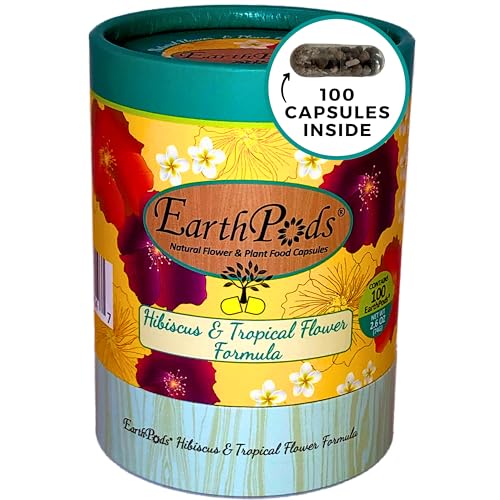
EarthPods offer a no-mess, slow-release organic tropical plant food in a spike form. Designed to feed root zones directly, these pods support flowering plants such as hibiscus, bougainvillea, plumeria, Ixora, and plumbago among others. The pods eliminate measuring and mixing, providing steady nutrition over several weeks with each application. Ideal for container plants and in-ground tropical beds, they can help maintain soil biology and promote vibrant blooms with reduced odor and handling concerns.
4-10-10 Bulb and Bloom Fertilizer

This 4-10-10 formulation emphasizes phosphorus for bloom production, with micronutrients to support overall plant health. While marketed for bulbs and blooming plants, the balanced NPK helps tropical flowering shrubs during peak bloom cycles, promoting vigorous growth and larger flowers. The slow-release nature reduces burn risk and provides sustained nutrition across growing seasons, suitable for mixed borders or container plantings.
10-10-10 Plant Fertilizer Slow Release

GardenWise 10-10-10 provides a balanced all-purpose fertilizer for indoor and outdoor use, delivering equal parts nitrogen, phosphorus, and potassium. The slow-release formula supports continuous feeding with fewer applications, making it suitable for gardens, shrubs, trees, and flowering plants in containers. This product helps establish strong root systems, steady green growth, and vibrant blooms across diverse tropical plantings, including plumbago and other ornamentals.
Buying Guide
Key purchase considerations:
- NPK balance and plant needs: Plumbago benefits from balanced or slightly higher phosphorus to boost blooms, but most tropicals also require adequate nitrogen for healthy foliage. Choose formulas labeled for flowering tropicals or all-purpose plant foods with balanced NPK values.
- Release method: Slow-release granules reduce burn risk and require fewer applications, while water-soluble options provide faster uptake for quick boosts during active growth or stress recovery.
- Soil and pH compatibility: Some tropicals prefer slightly acidic soils. Fertilizers that include micronutrients and soil-acidifying elements (such as elemental sulfur) can help maintain optimal root zone conditions for better nutrient uptake.
- Application cadence: Consider the plant’s growth cycle. Slow-release products may be fed every several weeks, whereas liquid or water-soluble options often require 1–2 week intervals during peak growth or flowering seasons.
- Container vs. in-ground use: For potted plumbago, choose formulations labeled for containers and ensure proper dilution to avoid salt buildup. For in-ground plantings, a granular mixed into the root zone (or periods of top-dressing) can be effective.
- Ease of use and maintenance: EarthPods-like spikes offer mess-free, direct-to-root feeding, useful for busy gardeners or households with kids and pets. Granular blends require mixing or scattering, while liquids demand more frequent attention.
- Safety and environmental considerations: Opt for balanced formulas with organic options when possible to reduce environmental impact. Read label guidelines for application rates and storage.
- Cost and coverage: Compare suggested coverage per bag or per pod, considering the size of your garden or container collection. Long-term value often comes from slow-release products that require fewer applications.
Across these selections, gardeners can tailor feeding to plumbago and other tropical favorites—balancing bloom vigor with leaf health while keeping soil conditions favorable for year-round growth. Always follow label directions and start with a conservative application, especially when introducing a new fertilizer to a planting bed.