Flowering plants rely on balanced nutrition to produce vibrant blooms and enduring vitality. This guide highlights five effective fertilizers tailored for flowering beds, containers, and indoor gardens. Each option targets bloom production, root health, and nutrient balance, helping you achieve fuller color and healthier growth across different plant types.
| Product | Brand | Best For |
|---|---|---|
| Scotts Super Bloom Water Soluble Plant Food | Scotts | Outdoor flowers, containers, and beds needing a phosphorus boost |
| Miracle-Gro Water Soluble Bloom Booster | Miracle-Gro | Annuals, perennials, and container flowers seeking more blooms |
| FoxFarm Big Bloom | FoxFarm | Roses, fruits, vegetables, and flowering ornamentals requiring diverse trace nutrients |
| Burpee Organic Granular Plant Food | Burpee | Vegetables, flowers, herbs with organic, slow-release feeding |
| CZ Garden 4-10-10 Bulb & Bloom | Cz Garden Supply | Indoors and outdoors for robust growth and big blooms |
These selections cover liquid and granular formats, synthetic and organic options, and both immediate- and slow-release feeding. They are suitable for a range of settings—from greenhouse benches to balcony planters—so you can tailor feeding to your bloom schedule, soil type, and plant variety.
Scotts Super Bloom Water Soluble Plant Food
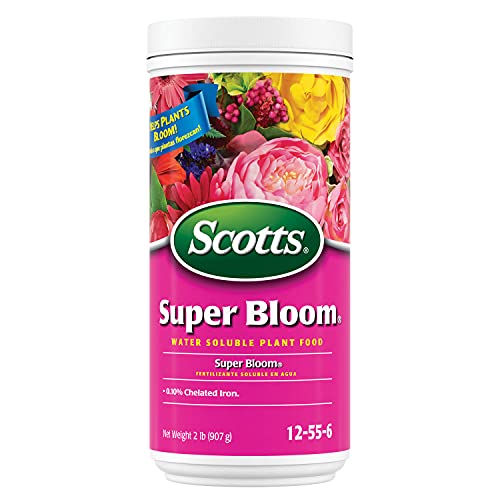
Contains a high-phosphorus formula designed to promote flowering. Feed every 1-2 weeks for best results, and observe rapid uptake with its water-soluble delivery. The product is formulated to support outdoor flowers, fruiting plants, containers, and garden beds, providing an readily assimilable nutrient mix that encourages robust blooms.
Miracle-Gro Bloom Booster Flower Food

Miracle-Gro Bloom Booster is designed to promote more blooms and vibrant color for a wide range of flowering plants, including roses, hydrangeas, hibiscus, and perennials. It feeds plants instantly and can be reapplied every 7-14 days. Suitable for use in beds, containers, and in-ground gardens to support ongoing flowering cycles.
Burpee Organic Granular Plant Food

An OMRI-listed organic granular formula that feeds vegetables, flowers, and herbs with a blend of major nutrients, minor nutrients, and beneficial microbes. The slow-release granules provide ongoing nourishment for up to three months, reducing the risk of fertilizer burn while supporting steady bloom development in both indoor and outdoor settings.
CZ Garden 4-10-10 Bulb and Bloom Fertilizer

A premium all-purpose mix with a balanced 4-10-10 NPK ratio, offering slow-release feeding that supports vigorous growth and larger blooms. It’s designed for a variety of flowering plants, including bulbs and container plants, and aims to minimize fertilizer burn while extending soil fertility over time.
FoxFarm Big Bloom

Big Bloom concentrates essential nutrients and organic matter, including earthworm castings and bat guano, to support robust flowering, root growth, and fragrance. It’s suitable for indoor and outdoor flowering plants, with a focus on improving bloom quality and plant vigor across various species.
Buying Guide: Key Considerations For Flowering Plant Fertilizers
Choosing the right fertilizer for flowering plants involves assessing plant type, growth stage, soil condition, and application method. The following considerations help compare options and pick the best fit:
- Bloom focus vs. growth balance: Phosphorus-heavy formulas (higher middle-number in NPK) typically boost flowering. If blooms are slow, seek a fertilizer with elevated phosphorus. If foliage is also a concern, a balanced or slightly nitrogen-lean mix may be appropriate after bloom starts.
- Delivery method: Liquid fertilizers yield rapid results and are ideal for container plants and quick adjustments. Granular options often provide slower release and longer intervals, useful for in-ground beds.
- Organic vs. synthetic: Organic options (like Burpee Organic) support soil life and long-term health but may act more slowly. Synthetics can deliver fast effects but require careful dosing to prevent burn.
- Application frequency: Some products recommend biweekly feeds, while others offer extended-release formulations. Match frequency to your watering routine and plant needs.
- Plant compatibility: Check labels for suitability with flowering perennials, annuals, roses, hydrangeas, bulbs, and edibles. Some formulas are optimized for specific plant groups.
- Soil and container considerations: Container plants benefit from balanced nutrition and regular feeding, since soil volume limits nutrient reserves. In-ground gardens generally tolerate more gradual feeding.
- Safety and handling: Follow label directions for mixing, watering compatibility, and fertilizer burn prevention. Store out of reach of children and pets, and wash hands after handling.
- Environment and sustainability: Organic options align with sustainable gardening practices and OMRI labeling. Consider your preferred gardening approach when selecting a product.
Across these options, mixing a fertilizer with proper watering practices, sun exposure, and regular pruning creates the best environment for flowers to thrive. Always start with a lower rate if you’re unsure, and monitor plant response over the following weeks to adjust as needed.