When choosing a filter for drip irrigation, the goal is clear: prevent nozzle clogs and keep water flowing smoothly. The best options below are inline Y filters that fit standard 3/4″ connections, trap debris efficiently, and suit both residential and small commercial setups. This guide highlights five top picks, explains who each is best for, and notes practical trade-offs to help you pick wisely.
Buyer note: the top picks below are categorized by application type—home gardens, larger yard systems, greenhouse setups, and portable outdoor use. A quick comparison table is provided to help you scan key specs at a glance.
- Best for chemical-free, compact filtration in home gardens
- Better for delicate drip systems needing extra protection
- Choose this if you want a combined filtration with reliable debris removal
- Avoid this if you require ultra-fine filtration under extreme sediment loads
- Best value for outdoor projects with compatible 3/4″ fittings
| Product | Mesh / Micron | Inlet-Outlet | Best For |
|---|---|---|---|
| Glooglitter Inline Y Filter Duo | 120 mesh / 130 μm | 3/4″ MPT | Home gardens needing consistent flow |
| Orbit 67736 Y-Filter | 150 mesh | 3/4″ MPT | Systems needing fine debris removal |
| Rain Bird RBY075S In-Line Y Filter | 200 mesh (75 μm) | 3/4″ Male | Clog protection for downstream components |
| FULAIERGD US Standard Y Filter | 120 mesh stainless steel screen | 3/4″ GHT / 3/4″ threads | US standard threaded connections, versatile use |
| GIEXSMART 200 Mesh Garden Hose Filter | 200 mesh | 3/4″ GHT | Outdoor versatility and quick connect install |
Glooglitter 2 Pcs Drip Irrigation Inline Y Filters

The Glooglitter set includes two Y-filter units designed for 3/4″ connections. Each filter features a 120-mesh screen and a flat cover, supporting robust debris removal to protect drip emitters. The dual-pack is ideal for mid-sized irrigation zones or for replacing worn filters in a rotating maintenance schedule. Best for homeowners who want a ready-to-install filtration pair without purchasing components separately.
Who it’s best for: gardeners with multiple drip zones or those who prefer a straightforward, compact filtration system. Why selected: its complete, pre-packaged filtration setup reduces parts lists and simplifies replacements.
Caution: ensure correct pipe threading (3/4″ male) to avoid leaks in some fittings. The mesh size is effective for common debris but may require periodic cleaning in very gritty water.
Orbit 67736 Drip Y-Filter

Orbit’s 3/4″ MPT inline Y-filter uses a 150-mesh filter to remove very fine particles before they reach emitters. The Y-configuration supports inline plumbing with valves and pressure regulators, offering a compact solution for clogged-downstream components. Best for: systems that require precise removal of small particulates to safeguard emitters. Why selected: strong reputation for durability and straightforward integration with existing irrigation hardware.
Limitation: the 150-mesh filter prioritizes finer filtration; heavy sediment loads may require more frequent cleaning in sandy water.
Rain Bird RBY075S In-Line Y Filter

Rain Bird’s inline Y-filter combines filtration with a 200-mesh stainless-steel screen (75 μm). Designed to prevent downstream clogging, this unit uses 3/4″ male pipe threads for easy connections to irrigation valves and regulators. Best for: users who want a high-efficiency filter within a single inline unit and who prioritize debris prevention. Why selected: very fine filtration helps extend emitter life in gritty water. Caution: ensure compatibility with existing pressure regulators in your system to avoid pressure mismatches.
US Standard 3/4 Drip Irrigation Y Filter
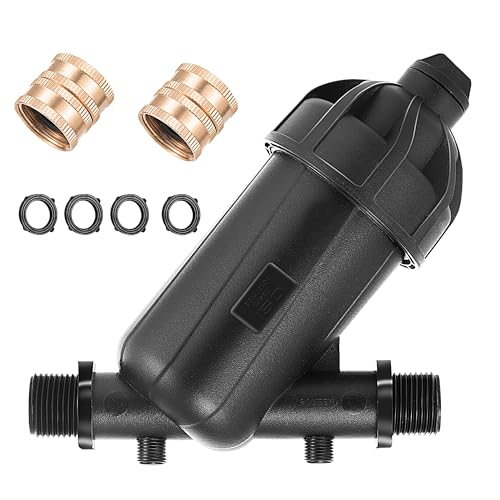
FULAIERGD’s inline Y-filter adheres to US 3/4″ GHT/thread standards. It includes two brass connectors and a 120-mesh stainless screen, delivering efficient filtration with solid build quality. Best for: users who need reliable, US-standard threaded components for garden hoses and regulators. Why selected: broad compatibility and comprehensive filtration. Limitation: ensure thread type matches your equipment to prevent leaks, as non-matching threads can cause seal failures.
Glooglitter 2 Pcs Inline Y Filter With Mesh Screen
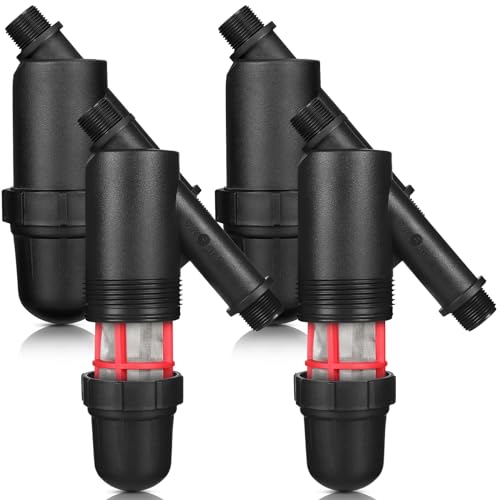
This Glooglitter set provides two inline Y-filters, each with two mesh screens and a 3/4″ male thread. The longer body length yields a larger filtration area, which can reduce cleaning frequency and lengthen the time between maintenance cycles. Best for: greenhouse or garden installations that require high-throughput filtration with simpler maintenance. Why selected: the dual-pack and larger filtration area improve longevity and reduce clog risk. Caution: verify that your existing valves and regulators align with the 3/4″ male thread to ensure a secure seal.
Buying Guide: Key Considerations For Drip Irrigation Filters
- Filtration mesh size vs. water quality: finer meshes (e.g., 200 mesh) trap smaller particles but may reduce flow more. Coarser meshes (e.g., 120–150 mesh) offer higher flow with adequate protection for typical garden soil.
- Thread compatibility: ensure the filter’s inlet/outlet threads match your hose, valve, and regulator connections (3/4″ MPT, GHT, etc.).
- Inline vs. standalone: inline Y-filters save space and simplify installation, but consider flow requirements for larger systems.
- Maintenance needs: larger filter areas require less frequent cleaning; consider filters with easily accessible caps and removable screens.
- Durability and materials: stainless steel screens resist corrosion and provide longer life in outdoor environments; brass connectors offer robust seals for frequent installs.
- System goals: choose higher mesh for high-sediment sites and combine filtration with pressure regulation if you want fewer components in the line.
- Installation context: greenhouse, garden beds, and RV or portable setups benefit from modular, quick-connect designs.
Frequently Asked Questions
- What is the main purpose of an inline Y filter in drip irrigation? Answer: To remove debris before emitters, preventing clogs and maintaining steady flow.
- Which mesh size is best for sandy soils? Answer: Finer meshes (around 200 mesh) catch smaller particles but require more maintenance for flow; a mid-range mesh (120–150) often balances filtration and flow.
- Do I need a filter with a pressure regulator? Answer: Not always, but combining filtration with a regulator can reduce overall component count and simplify installation.
- Can I reuse the same filter across multiple zones? Answer: Yes, if the connections and flow rates are compatible; using a dual-pack can simplify replacements across zones.
- What should I check before purchasing? Answer: thread type, pipe diameter (3/4″ is common), mesh size, and compatibility with existing valves and regulators.
- How often should I clean inline filters? Answer: With typical garden water, inspect every few months and clean as needed, especially in areas with higher grit.