Answering the common question, fir bark is an excellent potting medium for orchids and other tropical plants due to its aeration, drainage, and natural environment mimicry. This guide highlights five fir-bark-based options and who each is best for, helping you choose confidently for home, greenhouse, or floral projects. Whether you’re repotting orchids, tropicals, or creating decorative plant setups, these selections emphasize root health, water management, and long-term stability.
| Product | Best For | Why It’s Notable |
|---|---|---|
| SuperMoss 23114 Orchid Potting Bark | Orchid hobbyists and floral crafters | Natural Douglas Fir bark with ideal pH and drainage for orchids |
| Better-Gro Orchid Bark Premium (4 qt) | Plants needing robust root development | Grower-grade western fir bark nuggets sized for strong roots |
| SuperMoss 23107 White Fir Orchid Bark (1/4″, 2qt) | Compact setups and small orchid pots | 100% natural white fir bark, excellent aeration |
| Legigo 2 Quarts Organic Orchid Bark | Budget-friendly orchid hobbyists | 3/8″ sized bark, good for even distribution and aeration |
| Better-Gro Special Orchid Mix (4 qt) | All-epiphyte orchid varieties | Blend of western fir bark with charcoal and sponge rock for air and drainage |
SuperMoss (23114) Orchid Potting Bark

Product highlights: Natural Douglas Fir bark with favorable pH for orchids; promotes oxygenation and drainage so orchid roots access water and air; suitable for florals and crafts; not heat treated or baked; used in floral baskets, terrariums, and houseplants. Best for orchid hobbyists who want a natural, non-treated medium with reliable drainage. Caution: Some batches can be dusty; rinse lightly before use to minimize dust in pots.
Better-Gro Orchid Bark Premium (4 qt)

Product highlights: Western fir bark nuggets sized for optimal root development; ideal for potting, repotting, or as a base for custom orchid mixes; comes in resealable bags in two sizes (4 qt and 8 qt); pine and fir components support robust root systems. Best for growers needing a versatile, ready-to-use potting medium that balances drainage and water retention. Caution: Not a complete soil mix; mix with perlite or sponge rock for enhanced drainage if needed.
SuperMoss (23107) White Fir Orchid Bark (1/4″, 2qt)
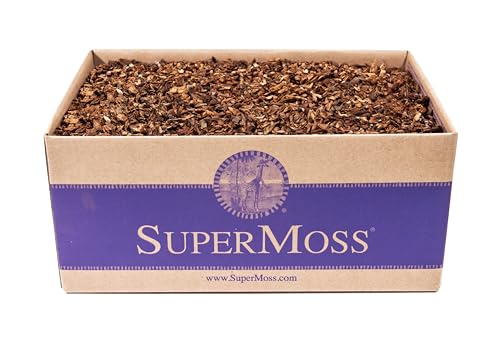
Product highlights: 100% natural white fir bark with a pH suitable for orchids; excellent oxygenation and drainage; not heat treated; sustainably sourced; suitable for florals and crafts as well as terrariums. Best for compact setups and small pots where fine bark improves airflow. Limitation: Smaller size may require more frequent repotting in very active orchid mixes.
Legigo 2 Quarts Organic Orchid Bark

Product highlights: Natural pine bark roughly 3/8″ in size; suitable as a standalone potting medium or mixed with perlite or soil to create an orchid blend; offers stable root growth and insulating mulch around roots. Best for hobbyists seeking a balanced bark size with good drainage. Caution: Comes in a single pack size; plan for future repots if you have larger collections.
Better-Gro Special Orchid Mix (4 qt)

Product highlights: Multi-purpose formula designed for epiphytic orchids; blends western fir bark, hardwood charcoal, sponge rock, and coarse perlite to promote drainage and airflow; supports root ventilation while retaining essential moisture. Best for orchid enthusiasts growing a diverse collection. Limitation: The blend may be more complex than a simple bark medium, so users should adjust watering based on orchid species and pot size.
Buying Guide: Fir Bark For Plants
- What to know before buying: Fir bark size, pH, and whether the mix contains additives like charcoal or sponge rock. Smaller bark improves aeration in small pots; larger nuggets are better for bigger pots or mixed media.
- Best uses: Orchids typically benefit from bark-based mixes that drain well and provide air around roots. Use bark alone or in combination with perlite, sponge rock, or charcoal for tailored drainage and moisture retention.
- Storage and longevity: Keep bark in a dry, ventilated area to prevent mold. Bagged options with resealable closures help maintain freshness and moisture balance.
- Choosing by plant type: Epiphytic orchids generally need coarser bark and good drainage, while orchids with compact roots may tolerate finer bark. Plants like tropicals or terrariums may require a mix that retains some moisture yet stays breathable.
- Practical tips: Rinse or soak bark if dusty. Repot orchids every 1–3 years depending on growth and potting medium stability. Observe root health to adjust watering frequency.
Frequently Asked Questions
- Q: Is fir bark suitable for all orchids? A: Fir bark works well for many epiphytic orchids, but some species may prefer finer or coarser textures. Adjust particle size to root needs.
- Q: Can fir bark be used for houseplants other than orchids? A: Yes, it can be used for tropicals, terrariums, and decorative plant arrangements where drainage and aeration are beneficial.
- Q: How do I prepare fir bark before potting? A: Rinse to remove dust and consider soaking briefly to balance moisture, then drain before potting. Avoid hot or baked bark if you want a natural environment feel.
- Q: How often should I repot orchids in bark? A: Repotting frequency depends on growth; many growers do so every 1–3 years as roots fill the pot and potting media breaks down.
- Q: What should I mix with fir bark for better drainage? A: Perlite, sponge rock, and charcoal can enhance drainage and aeration; adjust ratios based on plant species and preferred moisture level.
- Q: Are there any drawbacks to using fir bark? A: Dust and minor particle release can occur; select high-quality bark and rinse to reduce dust. Some barks may compact over time without added amendments.