Direct answer: For a vegetable garden, choose products that rapidly kill fire ants while minimizing risk to plants and beneficial insects. The best options blend quick mound disruption with long-term suppression, and provide clear usage guidance for outdoor veggie beds. This guide highlights five top products suited for garden alleys, raised beds, and home vegetable plots, explaining who benefits most from each and the reasons behind the recommendation.
Summary table of selected products:
| Product | Best For | Key Benefit |
|---|---|---|
| Ferti-Lome Fire Ant Killer | Dense mounds in lawns and garden borders | Kills the Queen & mound; easy to apply |
| Garden Safe Crawling Insect Killer (Diatomaceous Earth) | Organic garden beds and soil surfaces | Diatomaceous-earth active ingredient; contact kill |
| Spectracide Fire Ant Shield | Season-long protection around foundations | Kills queen and colony; long residual |
| Ortho Fire Ant Killer Mound Treatment | Lawns and ornamentals | Fast mound kill; queen target |
| Ortho Orthene Fire Ant Killer1 (Mound Treatment) | Active mound control with retargeting options | 2-step system option; quick kill |
Ferti-Lome Lb. Fire Ant Killer

Best for tackling established fire ant mounds in home landscapes and garden borders. The product claims to kill the queen and the mound, offering a straightforward application method. Suitable for gardeners who want a simple, ready-to-use solution with fast mound disruption. Note that it is manufactured in China, which may matter to buyers seeking domestically produced options.
Who it’s best for: homeowners facing persistent fire ant mounds in vegetable garden edges or adjacent lawn areas. Why selected: strong emphasis on queen and mound destruction to prevent rapid mound regrowth. Limitation: limited details on long-term residual control; prepare for reapplication if new mounds appear.
Garden Safe Crawling Insect Killer With Diatomaceous Earth

Best for organic gardening and vegetable beds where chemical sensitivity is a concern. This product uses diatomaceous earth to kill insects by contact, making it well-suited for surface application around plants and soil where ants forage. It’s particularly appealing to gardeners pursuing organic practices and wanting a component compatible with soil health.
Who it’s best for: organic gardeners and vegetables grown with minimal synthetic inputs. Why selected: supports organic principles and can be applied to soil surfaces. Caution: effectiveness relies on proper coverage and dry conditions; damp conditions may reduce performance.
Spectracide Fire Ant Shield Yard Protection Granules 10 Pounds

Best for extensive perimeter and yard protection around vegetable plots. These granules claim quick action to kill the mound and colony, with season-long control up to three months. It’s a practical option when you need broad-area defense in a garden that includes raised beds and edging.
Who it’s best for: gardeners seeking reliable, longer-duration protection around vegetable beds and foundations. Why selected: combines rapid activity with extended control, reducing repeated treatments. Limitation: may require correct weathering conditions to maximize residual effectiveness.
Sevin 100550409 Insect Killer Dust
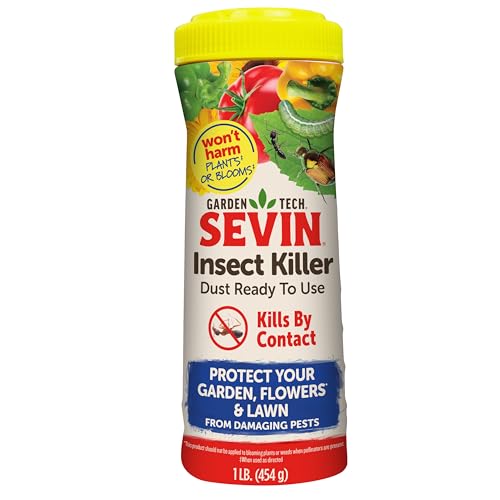
Best for gardeners seeking a broad-spectrum dust that can be applied directly to soil and mounds. It kills by contact and claims coverage across a wide range of pests, including ants. Choose this if you want a versatile option for multiple garden pests, though it may affect non-target insects if misapplied.
Who it’s best for: those needing a multi-pest solution with a dust formulation. Why selected: convenient for treating active mounds and surrounding soil. Caution: use with care to minimize impact on beneficial insects and avoid over-application near edible crops.
Neudorff Outdoor Ant Killer, Ant Bait Granules

Best for perimeter defense in organic-friendly setups. This bait granule option lures ants from hiding spots and targets foraging ants, with a focus on outdoor use around homes, gardens, and vegetable beds. It may take time to see full colony effects but offers a cleaner approach to long-term suppression.
Who it’s best for: gardeners who want an outdoor perimeter strategy without harsh synthetic pesticides. Why selected: effective for multiple non-fire ant ants and suitable for organic-minded plots. Limitation: explicitly excludes certain ant species like fire ants and harvester ants, so combine with other products if fire ants are the main target.
Ortho Orthene Fire Ant Killer1 – Mound Treatment

Best for aggressive mound damage and queen targeting outdoors. This product is presented as part of a two-step system, designed to destroy existing mounds quickly and control new mounds with supplemental products. It targets the entire colony to reduce regrowth in veggie garden areas.
Who it’s best for: gardeners seeking a rapid, two-step approach to mound destruction around vegetables. Why selected: fast-acting, with a plan for ongoing control through a companion product. Caution: use as directed with other Ortho products for best results and avoid over-application near edible crops.
Ortho Orthene Fire Ant Killer1 – Mound Treatment (14 oz)

Best for high-volume mound treatment with a focus on queen elimination and longer-term suppression. This variant emphasizes a two-step system and notes a long window of control, suitable for larger vegetable plots and multiple mounds. Choose this if you need substantial mound reduction and ongoing suppression.
Who it’s best for: gardeners managing several mounds and looking for a structured control plan. Why selected: clear pathway to reduce new mounds, with quick action on existing colonies. Caution: coordinate with the two-step Ortho system for optimal results and follow safety guidelines near edible crops.
Buying Guide
What should I consider when choosing a fire ant killer for a vegetable garden?
- Target scope: do you need quick mound elimination or long-term suppression around beds?
- Organic compatibility: is an organic or low-tox formulation important for your garden?
- Safety around edibles: ensure the product’s labeled use includes vegetables and leafy greens.
- Application method: granules, dust, or liquid—what suits your garden layout and equipment?
- Residual effect: how long does the product last, and will you need reapplication after rain?
How do I apply these products safely in a vegetable garden?
- Read and follow the label for outdoor use, dilution rates, and reentry times.
- Avoid applying directly to edible parts of plants; target mounds and surrounding soil.
- Water the area only as directed after application to minimize runoff and protect beneficial insects.
- Keep children and pets away from treated areas until safe according to the label.
What combination strategies work best for vegetable gardens?
- Pair a fast-acting mound treatment with a season-long barrier product to reduce regrowth.
- Consider an organic option for beds dedicated to leafy greens, paired with a non-organic product for perimeter defense.
- Use bait-based products around the garden perimeter to lure foraging ants away from crops.
FAQ
- What is the fastest way to eliminate fire ant mounds in a vegetable garden?
Answer: Use a fast-acting mound treatment designed for outdoor use, following label directions for application to the mound and surrounding soil. - Are these products safe for use near vegetables?
Answer: Most products are labeled for outdoor use around yards and garden beds; always verify edibles compatibility on the label and avoid direct application on crops. - Should I use organic products exclusively in vegetable gardens?
Answer: If organic gardening is a priority, select diatomaceous earth-based or other organic formulations and apply per label, noting they may require more frequent reapplication. - Can I combine two different fire ant products?
Answer: Some brands offer stepwise systems intended for combined use; always follow the manufacturer’s guidance to avoid interference or over-application. - How long does control last after application?
Answer: Residual control ranges from weeks to months depending on the product and weather, so plan reapplication around the garden season. - Will these products affect beneficial insects?
Answer: Improper application can affect non-target insects; select products labeled as garden-safe and apply precisely to mounds and soil where ants forage.