Answering the question of what to buy for a child-friendly gardening project, these five products offer engaging, easy-to-grow flower seeds and kits designed for kids. Ideal for beginner gardeners, classrooms, or family projects, they emphasize safety, education, and quick, visible results. The top picks include kits that spark creativity, wildflower mixes that attract pollinators, and edible flower options for tasty garnishings. Each selection is chosen for simplicity, clear instructions, and kid-friendly activities.
| Product | Why It’s a Good Pick | Best For |
|---|---|---|
| Groundio Wildflower Seeds Mix | High germination, no filler, 24 varieties, pollinator friendly | Outdoor planting and long-term growth |
| Seed Needs Edible Flower Seeds | Edible varieties with simple sowing instructions | Kids who want edible garnishes |
| HOME GROWN Zinnia Dahlia Seeds Pack | Large batch, beginner-friendly, vibrant colors | Borders, containers, bouquets |
| National Geographic Flower & Herb Kit for Kids | Hands-on planting with decorate-and-grow activities | Classroom or family garden |
| Fairy Garden Seed Kit | Whimsical, indoor/outdoor use, pollinator-friendly | Imaginative, magical garden projects |
Groundio Wildflower Seeds Mix 25,000+

Best for outdoor planting and butterfly-friendly gardens. This mix includes 24 annual, perennial, and biennial flowers with a high germination rate and no filler. It’s designed to attract pollinators like butterflies and bees, making it ideal for kids who want to see quick wildlife-friendly results. Consider this if you want a versatile, meadow-style bed that grows to 12–48 inches tall and covers a broad area.
Limitations: germination can vary with soil and weather; expect 35–75 days to flowering in typical conditions.
Seed Needs Edible Flower Seeds Variety Pack

Best for kids who want edible gardening experiences. This 7-pack assortment includes Swiss Giants Pansy, Johnny Jump Up, Wild Bee Balm, Jewel Nasturtium, Common Chives, Borage, and Pacific Beauty Calendula. Each seed packet is clearly labeled with sowing instructions and illustrations. It’s a simple, educational way to demonstrate that flowers can be edible and decorative at the same time.
Limitation: effectiveness depends on successful harvest timing; some edibles may require cooking or garnishing to enjoy.
HOME GROWN Zinnia Dahlia Seeds Pack

Best for beginners seeking a bold floral display. This 524-seed pack offers vibrant zinnia-dahlia varieties that bloom in weeks and last through summer. Easy-to-grow seeds are suitable for borders and containers, and they work well for beginner gardeners who want noticeable color quickly. This option is ideal for family plantings and creating cut flower arrangements.
Caution: large numbers of seeds can be overwhelming; start with a portion of the pack in one season to manage growth and care.
National Geographic Flower & Herb Gardening Kit for Kids
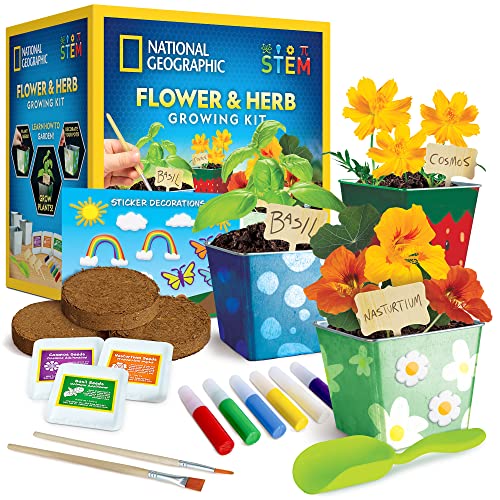
Best for educational, hands-on learning. This complete kids garden kit includes three stainless-steel pots, cosmos, nasturtium, and basil seeds, plus decoration supplies. It’s designed to make planting accessible and engaging for young gardeners, with a learning guide to support activities. Choose this for a structured, kid-friendly gardening project that doubles as a classroom activity.
Limitation: the kit focuses on a few plant varieties, so it may not offer a wide selection for older kids seeking more experimentation.
Fairy Garden Seed Kit – Flower Seeds Kit for Kids

Best for imaginative play and pollinator-friendly planting. This kit provides wildflower seeds aimed at creating a butterfly-friendly garden and a magical, fairy-tavored outdoor space. It’s ideal for indoor planting in pots or small outdoor patches, encouraging storytelling and creative engagement while teaching basic gardening concepts.
Limitation: may require more supervision for younger children to manage planting steps and watering routines.
Buying Guide
- What should I look for in kids’ flower seeds?
- Are edible flowers a good option for beginners?
- What is germination rate and does it matter for kids?
- Should I pick a kit or individual seed packets?
- How can I balance outdoor planting with indoor projects?
What to Consider When Choosing
- Age-appropriate complexity: kits with simple steps suit younger children; larger seed packs are better for older kids who want more experimentation.
- Germination and growth: higher germination and faster flowering help maintain engagement for kids who want quick results.
- Pollinator appeal: wildflower mixes attract bees and butterflies, turning gardening into a mini-ecosystem activity.
- Safety and edibility: edible flower seeds offer an extra learning angle but require supervision for consumption.
- Indoor vs. outdoor: kits with pots support indoor growth beginners, while wildflower mixes are ideal for outdoor beds or containers.
Frequently Asked Questions
- Are wildflower seed mixes good for kids? Yes, they are typically easy to grow, attract pollinators, and offer visual rewards as plants mature.
- Can edible flower seeds be grown by children? They can, but adults should supervise, especially with handling herbs and preparing edible parts.
- What helps seeds germinate faster for kids? Consistent moisture, proper sunlight, and following packet instructions maximize early germination and growth.
- Should I start indoors or outdoors? Indoor pots are great for beginners; outdoor planting is ideal for larger projects and pollinator gardens.
- Which kit is best for classroom use? Kits with clear instructions, a learning guide, and durable components are preferable for a classroom environment.
- How long does it take to see flowers? Most beginner-friendly seeds show blooms within 4–12 weeks, depending on species and conditions.