Shade can be a designing challenge, but the right flowering shrubs bring color, texture, and seasonal interest to dim corners and under canopies. The following selections are bred to perform well in partial to full shade, with varying bloom times and sizes to fit small or expansive landscapes. Each option offers reliable performance, easy care, and attractive foliage that remains visible even when not in bloom.
| Product | Brand | Key Benefit | Growth Habit |
|---|---|---|---|
| Autumn Amethyst Encore Azalea | Encore Azalea | Reblooming colorful purples and pinks | 4′ x 4′ |
| October Magic Dawn Camellia | Southern Living | Early-fall pink and white blooms | 4′ – 6′ x 3′ – 4′ |
| Shade Wildflower Mix (Seed Packet) | Lawn Seed Feed | Pollinator-friendly color, continuous bloom | Varies by planting |
| Viburnum Spring Bouquet | Florida Foliage | Fragrant spring blooms and evergreen foliage | Compact hedge form |
| Autumn Royalty Encore Azalea | Encore Azalea | Years of reblooming deep pink flowers | 4′ x 4.5′ |
Autumn Amethyst Encore Azalea (1 Gallon)

The Autumn Amethyst Encore Azalea is a reblooming evergreen shrub with a compact habit suited for borders and foundation plantings. It delivers repeated waves of purple-to-pink blossoms across multiple seasons, attracting pollinators while providing year-round structure. Gardeners should note its preferred conditions align with partial to full sun in many climates, and pruning after spring bloom can help maintain shape without sacrificing next-season buds. Hardy in zones 6–9, this cultivar remains a versatile option for shaded or semi-shaded spaces.
October Magic Dawn Camellia (2.5 Quart)

The October Magic Dawn Camellia is a flowering evergreen shrub that provides double pink blooms with cream highlights in fall, offering a graceful transition from late-season color into winter interest. It grows into a compact-to-mid-sized form (about 4–6 feet tall by 3–4 feet wide) and thrives best in part sun to part shade, especially with morning sun and afternoon protection. This camellia brings a refined, architectural look to shade gardens and makes a strong focal point along walkways or entryways.
Shade Wildflower Mix (Seed Packet)

This seed mix introduces a dynamic palette of shade-tolerant wildflowers designed for continuous color and pollinator support. The resealable pouch helps keep seeds fresh, improving germination rates, while the diverse blend attracts a broad range of birds and insects throughout the growing season. It pairs well with leafy shrubs in under-canopy beds, creating visual interest even before shrubs come into full bloom.
Viburnum Spring Bouquet (3 Live Plants)

The Viburnum Spring Bouquet offers an evergreen foundation with fragrant late-winter to early-spring blooms. The dense, mounded growth habit suits hedges and borders, providing year-round foliage and seasonal interest. This cultivar is well-suited for shade-connected landscapes and can serve as a reliable backbone plant in mixed borders, delivering structure while supporting pollinators during bloom periods.
Encore Azalea Autumn Royalty (1 Gallon)
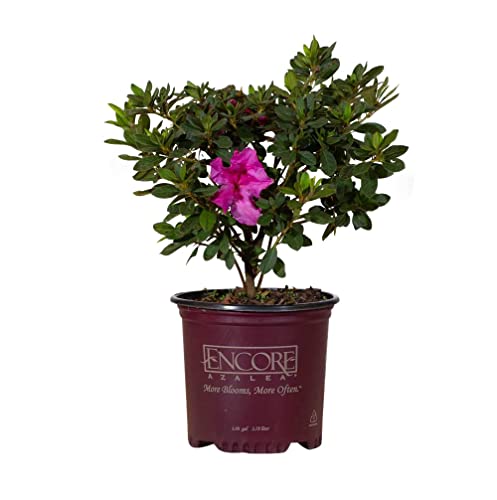
Encore Azalea Autumn Royalty is a reblooming purple azalea with a compact form suitable for mass planting or focal accents. It blooms across spring, summer, and fall, drawing butterflies and other pollinators. Once established, it requires minimal pruning, though light shaping after spring flowering is recommended to maintain vigor and shape. It can reach approximately 4.5 feet wide by 4 feet high, making it a versatile choice for mid-sized landscapes and mixed borders.
Eden Brothers Partial Shade Wildflower Mixed Seeds

This seed mix emphasizes partial shade adaptability, offering a broad spectrum of flowering species designed to attract pollinators. The blend includes perennials and annuals to ensure a succession of color across growing seasons. While not a shrub, it complements shade-friendly shrubs by filling understorey spaces with vibrant color and providing habitat for bees, butterflies, and other beneficial insects.
Yellow Jane Magnolia Live Plant – 18” Tall

The Yellow Jane Magnolia is a striking 18-inch shrub that grows into an ornamental tree with fragrant, yellow blossoms. It thrives in full sun to partial shade and is easy to grow with well-drained soil. Its bright blooms and bold structure make it an appealing accent in shaded landscapes, especially near entryways or seating areas where dramatic color can be appreciated without intense sun exposure.
Seed Needs Partial Shade Wildflower Seed Mix

This seed mix emphasizes partial shade tolerance while offering a diverse palette of annual and perennial species. It includes several varieties—cornflower, forget-me-not, foxglove, and more—designed to bloom across multiple seasons. This option supports pollinators and provides ongoing color, complementing shade-tolerant shrubs and evergreen backdrops for a multi-layered garden look.
Buying Guide
Key considerations for choosing shade-loving flowering shrubs include light availability, mature size, and climate compatibility. – Light: Many shade-tolerant shrubs prefer dappled or morning sun with afternoon shade; verify how much light your site actually receives. – Size and spacing: Plan for eventual width and height to avoid crowding doors, paths, or foundations. – Soil and drainage: Amend heavy soils to improve drainage and organic content; most shrubs dislike soggy roots. – Cold hardiness: Match cultivars to your USDA zone to ensure winter survival. – Maintenance: Some varieties rebloom with light pruning; others require less pruning but consistent moisture. – Pollinators: Choose nectar-rich blooms to support bees and butterflies. – Aesthetics: Consider bloom time, color, and foliage for year-round interest. – Planting method: Container plants offer faster establishment; seeds and bare-root options may require more care at planting. – Garden design: Use a mix of evergreen structure and flowering shrubs to maintain visual interest in winter and summer alike. – Budget and availability: Some cultivars ship better in certain seasons; plan purchases accordingly for best success. – Environmental impact: Native or regionally adapted varieties typically perform best and reduce maintenance needs. – Pest and disease resistance: Look for resistant cultivars to minimize problems over time. – Maintenance schedule: Establish a light pruning routine to encourage healthy growth and bloom cycles. – Color coordination: Pair with perennials or annuals for ongoing color contrasts throughout the seasons.