Gardeners with afternoon sun often struggle to choose blooms that thrive in warmer, brighter hours. This article highlights five products that perform well in late-day light, from bold wildflowers to hardy perennials and sun-loving garden essentials. Each selection includes practical features, best-use scenarios, and planting or care tips to help you cultivate a stunning display as the sun lingers.
Summary Table of Chosen Products
| Product | Brand | Key Benefit | Link |
|---|---|---|---|
| HOME GROWN Texas Wildflower Seeds | HOME GROWN | 22 varieties for continuous blooms in full sun | View |
| Frontier Co-op Organic Hibiscus Flowers | Frontier Co-op | Vibrant red blooms for teas, dyes, and landscaping | View |
| Perennial Farm Sedum kamtschaticum | Perennial Farm Marketplace | Low-maintenance, yellow flowers, drought-tolerant | View |
| DIANlOVS Plant Shade Umbrellas | DIANlOVS | Protects plants from harsh afternoon sun | View |
| JOSUMALY Stained Glass Sun Catcher | JOSUMALY | Enhances sunny windows with colorful light | View |
Texas Wildflower Seeds: 22 Varieties for Full Sun

HOME GROWN’s Texas Wildflower Seeds offer 87,500+ seeds across 22 varieties designed for full sun and mixed light conditions. This bulk mix creates a vibrant meadow that can attract pollinators—bees, butterflies, and hummingbirds—throughout the growing season. The mix is adaptable to different soil types, making it suitable for large garden beds or backyard meadows. For afternoon sun regions, choosing varieties with upright growth and extended bloom periods helps maintain color as daylight wanes. The seed mix supports continuous flowering with staggered bloom times, giving you a dynamic, sun-drenched display.
Frontier Co-op Hibiscus Flowers, 16 Ounce
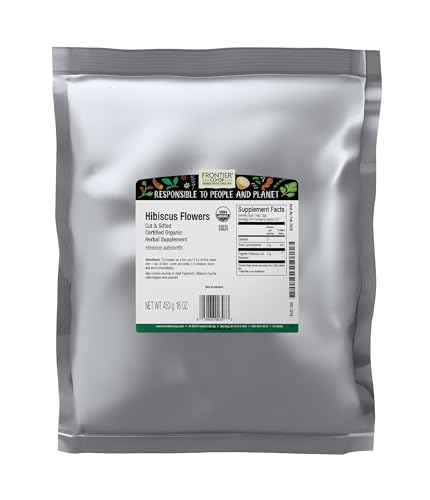
Frontier Co-op Hibiscus Flowers (Hibiscus sabdariffa L.) are bulk, organic, and non-irradiated, delivering a bold red color and a tart, fruity note to beverages, culinary uses, or ornamental plantings around sunlit spaces. In afternoon sun, hibiscus plants can reach radiant growth with enough warmth and water. Dried hibiscus petals can be rehydrated for teas, and the live plant option offers a striking focal point in a sunny garden bed. For container or bed planting, hibiscus appreciates well-drained soil and consistent moisture, thriving in bright afternoon light that intensifies flower color.
Perennial Farm Sedum kamtschaticum Var. ellacombianum ‘Cutting Edge’

Perennial Farm Marketplace offers a hardy groundcover, Sedum kamtschaticum, with lime-green to yellow foliage and yellow summer blooms. This drought-tolerant perennial is well-suited to full sun or afternoon sun in regions with hot afternoons, requiring minimal maintenance once established. Its rosette growth and spread make it ideal for edging, rock gardens, or under window boxes where bright light persists into late afternoon. Sedum helps reduce soil erosion and provides a steady supply of nectar for pollinators late in the day, contributing to a resilient garden ecosystem.
DIANlOVS Plant Shade Umbrellas

DIANlOVS shade umbrellas are designed to protect potted plants and garden beds from the harshest afternoon sun. With a 23.6-inch diameter canopy and a reflective interior, these sun shade covers can filter light while preserving plant color and preventing scorch. The sturdy alloy frame and durable canopy are suitable for outdoor plant displays, raised beds, or patio pots. For gardeners growing sun-loving flowers like hibiscus or wildflowers, these umbrellas can help manage heat stress during peak sun hours, extending blooming periods and promoting healthier leaves and petals.
JOSUMALY Stained Glass Sun Catcher

This stained glass sun catcher showcases a purple iris motif that catches and refracts sunlight, adding a colorful accent to windows that receive afternoon sun. While not a plant product, sun catchers complement sunny garden spaces by enhancing the color palette visible from inside the home. The UV-printing technology ensures lasting vibrancy, making it a decorative element for sunlit porches, kitchens with southern exposures, or garden rooms where natural light plays across blooms in late-day light.
Buying Guide: Key Purchase Considerations for Afternoon Sun Gardens
- Light exposure and bloom timing: Choose flower mixes or perennials with peak neon hours aligned to your yard’s afternoon sun intensity. Mix early, mid, and late-season bloomers to maintain color after the sun shifts.
- Soil and water needs: Full-sun plants generally prefer well-draining soil and steady moisture. Incorporate compost and mulch to retain moisture during hot afternoons and reduce soil temperature spikes.
- Pollinator support: Wildflower blends and nectar-rich perennials attract bees and butterflies, which improves ecosystem health and garden vitality across the season.
- Maintenance and drought tolerance: Drought-tolerant species like Sedum reduce water usage and are ideal for late-day gardens. Shade-protective tools can help manage extreme heat in container displays.
- Container versus in-ground planting: If space is limited, select dwarf hibiscus or compact sedum varieties for containers. Shade umbrellas can protect potted plants from scorching afternoon sun.
- Aesthetic considerations: Use color combinations that reflect late-afternoon light—warm tones such as yellows, reds, and oranges tend to pop in bottom-light conditions; cool tones can create a serene transition to dusk.
- Care and longevity: Organic hibiscus and perennial sedum require minimal fertilizer and moderate pruning to maintain shape and ongoing bloom cycles. Regular deadheading encourages continued flowering in many species.
- Season extension: If you want prolonged display into colder months, consider decorative elements like sun catchers or reflective planters to maximize light capture and visual impact even when days shorten.
In summary, choosing a blend of wildflower seeds for sun-rich beds, a striking hibiscus specimen, a resilient groundcover, protective shade accessories, and ambient sun-catching decor can collectively enhance an afternoon sun garden. Each product selected offers practical benefits—from pollinator-friendly blooms to heat management—while contributing to a vibrant, low-maintenance outdoor space that remains lively as daylight fades.