Finding the right seed mix for sandy soil helps attract and sustain deer, turkey, and other wildlife. This guide highlights five Amazon offerings that perform well in sandy conditions, emphasizing drought tolerance, nutrient richness, and easy establishment. Each product is suited to different buyers—from backyard plot hobbyists to serious food-plot managers needing long-lasting mixes. Use the quick reference table below to compare key points at a glance.
| Product | Best For | Key Benefit | Ideal Soil Type | Notes |
|---|---|---|---|---|
| Domain Outdoor Hot Chic Food Plot Seeds for Deer, Chicory | Seasonal planners | PH tolerant perennials that last several years | Sandy to acidic soils | 1/2 acre per jug; reusable container |
| EVOLVED HARVEST Throw & Gro No-Till Forage for Deer | Low-till setups | No-till, fast-growing forage | Wide, including sandy | Easy to plant; multiple species |
| Whitetail Institute Imperial Clover Food Plot Seed | Cold seasons and protein focus | Antler-building protein; hardy in extreme temps | Moderate to sandy | Spring and fall planting |
| Whitetail Institute Extreme Deer Food Plot Seed | Low water or poor soil | Chicory-based; high protein | Poor to sandy soils | Includes WINA-100 chicory |
| Whitetail Institute Summer Slam Deer Food Plot Seed Mix | High biomass in sandy soil | High-protein, drought-tolerant | Sandy to medium-heavy | 3,000–4,000 lbs/acre biomass |
Domain Outdoor Hot Chic Food Plot Seeds for Deer
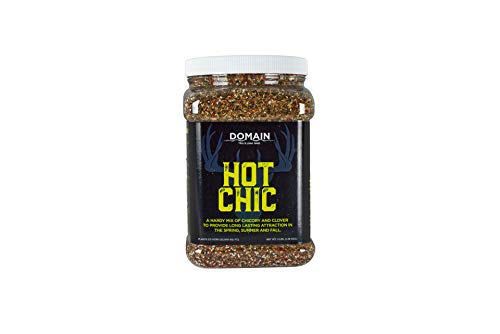
The product is a hardy mixture designed for pH-tolerant, cold-season perennials that supply nutrient-rich forage for deer and turkey. It is best for buyers seeking a long-lasting, semi-perennial option that can endure acidic soils and drought while crowding out weeds. A single jug covers about 1/2 acre and comes in a reusable container. Choose this if you want a durable, multi-year food plot that doesn’t require frequent reseeding.
Who it’s best for: landowners prioritizing long-term forage with soil tolerance in sandy or acidic plots. Limitation: results may vary with extreme soil inconsistency; annual reseeding could still be needed in very poor patches.
EVOLVED HARVEST Throw & Gro No-Till Forage for Deer

This no-till mix blends tetraploid ryegrass, forage clovers, and brassicas to deliver a fast-growing, nutritious forage for deer. It’s particularly suitable for buyers with limited tilling capacity or those expanding to marginal plots. The no-till formula allows planting without disking, increasing usable space. Best for: quick establishment on sandy soils without heavy equipment. Caution: performance depends on moisture availability; very dry sites may require supplemental irrigation.
Whitetail Institute Imperial Clover Food Plot Seed

Imperial Clover is packed with protein to support antler growth and fawn development, with strong cold tolerance and resilience to heat and drought. This makes it a strong choice for sandy plots that experience temperature swings. It’s ideal for spring and fall planting windows. Best for: hunters seeking steady, protein-rich forage through challenging seasons. Limitation: may require careful timing to align with deer feeding patterns in your area.
Whitetail Institute Extreme Deer Food Plot Seed

Designed for poor soil or low water conditions, this perennial blend emphasizes drought tolerance and high attractiveness to deer. It includes the WINA-100 perennial forage chicory, known for tenderness and palatability. It provides substantial protein and can support extended feeding periods in sandy landscapes. Choose this if your soil is sandy and moisture is intermittent. Limitation: chicory components may require some management to prevent weed encroachment in ultra-dry spots.
Whitetail Institute Summer Slam Deer Seed Mix

This mix centers on high-protein peas and legumes, which boost deer forage quality and biomass. It’s drought and heat tolerant and performs well in sandy soils, producing significant biomass that supports heavy grazing. Best for buyers seeking substantial forage production in a single season. Limitation: may require more frequent reseeding if your plot experiences heavy annual disturbance or weed pressure.
Buying Guide
What should you consider when choosing seed for sandy soil?
- Soil compatibility: Look for mixes labeled as sandy-soil tolerant or drought-tolerant. Perennial components can reduce reseeding needs.
- Establishment method: No-till options are ideal for plots with limited equipment or fragile soils.
- Seasonal timing: Some blends perform best with spring or fall planting; others are designed for year-round forage.
- Nutritional goals: If antler quality is a priority, prioritize protein-rich mixes that include clover or brassicas.
- Water availability: In sandy soils, ensure you have a plan for irrigation during dry periods to support establishment and growth.
How to plan your seed mix
Start with a primary forage option (e.g., clover or chicory) for soil health and deer attraction. Add a fast-growing component for immediate forage and a hardy perennial for long-term cover. Consider a no-till mix to minimize soil disruption in loose sandy plots. For seasons of extreme heat or drought, include drought-tolerant seeds to maintain forage quality.
Common buying considerations
- Coverage: Check how many acres each jug or bag covers and align with your plot size.
- Longevity: Perennial components reduce reseeding but may require maintenance to manage competing weeds.
- Management needs: Some blends require minimal tilling, while others benefit from light soil preparation.
FAQ
- Q: Which seed mix is best for sandy soil? A: Options labeled as drought-tolerant, salt- and pH-tolerant, or no-till blends are typically best for sandy soils.
- Q: Do I need to till sandy soil before planting? A: No-till formulations allow planting without heavy tilling, preserving soil structure.
- Q: How long do perennial components last? A: Perennial mixes can last several years with proper maintenance, reducing reseed frequency.
- Q: How much area does a product cover? A: Coverage varies; refer to jug/bag listings—one jug often covers about 1/2 acre.
- Q: When should I plant for best results? A: Many blends support spring and/or fall plantings; timing depends on your region and deer pressure cycles.
- Q: Can these seeds withstand drought? A: Several listed blends emphasize drought tolerance, especially those designed for sandy or low-water conditions.