Answering how to shield plants from frost, cold snaps, and winter winds, this guide highlights five effective plant covers. Each option suits a specific gardening scenario—from small gardens to larger plots, and from delicate seedlings to established shrubs. Use the summary table below to quickly compare key points and pick the best fit for your needs.
| Product | Best For | Protection Range |
|---|---|---|
| MAQIHAN Plant Cover | General frost protection for diverse plants | Light to moderate frosts |
| AlpineReach Frost & Sun Protection 10 x 30 ft | Season-long protection for beds and crops | Frost, wind, snow |
| AlpineReach Frost & Sun Protection 10 x 50 ft | Large garden rows and perimeters | Frost, wind, snow |
| SUNPRO Plant Covers 10 ft x 30 ft | Large raised beds and expansive plots | Frost to light frost, pests |
| FARAER Plant Cover 10 ft x 33 ft | Thick, reusable winterizing cover | Frost down to 38°F |
MAQIHAN Plant Cover – 6.5 ft x 13 ft
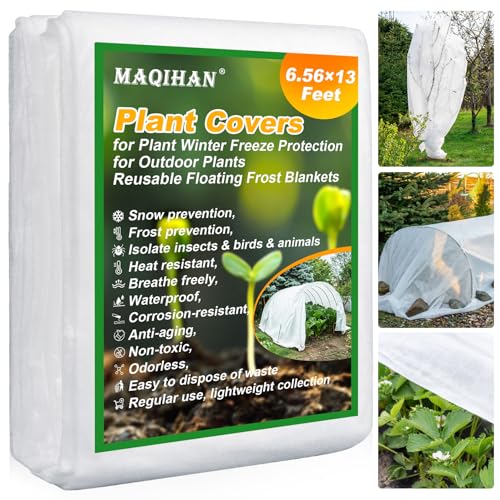
Best for versatile frost protection with easy customization. Made from 1 oz/sq non-woven fabric, it blocks frost while allowing sunlight for growth. It also serves as a barrier against snow, pests, and animals. The fabric’s breathability supports ongoing plant health. Cut to size and covered directly on plants, or held with hoops for a tailored fit.
Best for small to medium garden beds or transplanted shrubs. The lightweight, reusable design reduces waste and fits a variety of garden layouts. Caution: not designed for extremely heavy snow loads; remove if snow accumulates heavily to avoid damage.
AlpineReach Frost & Sun Protection 10 x 30 ft

Best for all-season protection with light transmission. This breathable frost cover shields against frost, snow, and wind while maintaining essential light, air, and water flow. The result is a microclimate that supports healthier plant growth and faster germination when conditions improve. The design minimizes plant stress during cold stretches.
Choose this if you need a mid-sized cover that balances warmth and light. Limitation: larger beds may require multiple panels or support frames for uniform coverage.
AlpineReach Frost & Sun Protection 10 x 50 ft

Best for expansive plots needing winter and wind protection. The longer 50 ft length covers extensive rows, trees, or multiple raised beds. It provides a chill barrier while remaining breathable to nourish plant health. This option is suited for growers with larger gardens who want fewer seams and easier handling.
Caution: heavier covers may require more anchoring in windy sites to prevent displacement during storms.
SUNPRO Plant Covers Freeze Protection 10 ft x 30 ft
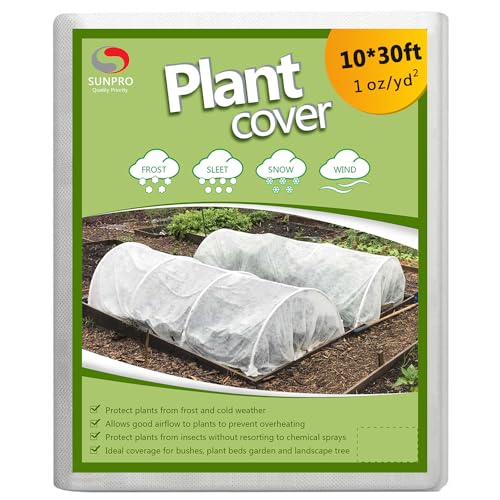
Best for large-scale gardens needing cut-to-fit flexibility. This 10×30 ft cover uses 1.0 oz/yd² fabric, offering 24°F–28°F protection while transmitting most light. It acts as a thermal barrier and allows water to reach soil, which helps with germination and early growth. Also serves as a barrier against birds and insects.
Choose this when you want a lightweight, high-coverage option that preserves soil moisture. Limitation: slightly longer installation time may be needed to ensure full coverage without gaps.
Valibe Plant Covers Freeze Protection 10 ft x 30 ft
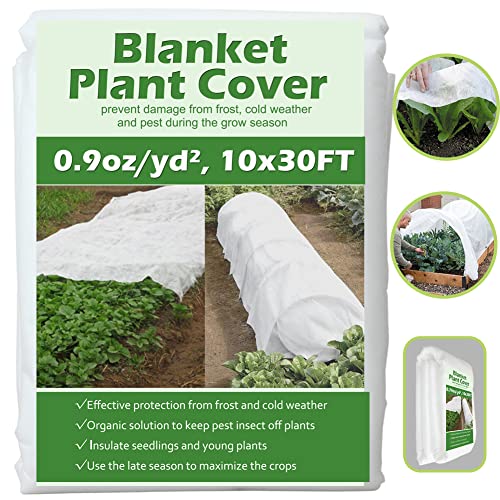
Best for large area coverage with easy customization. The 0.9 oz/sq fabric is lightweight and breathable, letting sunlight through while shielding from frost. The material is suitable for multiple uses and can be cut to fit different configurations. It also acts as a barrier against pests and cold rain.
Ideal for gardeners who want a cost-effective, reusable option. Limitation: slightly less insulation than heavier blankets, so it’s best for moderate frost scenarios rather than extreme cold snaps.
Buying Guide: How to Choose The Right Frost Cover
- Size and fit: Measure bed width, bed length, and plant height. Look for covers that can be cut to size or come in long lengths to minimize seams.
- Material and weight: Lighter fabrics (0.9–1.0 oz/yd²) offer good light transmission and airflow but may provide less insulation than heavier options. Heavier fabrics insulate more but may reduce light.
- Breathability: Ensure the fabric allows air and moisture to reach roots. This supports germination and plant health while preventing mold.
- Protection range: Match the frost protection rating to your climate. Some covers shield only light frosts, others withstand deeper cold with snow and wind.
- Ease of use: Consider whether you’ll use hoops, frames, or simply lay the cover over plants. Some designs are easier to fix in place.
- Durability and reuse: Reusable covers reduce waste and cost over time. Check seams, edges, and anchoring options for long-term use.
- Multi-season utility: Some covers also protect against pests or provide sun shading, which can influence your choice depending on seasons.
Frequently Asked Questions
- What is the best frost cover for seedlings?
A breathable, lightweight cover that transmits adequate light and allows air movement is ideal to support seedling growth while protecting from frost. - Can I use frost blankets to protect fruit trees?
Yes, larger covers can wrap around small fruit trees or be laid over smaller trees to create a warmer microclimate, but ensure proper anchoring in windy areas. - How do I choose between 10×30 ft and 10×50 ft covers?
Choose 10×30 ft for medium plots or raised beds; choose 10×50 ft for long rows or larger plantings to reduce seams and handling time. - Is it better to cut the cover or buy a pre-cut size?
Cutting to size provides a precise fit for irregular layouts, but pre-cut sizes reduce setup time and ensure consistent coverage. - Do frost covers affect sunlight for plants?
Most high-quality covers allow 70–85% light transmission, supporting photosynthesis while offering frost protection. - How should I secure a frost cover in winter?
Use landscape pins, rocks, or weights to secure edges and prevent blow-off in windy conditions.