Best frost protection for trees means selecting durable, breathable covers that shield your plants from frost, snow, and cold winds while still allowing light and moisture in. This guide highlights top options for different garden sizes and tree types, from large shrubs to young saplings. The recommended picks cater to homeowners seeking easy installation, reusable use, and reliable winter protection. Whether you farm a few fruit trees or maintain a small orchard, the right frost cloth can help your plants survive freezing temps with minimal stress.
| Product | Best For | Key Benefit | Notable Limitation |
|---|---|---|---|
| HEKIWAY Plant Covers | Large trees and shrubs | Extra-large coverage with zipper and drawstring | Heavy fabric may be tougher to store |
| SCRUBIT Frost Blankets | Long-lasting protection | Thick, durable, transmits sunlight 90% | Two-pack size may require larger storage space |
| Pasidener Plant Covers | Deer and wind protection | Zipper and drawstring, UV-stable | May feel heavier when fully deployed |
| AlpineReach Frost Covers | All-season protection | Breathable insulation boosts microclimate | Provide moderate coverage; check fit for tall shrubs |
| SDLDEER 4 Pack | Multi-plant protection | Includes burlap tree wrap for trunk protection | 4-pack sizes may need tailoring to plant size |
HEKIWAY Extra-Large Frost Covers for Trees
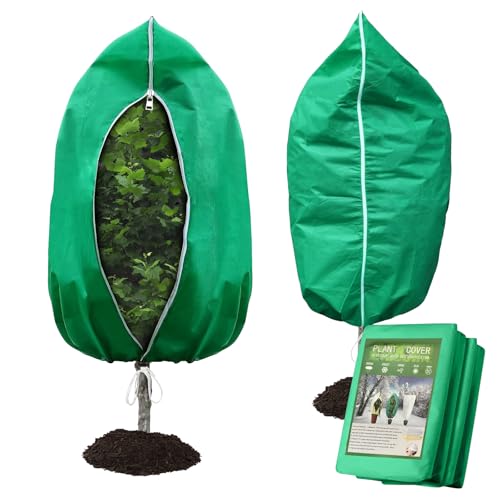
Best for: Large trees, shrubs, and citrus that need extensive winter coverage. The 95″ x 95″ size makes it possible to cover substantial plant material in one go. The fabric is a thick 2.8 oz/yd² non-woven material, providing a solid frost barrier while still offering breathability. This is well-suited for homeowners with a mix of medium to large plantings who want quick, secure coverage.
Why selected: The combination of heavy-duty material and an integrated zipper plus bottom drawstring delivers practical, reusable winter protection. The zipper allows quick access to inspect plant health without removing the cover entirely, while the drawstring ensures a windproof seal at ground level. This reduces wind-driven damage during storms.
Limitation: The oversized fabric can be bulkier to store when not in use. If you have limited storage space, you may prefer lighter, smaller covers for individual plants.
Best use tip: Place the cover over plants early in cold spells and close the zipper to maintain a stable microclimate around foliage and soil. This helps protect buds and early growth from frost damage.
SCRUBIT Frost Blankets For Outdoor Plants

Best for: Large plants and trees that require durable protection across multiple seasons. The set includes two thick, long-wiber blankets designed to survive winter use while still allowing light to reach the plant. The fabric is described as extra thick and long-lasting, which helps protect against repeated freeze-thaw cycles.
Why selected: SCRUBIT emphasizes winter resilience with a thick fabric that remains flexible and provides reliable insulation. The design also aims to minimize stunting by maintaining adequate sunlight transmission at about 90%, ensuring ongoing photosynthesis during winter months where light is scarce.
Caution: While the blankets are robust, their extra warmth can be less ideal on milder days if you don’t vent or remove them during sunny breaks. Use the zipper and drawstring to open and ventilate when temperatures rise.
Best use tip: Pair with a windbreak or stakes to stabilize in gusty conditions. The product is well-suited for growers who want dependable protection across seasons without sacrificing light.
Pasidener Plant Covers With Zipper Drawstring

Best for: Gardeners seeking protection from frost, wind, and pests around trees or large shrubs. These covers are designed to stay in place through windy conditions, thanks to a strong bottom drawstring and a side zipper. The breathable fabric with UV protection helps ensure light and moisture reach the plant while maintaining warmth.
Why selected: Pasidener focuses on user-friendly installation and additional protection against animal nibbling. The combination of zipper and drawstring makes it practical to adjust without removing the entire cover, which is helpful during periods of fluctuating temperatures.
Limitation: The zipper placement along the side may require careful alignment to avoid snagging branches when covering tall plants. Inspecting shape before fully enclosing is advised.
Best use tip: Use the zipper to check plant status during part-wreeze days—unzip briefly to water or inspect without fully exposing the plant to cold air.
AlpineReach All-Season Frost Cover

Best for: Gardeners seeking consistent protection across seasons, including late frost risk and light snow. This cover aims to create a warmer microclimate around the plant while allowing essential light, air, and water to pass through for ongoing growth.
Why selected: The design emphasizes a balance between insulation and breathability. By enabling light transmission and air exchange, AlpineReach helps seedlings and established plants alike avoid the risks of overheating or moisture buildup under covers.
Caution: This cover is described as all-season, but extremely windy districts may require extra anchoring to prevent displacement. Consider staking or additional ballast in windy locations.
SDLDEER 4 Pack Frost Protection Covers

Best for: Homeowners who want a bundled solution for multiple plants of varying sizes, plus trunk protection. The four-pack includes a burlap tree wrap for extra trunk defense, offering combined protection against cold damage and animals.
Why selected: The set covers a range of plant sizes with mixed shapes, making it easy to tailor coverage without purchasing singles. The burlap wrap adds an extra safeguard for trunks, which can be particularly susceptible to cold cracking and nibbling by wildlife.
Caution: The larger sizes may require adjustment to fit smaller potted trees properly. If trees are small or potted, trim or fold excess fabric for a snug, windproof fit.
TCBWFY 78x41Inch Plant Covers (4 Pack)

Best for: Gardeners seeking a compact yet robust winter solution for several small-to-medium plants. The four-pack provides multiple covers with full-length zippers and drawstrings for quick installation and secure fit.
Why selected: The extra-thick 2.82 oz/yd² fabric offers strong insulation while remaining breathable. A full-length zipper simplifies covering and removal, and the bottom drawstring helps prevent blow-off in blustery weather.
Caution: The 78×41 inch size may require trimming to fit certain plant shapes. Verify plant height and spread before assembly to ensure full coverage without snagging branches.
Clebay 6 Pack Mixed-Size Plant Covers
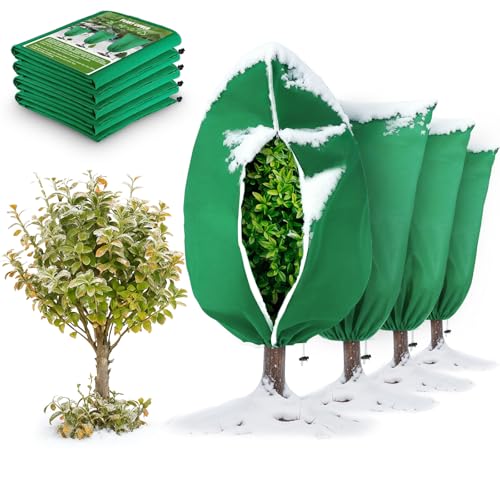
Best for: Mixed-plant gardens that require coverage across different plant heights and widths. The 6-pack includes three sizes to accommodate small potted plants, mid-sized bushes, and taller shrubs, all with drawstrings for a secure fit.
Why selected: Clebay’s set focuses on versatility and ease of use, enabling quick adjustments as plants grow or weather changes. The built-in drawstrings help ensure covers stay put during storms and high winds.
Limitation: When using multiple sizes, ensure correct pairing to avoid gaps at the base that might allow cold air or pests to reach the plant soil surface.
MAQIHAN Plant Cover: Flexible Row Shield
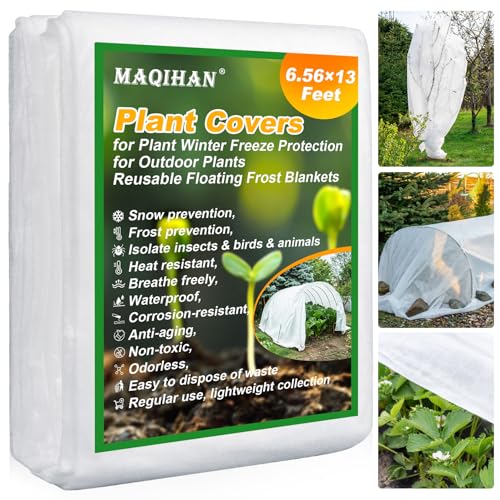
Best for: Gardeners needing a flexible, reusable frost cloth that can be cut to fit various plant shapes. The 1 oz/sq non-woven fabric balances durability with breathability for healthier winter growth.
Why selected: MAQIHAN emphasizes adaptability, allowing users to tailor the blanket by cutting to size and using hoops or frames for a custom fit. This is helpful for irregularly shaped beds or odd-sized trees.
Caution: Cutting the fabric may reduce its insulating performance if not done carefully. Plan cut lines to preserve coverage around critical plant parts.
Buying Guide: Frost Protection For Trees
- Material and breathability: Choose non-woven fabrics that insulate yet allow light, air, and moisture to reach the plant. Breathable fabrics support healthy winter dormancy and reduce mold risk.
- Size and coverage: Measure the plant height and width to ensure the cover can fully envelope the canopy and protect trunk and soil base. Larger trees may need oversized blankets or multiple layers.
- Closure system: Look for zippers and drawstrings to secure the cover, especially in windy climates. Side zippers enable quick checks without full removal.
- Durability and reuse: Reusable covers save long-term costs. Heavier fabrics withstand repeated winters but require proper storage.
- Sunlight transmission: A cover should preserve some sunlight to support photosynthesis, particularly for evergreen or early-growth plants during winter.
- Wildlife and pest protection: If nibbling or pest pressure is high, consider wraps or additional burlap trunks to prevent access to foliage.
- Installation ease: Look for clear installation features, including full-length zippers and easily adjustable drawstrings for quick setup in cold weather.
Frequently Asked Questions
- What is the best material for frost protection covers?
– Non-woven fabrics around 1.0–2.8 oz/yd² offer a balance of insulation, breathability, and durability for most home gardens. - Do I need to remove covers during sunny winter days?
– Ventilate during bright, warmer periods to prevent overheating and moisture buildup. Use zippers to open briefly for checks. - Can I use frost covers for potted plants?
– Yes, most covers are sized for various pots but ensure the canopy fully covers the pot and prevents wind from lifting it. - How long should a frost cover stay on a plant?
– Keep it in place during freezing alerts and remove when temperatures stay above freezing for several hours to avoid overheating. - Are burlap trunk wraps beneficial?
– They provide additional protection against trunk cracking and animal damage, especially on young trees. - Will covers block sunlight completely?
– Most good covers allow some light; check the product’s light transmission rating if available and avoid covering seedlings with opaque fabrics.