Question: Which fruit trees thrive in Zone 7a with warm summers and mild winters? Answer: Choose trees that tolerate heat, moderate chill hours, and easy establishment. This guide highlights five suitable choices and explains who each is best for, plus practical buying tips for Zone 7a gardeners.
Who should consider these top picks:
– Homeowners wanting low-maintenance, drought-tolerant fruit
– New orchardists building a starter backyard grove
– Gardeners seeking fruit varieties that tolerate warmer winters
– Those with space for small to mid-sized trees and easy transplanting
Summary of selected products
| Product | Best For | Why It Stands Out |
|---|---|---|
| Russian Pomegranate in 1 Gal. Pot | Low-maintenance ornamentally focused fruit | Cold-hardy, drought-tolerant, produces large red fruit early; self-pollinating |
| Apple, Plum & Pear Trees (3-Pack) | Diversified backyard orchard | Three fruit varieties in one pack; strong root systems; easy to establish |
| 6 Live Fruit Trees Bundle | Medium-sized starter orchard | Mixed varieties (apple, plum, black cherry) for multiple harvests |
| Perfect Plants Flordaking Peach | Warm-season peach production | Low chill requirement; large, flavorful peaches for Zone 7a |
| American Plant Exchange Contender Peach | Cold-hardy peach for cooler Zone 7a regions | Best for northern climates; robust fruiting in suitable zones |
Russian Pomegranate In A 1 Gal. Pot

The Russian Pomegranate is a compact, self-pollinating tree that delivers large, edible fruit with showy blooms. It tolerates warmer climates and requires relatively low maintenance. Best for gardeners who want a drought-tolerant, ornamental-fruit option that can yield mid-to-late-season pomegranates. A practical caveat: it is not suited as a houseplant and performs best outdoors in sunny zones.
Apple, Plum & Pear Trees (3-Pack) – Dwarf Fruit Trees

This 3-pack bundles apple, plum, and pear trees, delivering a quick-start diversified backyard orchard. Best for homeowners who want multiple fruit varieties without managing numerous individual plantings. The trees arrive with healthy root systems and are designed for successful establishment. A potential limitation is that growth rate and fruiting may vary by microclimate and soil conditions.
6 Live Fruit Trees – Backyard Orchard Starter Bundle

This bundle provides six live trees: two black cherry, two plum, and two apple trees. It’s best for gardeners aiming to establish a mixed-fruit landscape quickly, enabling varied harvests across the growing season. The selection supports both fresh eating and preserves. A caution: care and spacing are important to allow full size and reduce competition among saplings.
Perfect Plants Flordaking Peach Tree
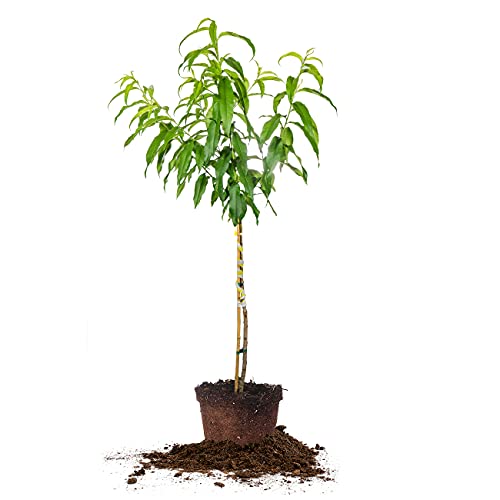
The Flordaking Peach is a warm-weather cultivar well-suited for Zone 7a’s mild winters and hot summers. It produces large, sweet peaches with a relatively low chill requirement, often ripening in late spring to early summer. Best for growers seeking an easy-to-grow peach with reliable fruiting in warmer climates. Limitations include a need for full sun and protection from late frosts in cooler microclimates.
American Plant Exchange Contender Peach Tree

The Contender Peach is a cold-hardy variety that yields juicy, yellow-fleshed peaches. It’s well-suited for home orchards in Zone 7a and zones 4–8, offering robust production and frost tolerance relative to other peach cultivars. Choose this if you live in cooler Zone 7a pockets or want a reliable, late-spring to early-summer harvest. A potential limitation: performance can vary with winter chill and late frosts in marginal microclimates.
Buying Guide: Key Considerations For Zone 7a Fruit Trees
- Chill hours vs heat tolerance: Zone 7a gardeners should balance cultivars with modest chill requirements and strong heat tolerance to maximize fruit set.
- Soil and drainage: Most fruit trees prefer well-drained soil. Amending poor soils improves root development and early establishment.
- Sun exposure: Seek full-sun positions (at least 6–8 hours daily) for consistent fruit production.
- Water management: Drought-tolerant varieties help in dry summers, but regular watering during establishment is critical.
- Spacing and root systems: Consider mature size to plan orchard layout and ensure adequate air circulation to reduce disease risk.
- Pollination needs: Some trees are self-pollinating, while others benefit from cross-pollination. For beginners, self-pollinating choices can simplify setup.
- Container vs. bare-root: In Zone 7a, container plants are great for starting, while bare-root stock often establishes quickly in ground-ready sites.
FAQ
- Q: Do Zone 7a trees require winter protection? A: In some microclimates, late frosts can occur. Choose varieties with frost tolerance and consider protective measures for young trees.
- Q: Are these trees suitable for containers? A: Some selections are listed as grow-in pots or are dwarf varieties; others perform best in the ground with space to mature.
- Q: Which tree is best for a beginner? A: Self-pollinating and dwarf varieties, like the Pomegranate and certain peach trees, are typically easier for first-time fruit tree growers.
- Q: How soon will fruit appear after planting? A: Establishment time varies by species and care; expect several months to a few years depending on variety and conditions.
- Q: Should I plant multiple varieties for pollination? A: If a tree isn’t self-fertile, pairing with a compatible cultivar can improve fruit set.
- Q: How do I manage drought-tolerant trees in hot summers? A: Water deeply during dry spells, mulch to retain moisture, and avoid over-fertilization to prevent weak growth.