If you’re searching for a lawn fungicide that targets rust and other common turf diseases, these products offer effective prevention and control. The best options suit different lawn sizes, application ease, and whether you prefer ready-to-use sprays or granular formulas. This guide highlights five top picks, who they’re best for, and why they stand out for rust control on American lawns.
| Product | Best For | Why Choose |
|---|---|---|
| Scotts DiseaseEx Lawn Fungicide | Medium to large lawns seeking fast, broad-spectrum protection | Fast-acting, begins reducing symptoms in 24 hours and covers up to 5,000 sq ft |
| BioAdvanced Fungus Control for Lawns (Ready-to-Spray) | All lawn types needing easy spray-on application | Ready-to-use and hose-end connected; protects up to 30 days against rust and other diseases |
| BioAdvanced Fungus Control for Lawns (Granules) | Residential yards requiring longer protection with granular formulation | Covers 5,000 sq ft; protects up to 30 days; broad disease control including rust |
| Bonide Infuse Systemic Disease Control | Gardens and landscapes needing systemic protection | Broad-spectrum systemic fungicide for turf and ornamentals; protects listed diseases |
| Atticus Artavia 2 SC Azoxystrobin Fungicide | Lawn and landscape areas needing strong, plant-protective fungicide | High-activity azoxystrobin with root-to-leaf protection; covers many fungi including rust |
Note: Each product list reflects commonly labeled uses for turf and ornamental plants. Follow label directions for exact application rates and safety guidance. Rust on lawns often coexists with other fungal diseases, so selecting a product with broad-spectrum activity can provide more comprehensive protection.
Scotts DiseaseEx Lawn Fungicide
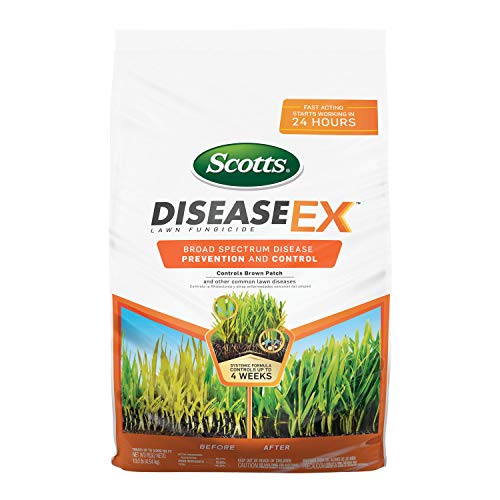
Features include fast action and broad-spectrum disease prevention and control. It targets brown patch and other common lawn diseases, with noticeable results within 24 hours. Best for homeowners managing multiple diseases on medium to large lawns. A caution: ensure even coverage to maximize effectiveness, especially in areas with uneven growth.
BioAdvanced Fungus Control for Lawns (Ready-to-Spray)

This ready-to-spray formulation is designed to curb and prevent listed lawn diseases for up to 30 days. Best for gardeners who want quick application without mixing, and for all lawn types. Caution: check compatibility with adjacent ornamental plants when spraying near borders or garden beds.
BioAdvanced Fungus Control for Lawns (Granules)

This 10 lb granule option covers about 5,000 sq ft and provides protection for up to 30 days. Best for those wanting longer-lasting residue and easy, broad disease control, including rust. Choose this if you prefer a granular format over sprays. Limitation: slower initial action than some liquid sprays, and requires watering in as directed.
Bonide Infuse Systemic Disease Control
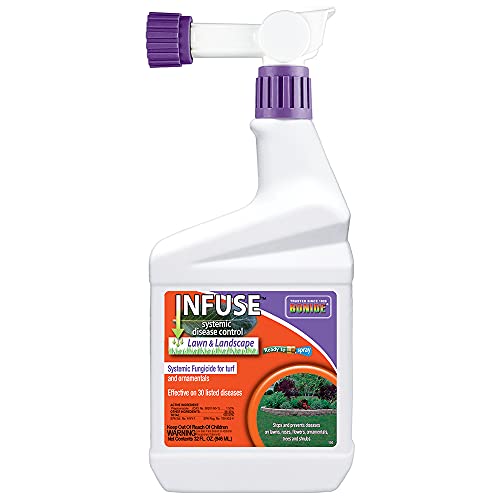
Infuse Systemic Disease Control delivers broad-spectrum protection with systemic activity to turf and ornamentals. Best for homeowners who want a product that moves within the plant for root-to-leaf protection. A caveat: label directions are essential to avoid misuse around edible crops or non-target plants.
Atticus Artavia 2 SC Azoxystrobin Fungicide

Artavia 2 SC provides root-to-leaf protection with azoxystrobin, addressing rust and many foliar and soil-borne fungi. Best for lawns and landscapes needing robust, systemic defense. Choose this if you want a product with proven plant-penetrating action. Limitation: as with systemic fungicides, follow label applications carefully to minimize resistance risk.
Buying Guide: How to Choose the Right Rust Fungicide For Your Lawn
What type of product should you pick—spray, systemic, or granules? Spray products are fast to apply and great for spot treatment, while systemic options move through the plant for longer protection. Granules offer simple, broadcast coverage and can be ideal for large yards.
How much coverage do you need? Measure your lawn to estimate square footage and select a product labeled to cover that area. For rust-prone conditions, look for broad-spectrum formulations that also tackle other common turf diseases like brown patch and red thread.
Is your lawn mix of grasses or includes ornamentals nearby? Some products are labeled specifically for lawns only; others can be used on ornamentals as well. Always check the label for site restrictions and plant safety.
How often should you treat? Most products offer protection for up to 30 days, but local climate and disease pressure can change that. Plan a treatment schedule aligned with disease forecasts and irrigation practices.
Safety and environmental concerns matter. Use protective gear as directed, avoid applying during windy conditions, and store products away from children and pets. Consider integrated disease management by combining proper mowing height, watering practices, and timely applications.
Frequently Asked Questions
- What rust diseases affect lawns the most?
Common turf rust diseases include Puccinia and Uromyces species, which cause orange or yellow pustules on blades. Rust often appears with other diseases like red thread or brown patch.
- Can I use a fungicide on a newly seeded lawn?
Most products have specific labeling that restricts use on newly seeded or recently established lawns. Always follow label directions and avoid application on sensitive seedlings unless explicitly allowed.
- How soon will I see results after applying fungicide?
Many products claim visible improvement within 24 hours for certain symptoms, but full disease suppression may take several days depending on conditions and disease pressure.
- Should I rotate fungicides to prevent resistance?
Rotating active ingredients can help minimize resistance risk. Check label guidance and consider alternating products with different active ingredients when disease pressure is high.
- Is a pre-emergent approach useful for rust prevention?
Preventive treatments combined with proper lawn care (mowing height, proper watering, and fertilization) can reduce rust incidence. Use fungicides as part of an integrated management plan rather than as a sole strategy.