For homeowners seeking effective tree fungal control, choosing a reliable spray is essential. This guide highlights five versatile fungicide sprays that work well on trees, roses, flowers, and ornamental plants. Each product is evaluated for suitability, best-use scenarios, and potential limitations to help you pick the right option for your yard.
Summary table of selected products:
| Product | Best For | Key Benefit |
|---|---|---|
| Fertilome (11380) Liquid Systemic Fungicide II RTS | General trees, roses, lawns | Systemic protection with ready-to-use bottle |
| Bonide Captain Jack’s Copper Fungicide (32 oz) | Organic gardening, broad diseases | Copper-based, approved for organic use |
| Garden Safe Fungicide 3 (32 Oz) | Organic home gardens | Three-in-one product (fungicide, insecticide, miticide) |
| BioAdvanced 3-in-1 (32 oz) | Outdoor plants, roses, trees | Combination disease, insect, and mite control |
| Spectracide Immunox (16 oz concentrate) | All-around garden care | Broad disease protection with rainproof claim |
Fertilome Liquid Systemic Fungicide II RTS

This liquid fungicide provides systemic protection against major fungal diseases on roses, flowers, lawns, and trees. It comes in a ready-to-use 32 oz spray bottle for quick and easy application. Best for homeowners who want a simple, ready-to-use solution that covers a broad range of diseases.
Who this is best for: homeowners seeking a straightforward, ready-to-use spray with systemic action to protect tree canopies and ornamental plantings. Why selected: it offers practical coverage for common diseases and is easy to apply in one step. Caution: follow label directions to avoid applying during restricted periods or to stressed trees.
Bonide Captain Jack’s Copper Fungicide (32 oz Ready-to-Use)

This copper-based fungicide is approved for organic gardening and can be used up until harvest. It helps control a broad range of diseases, including blight and powdery mildew, on trees and ornamentals. Best for: organic-focused gardens and when you need an all-natural approach to disease management.
Who this is best for: organic gardeners seeking a copper-based option. Why selected: widely used in organic programs and effective against a variety of diseases. Caution: copper products can accumulate in the soil with repeated use; rotate with other modes of action to reduce resistance risk.
Garden Safe Fungicide 3 (32 Oz)

Garden Safe Fungicide 3 is a versatile product designed for organic gardening. It targets fungi on roses, flowers, houseplants, and ornamental trees and shrubs, and also acts as a miticide and insecticide. Best for: households seeking an all-in-one product to prevent fungal attacks while also providing insect and mite control. Limitation: may require more frequent applications in wet climates for lasting protection.
BioAdvanced 3-in-1 Insect, Disease, and Plant Mite Control
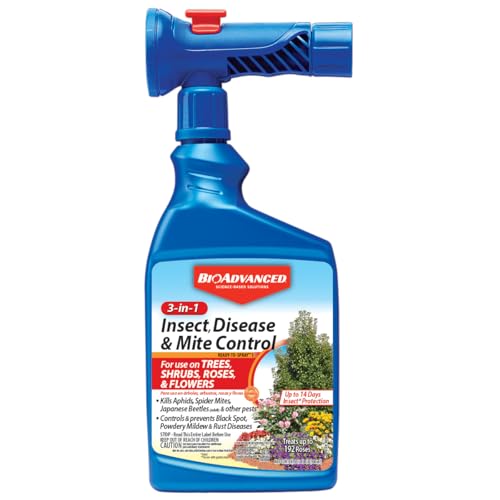
This ready-to-spray formula provides three protections in one: disease control for black spot and powdery mildew, plus insect and mite management. Best for: outdoor trees and shrubs where multiple pests and diseases are a concern. Choose this if you want a single product addressing both pests and fungal diseases. Caution: ensure compatibility with nearby ornamentals and follow label directions for flowering plants.
Spectracide Immunox Multi-Purpose Fungicide Spray Concentrate

Immunox offers a multi-purpose fungicide approach designed to protect against major diseases on roses, flowers, and ornamentals. The concentrate can be used in gardens and landscapes to help manage infections that threaten tree health. Best for: gardeners who want a durable, rain-resistant solution after application. Limitation: concentrate requires proper mixing and regular reapplication according to label for ongoing protection.
Buying Guide: Key Considerations For Fungus Sprays On Trees
- Active ingredients and suitability: Choose a product whose active ingredient targets the fungal diseases common to your climate and tree species. Systemic options offer longer-lasting protection in some cases, while copper-based and contact fungicides provide surface-level control.
- Organic vs. conventional: If you prefer organic gardening, copper-based products or formulations labeled for organic use are appropriate. Review local regulations and organic standards when selecting.
- Block vs. broad-spectrum: Some sprays protect against multiple issues (fungus, insects, mites), while others focus strictly on fungal diseases. Consider your broader pest management goals when choosing.
- Application method: Ready-to-use bottles are convenient for quick applications, while concentrates may require mixing. Ensure you have appropriate spray equipment and follow safety instructions for tree canopies.
- Plant safety and rotation: Rotate active ingredients to reduce resistance risk for fungal pathogens. Pay attention to plant safety, especially for sensitive ornamentals or during bloom.
- Climate considerations: Rainfall and humidity can influence efficacy. Some products advertise rainproof protection, while others require reapplication after rain or irrigation.
FAQ: Fungus Sprays For Trees
- Q: Which fungicide is best for trees with powdery mildew? A: Copper-based fungicides and systemic options labeled for powdery mildew are commonly effective; consider combining with preventive spray schedules.
- Q: Are organic fungicides safe for fruit trees? A: Yes, many organic copper-based and plant-safe formulations are suitable for fruit trees, but always follow label directions and harvest intervals.
- Q: How often should I spray for tree diseases? A: It depends on the product, disease pressure, and climate. Follow label instructions; some products require regular intervals during high-risk periods.
- Q: Can these sprays harm beneficial insects? A: Some formulations may affect non-target insects; apply during low-activity periods and follow label precautions to minimize impact.
- Q: Should I combine multiple products? A: Generally, avoid mixing products unless the labels explicitly permit it. Use one product at a time and monitor tree response.
- Q: When is the best time to treat trees for fungal diseases? A: Treat during early signs of disease or as a preventive measure at the start of a high-risk season, following product-specific guidelines.