Finding the right garden blanket protects tender plants from frost, wind, and harsh weather while preserving light and air flow. This guide highlights five top picks suited for different garden sizes and plant types—from seedlings to established beds. Best for: small-yard gardeners needing compact coverage, larger-scale veggie patches, and raised beds. Each option balances warmth, breathability, and ease of use to help you extend your growing season with confidence.
Summary of selected products:
| Product | Best For | Notes |
|---|---|---|
| AlpineReach 10×30 | Small to medium beds, delicate seedlings | Breathable, all-season protection |
| MAQIHAN 6.5×13 | Versatile coverage for raised beds | Multi-use, customizable fit |
| JUNKOGO 7×100 | Long, wide rows and perimeters | Lightweight and reusable |
| AlpineReach 10×50 | Large beds and multiple plants | Extended width, strong protection |
| SUNPRO 10×30 | Raised beds, vegetable patches | Balanced warmth and light |
AlpineReach Frost & Sun Plant Cover 10×30 ft

Best for small to medium beds with delicate seedlings. This 10×30 ft frost cover provides all-season protection, shielding against frost, freezing temperatures, snow, and winds. It creates a warmer microclimate for healthier early growth and faster germination while remaining breathable for light, air, and water to reach plant roots. Choose this when you need a reliable, economical cover for seasonal transitions and young transplants. Caution: slightly smaller footprint may require repositioning for very wide beds.
MAQIHAN Plant Cover 6.5×13 ft
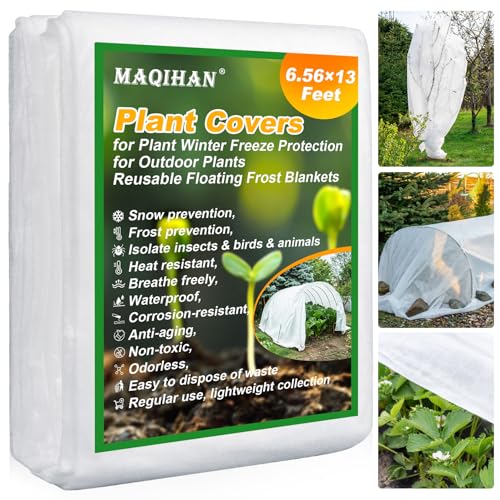
Best for versatile raised-bed setups and flexible sizing. The MAQIHAN cover uses a 1 oz/sq ft non-woven fabric that insulates while allowing sunlight, air, and water through. It’s usable with hoops or frames and can be cut to fit. This is ideal when you need a reusable, adaptable option for frost, snow, or sun-shielding across irregular or multiple plots. Limitation: may require manual securing in windy areas.
JUNKOGO Plant Freeze Protection Cover 7×100 ft

Best for long, wide rows and perimeter protection. The 7×100 ft frost cloth uses lightweight, breathable non-woven fabric to shield against frost, wind, and cold while letting air and moisture reach roots. It’s reusable and easy to cut to fit irregular shapes or seedlings. Choose this when you need extended coverage around larger plantings. Caution: length may require extra stakes or supports to prevent billowing in gusts.
AlpineReach Frost & Sun Cover 10×50 ft

Best for large beds or multi-plant configurations. The 10×50 ft size provides extended warmth across a broad area, creating a microclimate to reduce frost damage and support early germination. It balances light transmission with protective insulation, making it suitable for seasoned gardeners with bigger plots who want fewer setup steps in a single cover. Limitation: handling a larger sheet may require more anchors in windy environments.
Plant Covers Freeze Protection SUNPRO 10×30
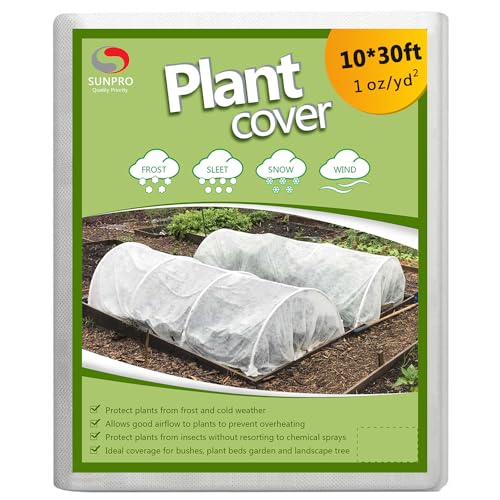
Best for raised beds and mid-sized veggie patches. The SUNPRO cover offers 1.0 oz/yd² non-woven fabric with 24°F to 28°F protection, plus 70-85% light transmission. It’s designed to extend the growing season while enabling photosynthesis and airflow. This option is ideal when you want dependable frost protection that still supports robust plant growth. Caution: lighter weight fabric may be less protective in extreme conditions without secure anchoring.
YTJ Rectangular Plant Cover with Insulated Liner

Best for raised beds and rectangular planters seeking enhanced warmth. The YTJ cover pairs a thick outer non-woven fabric with an inner insulated reflective liner to improve heat retention during cold spells. It includes an adjustable elastic drawstring for quick setup. Choose this when you need stronger freeze protection for winter crops and late-season transplants. Limitation: more complex setup than single-layer covers.
Buying Guide: Key Considerations For Choosing Garden Blankets
- Bed size and shape: Match the cover footprint to your beds; oversized blankets may waste material, while undersized options expose roots.
- Material and weight: Lighter fabrics preserve light and air but may offer less protection; heavier, insulated layers improve warmth but reduce light transmission.
- Light transmission: Ensure enough light for photosynthesis; aim for 70-85% transmission with breathable fabrics where possible.
- Ventilation and moisture: Breathable fabrics prevent fungal issues and ensure roots receive water and air; check if the fabric permits moisture to pass.
- Durability and reuse: Reusable options save money over time; look for stitching, seams, and fastening options that stand up to repeated use.
- Wind resistance and anchoring: Consider included drawstrings, stakes, or hoops; larger covers may need more anchors to prevent wind damage.
- Seasonal protection level: Some blankets target frost only, others provide year-round sun and wind protection; choose based on your climate and growing calendar.
Frequently Asked Questions
- What temperature protection do garden blankets offer? They vary; many provide protection down to roughly 24–28°F, depending on fabric and liner.
- Can I cut blankets to fit irregular beds? Yes; many covers are designed to be cut or trimmed for precise fit.
- Are these blankets reusable? Most are; durability depends on fabric quality and maintenance.
- Do they affect plant growth? Breathable fabrics allow light and air, supporting growth while protecting from cold.
- How do I secure large blankets in wind? Use stakes, hoops, or weights along the edges; drawstrings help keep the cover in place.
- When should I remove covers? Remove when temperatures consistently rise or before direct afternoon heat becomes excessive, to prevent overheating.