Direct answer: Choose lightweight, UV-stable garden netting or raised-bed liners that balance pest protection with airflow and drainage. The top picks below are best for different needs, from ultra-fine mesh for vegetable rows to durable liners for soil containment. This guide helps buyers select by pest type, climate, and bed size. The featured products suit homeowners, small-scale urban gardeners, and seasoned planters seeking simple, durable protection without hindering watering or sunlight.
Quick comparison table
| Product | |||
|---|---|---|---|
| Garden Netting Pest Barrier: 4’x10′ | Fine mesh netting | General veggie beds, indoor use | Strong UV-stable HDPE, wide pest protection |
| LGJIAOJIAO 3ftx50ft Weed Barrier | Weed barrier fabric | Weed suppression, bed underlayment | High tensile strength, allows water/nutrients |
| FEED GARDEN 8x10FT Netting | Ultra-fine mesh netting | Vegetables and fruits with light exposure | 0.7×0.8 mm mesh; durable PE material |
| EcoBrisa Raised Bed Liner 63×114 in | Non-woven fabric liner | Soil containment; drainage and weed block | Customizable fit; easy installation |
| YNERHAI 10x50FT Garden Mesh Netting | Ultra-fine garden netting | Fruit trees, vegetables, berries | 60-mesh-per-inch density; lightweight |
Garden Netting Pest Barrier: 4’x10′ Fine Bug Netting
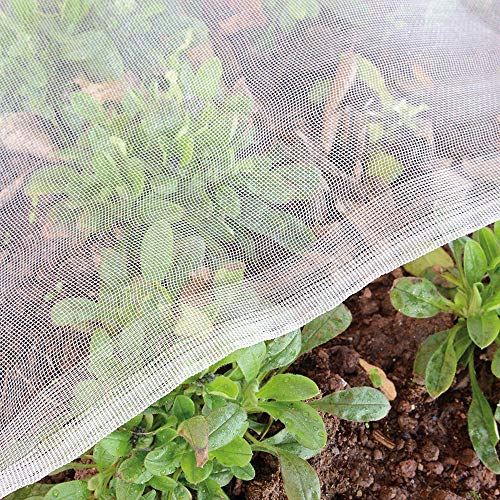
Best for: Small to medium raised beds that require broad pest protection. This 4’x10′ netting is a versatile barrier against cicadas, aphids, carrot fly, and other insects, while remaining safe for plants under UV exposure. The HDPE material is light, durable, and UV-resistant, with a tight selvedge to prevent unraveling.
Why selected: It balances coverage with breathability, enabling sunlight, air, and water to reach plants without removing the cover during watering. It also functions indoors or on windows for hallway or greenhouse use. A potential limitation is its size may require shifting for very large beds.
Cautions: Ensure edges are secured to avoid wind displacement; avoid overly heavy coverage if venting is needed in hot climates.
LGJIAOJIAO Weed Barrier Landscape Fabric
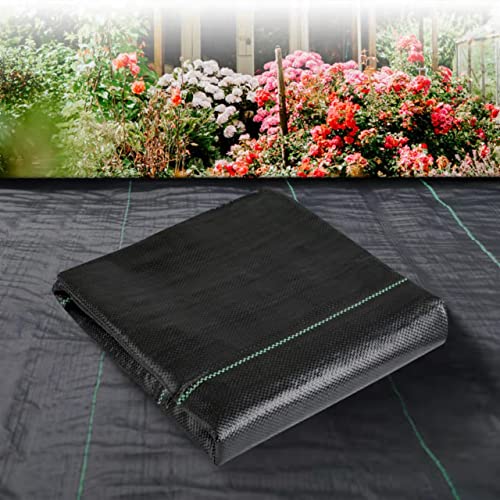
Best for: Garden beds where weed suppression is a priority and soil nutrients must reach plant roots. This heavy-duty weed barrier fabric provides strong protection against weeds while allowing water and nutrients to pass through.
Why selected: The fabric emphasizes durability and long-term weed control, with high tensile strength and tear resistance. It’s suitable for areas with foot traffic or occasional vehicle movement near raised beds. Caution: It may require trimming for perfect bed fit and can slightly impede root-zone temperature if not evaluated for climate.
FEED GARDEN Ultra-Fine Mesh Netting

Best for: Veggies, fruits, and flowers that require strong pest protection without blocking light. Its 0.7×0.8 mm mesh blocks birds and small animals while keeping sunlight, rain, and airflow available for healthy plant growth.
Why selected: The mesh design supports irrigation without removal, simplifying ongoing care. Caution: Mesh density is fine; ensure it remains taut to avoid gaps that pests could exploit.
EcoBrisa Raised Bed Liner

Best for: Large or deep raised beds where soil containment and drainage are critical. This liner helps prevent erosion and weed intrusion while allowing excess water to escape, reducing root rot risk.
Why selected: The liner’s two-size option and cut-to-fit capability make it versatile for various bed dimensions. Caution: Installation requires flattening and securing the edges to prevent shifting when soil is added.
YNERHAI Garden Mesh Netting

Best for: Fruit trees, berry bushes, and perennial garden zones needing lightweight, durable protection. The 10×50 ft roll provides long coverage with a high mesh density for deterrence of pests.
Why selected: It’s a flexible, semi-permanent option for larger landscape setups. Caution: Very large size may require planning for storage and securing long edges in windy environments.
FARAER Garden Netting 10x33Ft
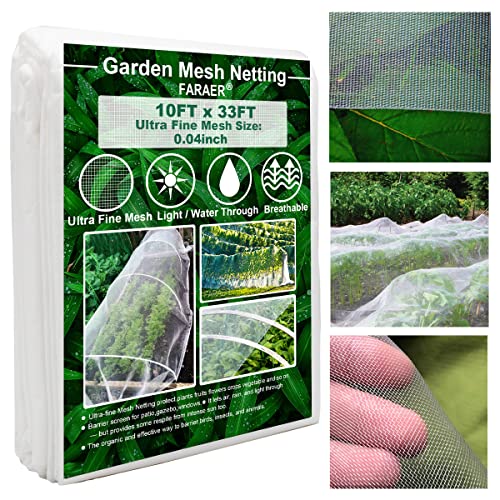
Best for: Broad coverage for vegetables, fruits, and flowering crops that benefit from a protective barrier while preserving light and airflow.
Why selected: Its ultra-fine mesh (0.8mm x 1mm) protects against a wide range of pests without obstructing irrigation. Caution: May be more challenging to manage on very windy sites due to large surface area.
Jevrench Garden Netting (4ft x 25ft)

Best for: Garden plots seeking a robust barrier against pests while preserving soil and plant health. The 4×25 ft size provides substantial coverage for mid-to-large beds.
Why selected: The 0.8×1 mm ultra-fine mesh and strong PE material offer durability and reusability for several seasons. Caution: Ensure proper edge securing to avoid gaps near frame corners.
Longzhuo Raised Bed Liner
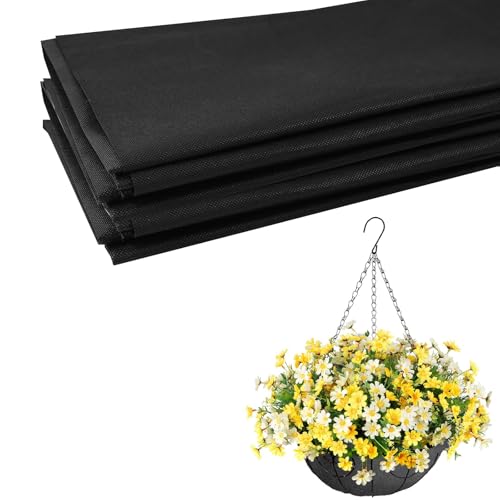
Best for: Winter greenhouse gardening or covered patios where soil containment and drainage are crucial for cold-season crops. The 63″ x 114″ liner fits many standard raised beds and trays.
Why selected: Combines durability with cut-to-fit flexibility, helping gardeners manage winter plantings and soil retention. Caution: May require trimming for non-standard bed shapes; ensure secure edge anchoring to prevent shifting during use.
Buying Guide
What to consider when choosing garden cloth for raised beds
- Pest type and coverage: For insect and animal exclusion, ultra-fine mesh works best; for weed control, a heavy-duty weed barrier may suit long-term bed maintenance.
- Bed size and shape: Measure bed dimensions and consider cut-to-fit liners or wide nets for ease of installation and fit.
- Water, light, and airflow: Ensure the material allows adequate irrigation and sunlight; avoid covers that block critical resources unless you’re managing shade-loving crops.
- Durability and climate: UV resistance and tear strength matter in sunny or windy climates; consider materials designed for long-term exposure.
- Install and maintenance: Look for products with secure edges, easy-to-clean surfaces, and reusability across seasons.
FAQ
- What is the best material for raised-bed netting? A: UV-stable HDPE or PE fabrics are common for durability, lightness, and resistance to tearing.
- Do I need to remove netting to water plants? A: Many meshes are designed to allow water through; choose a netting with adequate porosity.
- How do I size a bed liner accurately? A: Measure length and width, then add a small margin for overlaps; cut to fit your planter shape.
- Can netting protect against birds? A: Yes, fine-mesh netting is particularly effective at deterring smaller birds while letting sunlight through.
- Are these products reusable? A: Most options shown are designed for multiple seasons with proper storage and care.
- When should I replace bed liners or nets? A: Replace if the material becomes torn, faded, or no longer provides adequate coverage.