If you’re growing vegetables in containers, raised beds, or planters, the right design improves soil, drainage, and root health. This guide spotlights five strong options, explaining who each is best for and why. It’s ideal for urban gardeners, suburban planters, and anyone seeking easier maintenance, better aeration, and durable builds for seasons of use. A quick summary table below compares the five picks to help you decide at a glance.
| Product | |||
|---|---|---|---|
| Jorvila 5 Pack 5 Gallon Grow Bags | Fabric Grow Bags | Small spaces, root health | Self-air pruning and easy storage |
| Gardzen 10-Pack 5 Gallon Grow Bags | Fabric Grow Bags | Value and portability | Thickened 300G fabric with strong handles |
| Land Guard Galvanized Raised Garden Bed Kit | Galvanized Metal Bed | Durable, long-lasting outdoor beds | Anti-corrosion galvanized steel with easy assembly |
| zizin 2 Pack Galvanized Raised Garden Bed | Galvanized Metal Beds | Spacious, durable planters | Multi-corrugated steel with anti-corrosion finish |
| Tegarbed Galvanized Raised Garden Bed Outdoor (2 Pack) | Galvanized Metal Beds | Strong frame, open-bottom drainage | 1mm steel, quick assembly |
Jorvila 5 Pack 5 Gallon Grow Bags

Best for space-conscious gardeners who want healthy root development and reuse. Made from 300G thickened nonwoven fabric, these bags are wear-resistant and washable. They facilitate self-air pruning to promote robust root structure and prevent circling roots. Excellent drainage reduces overwatering risk, with warmth in winter and coolness in summer. Best for tomatoes, potatoes, and mixed vegetables in small spaces. A potential limitation is the need for proper drying and storage between seasons.
Gardzen 10-Pack 5 Gallon Grow Bags

Best for bulk growers seeking flexible, portable containers. The Gardzen bags use 300G thickened fabric for durable performance and breathable structure. They support air pruning to prevent root circling and promote vigorous root balls. Heavy-duty handles and reinforced stitching help with frequent moves. Choose this if you need multiple containers for a terrace garden or balcony. A limit to note is that fabric bags require mindful handling to avoid tearing when heavily loaded.
Land Guard Galvanized Raised Garden Bed Kit
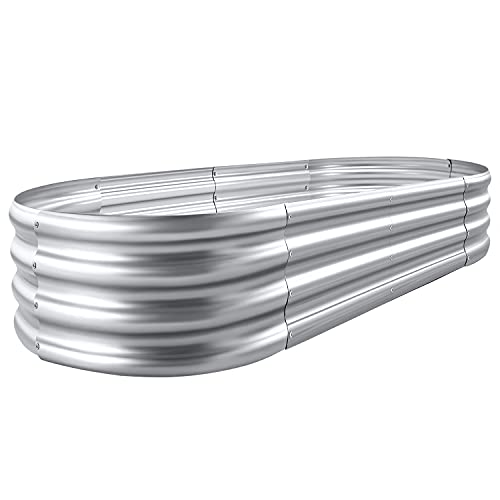
Best for long-lasting outdoor installations. The oval, 4×2×1 ft bed uses Q195 galvanized metal with double-layer anti-corrosion galvanizing. It offers a sturdy structure with an aesthetic appeal and the potential for years of use. Easy assembly takes minutes, making it suitable for gardeners who want quick setup. Limitation: metal beds can heat soil faster in hot climates, which may require shading or mulching.
zizin 2 Pack Galvanized Raised Garden Bed

Best for expanding garden space with a durable, weather-resistant design. The 6x3x1FT beds come in a two-pack, featuring a multi-corrugated metal sheet and a galvanized anti-corrosion finish for longevity. Easy assembly with included hardware and instructions makes it suitable for beginners and seasoned gardeners alike. Consider space constraints, as larger beds demand more yard or patio room.
Tegarbed Galvanized Raised Garden Bed Outdoor (2 Pack)

Best for a sturdy, open-bottom option that provides natural drainage. The 1mm steel frame is described as heavy-duty, offering flat stability for several bags of soil. The open-bottom design helps roots reach native soil nutrients and promotes healthy drainage. Choose this if you want deep soil access without a liner. Limitation: open-bottom beds may require placement on level ground to prevent soil loss and ensure even support.
Buying Guide: Choosing The Right Garden Container
What’s the best container type for vegetables?
Fabric grow bags excel for root health and air pruning, and they’re portable for decks or balconies. Galvanized raised beds offer durability and a “set it and forget it” approach for longer seasons. Plastic or composite options can be lighter and easier to move but may not offer the same durability or drainage as metal or fabric options.
How important is drainage and aeration?
Drainage prevents waterlogged soil and root rot. Aeration helps avoid root circling and promotes healthier root systems. Look for containers with breathable fabric or open-bottom designs when possible, or ensure a proper drainage plan for metal beds.
What about assembly and space?
Raised beds that assemble quickly save time, especially for urban gardeners. Measure your available space and consider bed dimensions and access for filling soil and harvesting crops. If you have limited mobility, choose lighter options with easy-to-use handles.
Durability and weather resistance
Metal beds are highly durable, but they can heat soil more quickly in hot climates. Fabric grow bags are lightweight and reusable but require careful storage in off-season. Choose based on climate, maintenance preferences, and the length of use you expect.
Best for different vegetables
- Tomatoes and peppers: fabric grow bags or deeper raised beds with proper sun exposure.
- Potatoes and root crops: open-bottom or deep fabric bags can help with harvest access.
- Leafy greens: shallower raised beds with good drainage and partial shade during peak heat.
Frequently Asked Questions
- What container is best for beginner vegetable gardeners? – Fabric grow bags or simple galvanized beds are solid starting points, offering good drainage and easy setup.
- Can galvanized beds be used on a patio? – Yes, they can, but ensure a level surface and consider heat effects on soil.
- Do fabric grow bags last long? – With proper care and drying between seasons, thickened nonwoven bags can be reused for multiple cycles.
- How many bags should I start with for a small balcony garden? – Start with 4–6 5-gallon bags for a modest variety of vegetables and adjust based on space.
- Are raised beds better than pots for vegetables? – Raised beds provide more soil volume and stable drainage, while pots offer portability and flexibility for tight spaces.
- Is open-bottom better than closed-bottom for drainage? – Open-bottom designs improve drainage and root access but require stable placement on ground; closed bottoms tolerate more surface variation.