Answering your search for effective garden covers, this guide highlights five top options for protecting plants from pests, birds, and harsh weather. Each product suits different growing setups—from raised beds to potted plants and in-ground plots. Choose based on coverage area, durability, and how easy they are to deploy. The table below compares the selected options at a glance to aid quick decisions for different garden needs.
| Product | Best For | Key Benefit |
|---|---|---|
| Garden Netting Pest Barrier | Vegetable beds and fruit trees | Wide pest protection, UV-stable HDPE |
| 2 Pcs Pop Up Insect Barrier | Small to medium plantings | Pop-up convenience, easy storage |
| Jevrench Ultra Fine Garden Netting | Large garden rows | Ultra-fine mesh, durable |
| ANGAR Raised Beds Garden Covers | Raised bed gardening | Two-pack, breathable, easy access |
| Sawysine Mesh Plant Covers | Container and small plots | Foldable dome design, lightweight |
Garden Netting Pest Barrier: 4’x10′ Fine Bug Netting
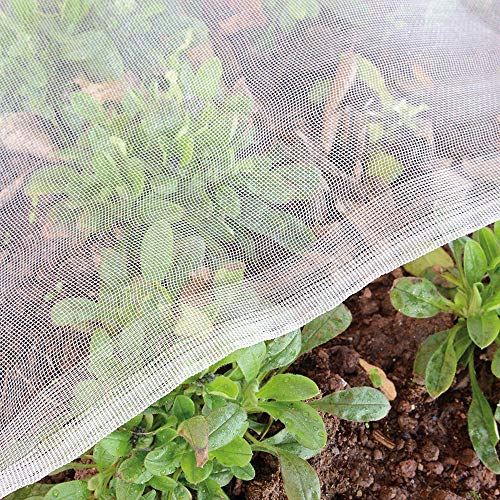
Best for a wide pest barrier on raised beds or small plots. This 4’x10′ HDPE netting protects vegetables, fruits, and flowers from cicadas, aphids, and similar pests while remaining light enough for plant growth. It’s UV-resistant and features a tight selvedge to prevent unraveling. Use this when you need a durable, reusable barrier without sacrificing airflow.
Who it’s best for: Gardeners seeking a robust, all-purpose netting solution for multiple crops, including vegetables and fruiting plants. Why selected: Large coverage area and high-quality material make it suitable for extended seasons. Caution: Ensure the netting is secured at the edges to prevent pests from squeezing underneath.
2 Pcs Pop Up Insect Barrier Plant Cover Tent

Best for small plantings and those who want quick setup. The 22 x 22 x 22 inch pop-up insect barriers provide a closed space that still allows light and moisture to reach plants. Comes with stakes for ground fixation and folds compactly for storage. Use when you need portable protection for DIY plots or balcony gardens.
Who it’s best for: Home gardeners with limited space or those who move plants seasonally. Why selected: Pop-up design offers effortless deployment. Caution: Size limits taller plants; may not fit fully grown specimens.
Jevrench Durable Ultra Fine Garden Netting

Best for protecting larger garden rows with a fine mesh. This 4 ft by 25 ft netting provides comprehensive coverage against birds and pests while maintaining high visibility and airflow. It’s designed to be reusable, with durability suitable for several seasons when properly cared for. This makes it a solid choice for vegetable plots and small orchards.
Who it’s best for: Gardeners needing long-running protection across larger planting areas. Why selected: Extra-long roll reduces seams and gaps. Caution: The 0.8 mm x 1 mm mesh, while fine, may require precise installation to avoid pests slipping through edges.
ANGAR 2Pack Garden Covers for Raised Beds

Best for raised-bed gardeners who want heavy-duty yet breathable protection. The two covers measure 45 inches by 22 inches by 16 inches and come with stakes. These raised-bed covers help shield seedlings from late cold snaps while allowing ventilation and light. They’re easy to install with zippers on the sides and are designed to stay fixed in windy conditions.
Who it’s best for: Growers using raised beds who need protective yet accessible covers. Why selected: Durable PVC mesh with reinforced sides helps block cold air while keeping plants visible. Caution: Transparent material aids monitoring but can slightly heat during peak sun if not vented properly.
Sawysine Mesh Plant Cover Reusable Dome

Best for small garden zones and container setups. The Sawysine 4-pack features round dome covers, 17 by 17 inches, designed to protect plants from birds and small pests while providing breathability and space for growth. They’re collapsible for storage and quick to deploy over potted plants or small beds.
Who it’s best for: Gardeners with limited space or those needing portable protection for multiple containers. Why selected: Pack size and dome design offer flexibility and easy maintenance. Caution: Dome height may limit protection for taller seedlings or leafy crops.
Buying Guide
What to consider when choosing garden covers:
- Coverage area: Match the netting size to your bed, row, or container footprint. Larger plots may require longer rolls or multiple panels.
- Mesh size: Ultra-fine meshes block smaller pests but may reduce airflow. Balance pest protection with sufficient light and air.
- Material durability: Look for UV-stable HDPE or reinforced PVC for longevity in sun exposure and weather.
- Ventilation and accessibility: Choose designs with side zippers, folds, or pop-up capabilities to maintain airflow and ease of care.
- Ease of use and storage: Pop-up or foldable options save space during off-season storage and simplify deployment.
- Installation: Ground stakes, straps, or clips help secure covers against wind. Confirm compatibility with raised beds or existing structures.
- Reusability: Durable materials and sturdy seams extend the life across growing seasons, improving value.
FAQ
- Q: Which garden cover is best for raised beds? A: ANGAR 2Pack Garden Covers are designed for raised beds with sturdy mesh and zippers for easy use.
- Q: Do I need an ultra-fine mesh for birds? A: For smaller birds and insects, ultra-fine mesh like 0.8 mm x 1 mm helps reduce entry points while preserving light and air.
- Q: Are pop-up covers easy to store? A: Yes. Pop-up designs fold flat and include stakes or bags for compact storage.
- Q: Can covers affect plant growth? A: Most garden covers are breathable and UV-stable, allowing light, air, and water to reach plants when properly installed.
- Q: How long can I reuse these covers? A: With proper care and cleaning, durable materials like HDPE and reinforced mesh can last multiple growing seasons.
- Q: Do covers protect against all pests? A: They provide strong protection against many insects and birds, but some larger pests may require additional measures or physical barriers.