If you’re shopping for gauge wheels for a cultivator, you want gear that improves soil depth consistency, reduces operator fatigue, and fits your equipment. This guide highlights five reliable options, detailing who they’re best for and why they stand out. It’s ideal for home gardeners, small-farm owners, and DIY landscapers seeking durable, easy-to-use gauge wheel upgrades. Below is a quick comparison to help you decide at a glance.
| Product | Best For | Key Benefit |
|---|---|---|
| All States Gauge Wheel Tire (John Deere/International/White compatibility) | Users replacing worn gauge wheels on multiple tractors | Wide compatibility saves inventory |
| Garden Trax High Wheel Cultivator | Gardeners needing quick-change implements | All-steel durability with adjustable options |
| Walensee 2-in-1 Wheel Hoe Cultivator | Small to mid-size vegetable plots | 2-in-1 tool with interchangeable attachments |
| EarthWay 6500 High Wheel Tubular Cultivator | Rough soil and heavy-duty use | Three implements, all-steel construction |
| Varomorus High Wheel Cultivator | Versatile, modular garden tools | Self-cleaning, wide compatibility |
All States Gauge Wheel Tire Fits Various Brands

Best for: Buyers who need a versatile gauge wheel compatible with multiple brands including John Deere, International, and White. This wheel is designed to replace worn gauge components across several cultivators, reducing the need for multiple spare parts. The broad compatibility helps maintain consistent cultivation depth across different implements.
Why selected: It covers a wide range of models, making it a practical, low-friction option for households with diverse equipment. Use this when you own more than one cultivator or plan to switch wheels between machines.
Limitation: Compatibility varies by model specifics; double-check your implement’s hub size and axle configuration before ordering.
Garden Trax High Wheel Cultivator

Best for: Gardeners seeking a robust, all-steel build with quick-change capabilities. This model is well-suited for frequent tool changes and heavy use in plots that require different cultivator attachments.
Why selected: The combination of three implements and a durable frame makes it a strong choice for those who perform multiple tasks (cultivating, weeding, and edging) with one tool system.
Caution: The quick-change system relies on a single bolt mechanism; ensure it’s tightened properly to maintain attachment stability during use.
Walensee 2-in-1 Manual Wheel Hoe Cultivator
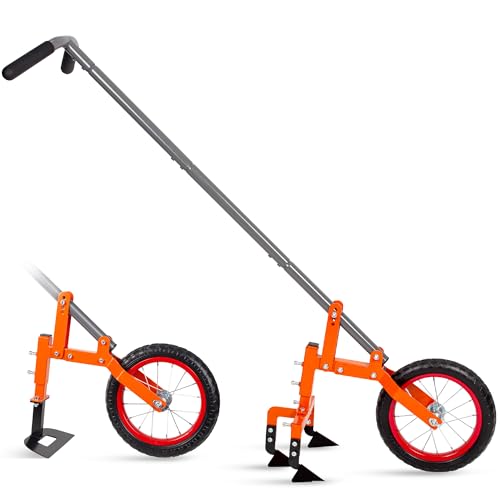
Best for: Home vegetable gardens and smaller beds where space is limited. The 2-in-1 design reduces tool clutter by combining soil loosening and weed control functions.
Why selected: The wheel-assisted design minimizes pushing effort, allowing longer use with less fatigue. The adjustable handle height supports comfortable posture for gardeners of different statures.
Limitation: May be less suitable for very heavy, clay soils where deeper tillage is required.
EarthWay 6500 High Wheel Cultivator

Best for: Gardeners dealing with tough soil or larger plots who need a sturdy, long-lasting tool. The tubular steel frame and three implement options support a range of tasks from cultivating to aerating.
Why selected: All-steel construction offers durability for frequent seasonal use. The modular design supports changing implements as tasks vary throughout the season.
Caution: Heavy builds can be challenging to maneuver in tight spaces; ensure adequate storage space and a comfortable working area before purchase.
Varomorus High Wheel Cultivator

Best for: Gardeners seeking a versatile, modular garden tool with a self-cleaning wheel design. It fits a broad range of attachments and supports easy weed removal and soil preparation.
Why selected: The modular toolbar and compatibility with various attachments make it a flexible add-on for expanding your toolkit. Self-cleaning features help reduce maintenance during long sessions.
Limitation: Availability of compatible attachments can vary; verify which accessories are compatible with your current toolset before buying.
Buying Guide
What should you consider when choosing gauge wheels for a cultivator?
- Compatibility: Check hub size, axle type, and compatible brands or models to ensure proper fit and operation.
- Durability: Look for all-steel or heavy-duty frames if you expect frequent use or challenging soil conditions.
- Ease of attachment: Quick-change or modular designs save time when switching tasks or implements.
- Maintenance: Self-cleaning features and straightforward assembly reduce ongoing upkeep.
- Terrain suitability: Heavier wheels can improve stability on clay soils, while lighter wheels may suffice for sandy soils.
How do you decide between options?
- Choose this if you want broad compatibility across different brands and models (All States gauge wheel).
- Choose this if you need a heavy-duty, three-implement system for year-round garden work (EarthWay 6500).
- Avoid this if your garden is very small or you require ultra-lightweight tools (some models may feel bulky).
Frequently Asked Questions
- What is a gauge wheel for a cultivator?
It is a wheel that helps control soil depth and track straight rows during cultivation. - Will gauge wheels fit all cultivators?
Not all models will fit; verify hub size, axle type, and mounting patterns before purchasing. - Are all gauge wheels interchangeable?
Some are broadly compatible, but many are model-specific or brand-specific. - Should I choose all-steel construction?
Yes if you need long-term durability in tough soil and frequent use. - Do gauge wheels affect tilling depth?
Yes, they help maintain consistent depth across passes, improving yields and soil structure.