If you’re repairing bare spots in a lawn, these products help seed, mulch, and nourish patches for faster, thicker growth. They’re best for homeowners dealing with sun, shade, or mixed conditions. The top picks below are suited for different patch sizes and climates, from small sun-drenched spots to larger shaded areas. Use the quick comparison table to choose the right option for your lawn repair project.
| Product | Best For | Approx Coverage |
|---|---|---|
| Scotts EZ Seed Patch & Repair for Sun and Shade | Small bare spots in sun or shade | Up to 85 sq. ft. |
| Scotts PatchMaster Lawn Repair Mix Sun + Shade Mix | Medium bare spots with mulch | Up to 140 sq. ft. |
| Scotts PatchMaster Lawn Repair Mix Sun and Shade Mix (10 lb) | All-in-one repair for larger areas | Up to 290 sq. ft. |
| Growtrax Biodegradable Grass Seed Mat | Quick, roll-out repair in various conditions | 50 sq. ft. |
| Scotts EZ Seed Patch & Repair Bermudagrass | Bermuda lawns with bare spots | Up to 225 sq. ft. |
Scotts EZ Seed Patch & Repair for Sun and Shade
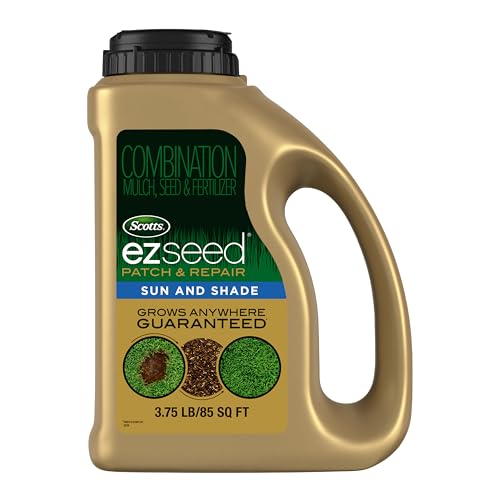
Best for small bare spots with mixed sun exposure. The seed mix combines Kentucky bluegrass, perennial ryegrass, and fine fescue to offer a versatile repair option. Included mulch and fertilizer support early establishment, while the seed germinates most quickly in typical spring and fall windows with daytime temperatures between 60°F and 80°F. Choose this if you need an all-in-one repair solution that’s easy to apply in a few steps and prefers moderate weather.
Who it’s best for: homeowners patching small areas or patches near edges where sun and shade alternate. It’s a good match for those wanting a simple, contained repair with bundled nutrients and soil protection. A potential limitation is that heavy shade or extreme heat may slow germination compared to optimal temperatures.
Scotts PatchMaster Lawn Repair Mix Sun + Shade Mix

This all-in-one bare spot repair combines mulch, seed, and lawn fertilizer. The mulch is 100% recycled and helps retain moisture, giving the seed a stable environment during establishment. It’s suitable for sun and shade, with the seed mix expected to start growing in about a week and to feed the lawn for up to six weeks. Choose this for larger patch areas that benefit from integrated moisture retention and active early growth.
Best for: medium-sized patches that need both seed and mulch in a single bag. Better for drier soils where moisture retention is a priority. Limitation: the blend is optimized for general use; very dense shade or sandy soils may require supplemental irrigation or soil amendment.
Scotts PatchMaster Lawn Repair Mix Sun and Shade Mix – 10 lb
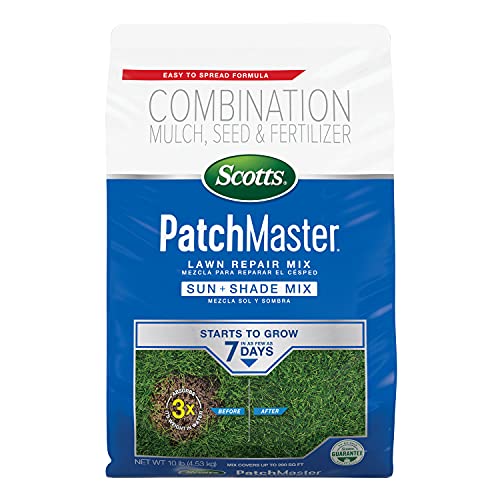
This larger bag provides an all-in-one solution for bigger bare spots. It contains a combination mulch, seed, and fertilizer designed to support fast germination and six weeks of feeding. The 100% recycled mulch helps keep seeds moist and in place during establishment. Choose this for larger repair jobs or when you want one bag to cover a substantial patch area.
Best for: bigger patches or whole-lawn touch-ups with a need for rapid growth and sustained nourishment. Limitation: heavier bag content may be less convenient for narrow or irregular patch shapes.
Growtrax Biodegradable Grass Seed Mat, Year Round Green

The Growtrax mat offers a roll-out solution with embedded seed, fertilizer, and mulch. It’s designed for quick fixes in lawns, dog patches, or shaded areas, using a biodegradable fabric that helps seeds stay in place and reduces washout. Planting is best when soil temperatures are consistently above 50°F, with a window for fall repairs. Choose this for quick, clean installations in small-to-medium patches where rolling out is preferred over loose seed application.
Best for: quick, low-mess repairs in various lawn conditions. Limitation: performance depends on even watering and wind exposure; very windy days may hinder uniform placement.
Scotts EZ Seed Patch & Repair Sun and Shade Combination Mulch
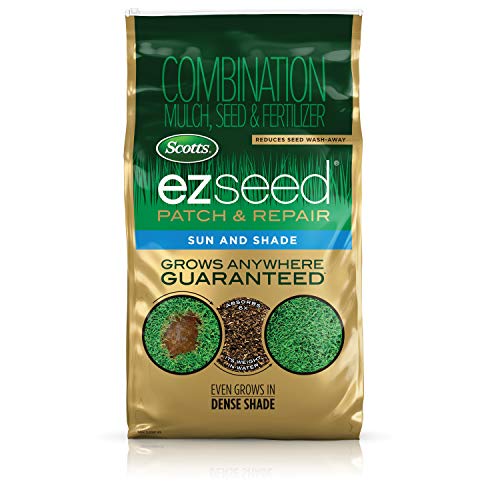
This EZ Seed variant is engineered to repair bare spots across sun and shade environments. It includes grass seed, mulch that expands around the seed, controlled release fertilizer, tackifier, and protective agents to shield seedlings. It’s advertised as versatile enough for full sun, dense shade, high-traffic areas, and slopes. Choose this when you want a dependable, all-in-one repair solution that adapts to mixed sun exposure. Limitation: the package emphasizes broad compatibility, which may require adjusting watering for very specific microclimates.
Scotts Turf Builder Grass Seed Sun and Shade Mix

This mix combines lawn seed, fertilizer, and soil improver to help seed establish with deep roots. It’s suitable for seeding or overseeding in spring or fall when temperatures align with the guide. The product emphasizes thick, green results through root-building nutrition. Best for: lawns needing a stronger root framework and resilience. Caution: some areas may require additional soil amendment for optimal seed-to-soil contact.
Pennington Bare Spot Repair Mix Central

Pennington Bare Spot Repair Mix is a dedicated seed blend for lawn repairs in bare areas. It emphasizes quick establishment and a straightforward three-step process. Best for homeowners who want a simple, fast solution to fill sparse patches without extra mulch or fertilizer in the kit. Caution: may require additional irrigation or soil prep for optimal results in very dry or compacted soils.
Buying Guide
What patch size and climate matter?
Small patches in mixed sun or shade often respond well to bundled seed-plus-mulch products. Larger patches may benefit from all-in-one blends with built-in fertilizer and moisture-retaining mulch. In hotter climates, more frequent watering improves germination; in cooler zones, aim for early spring or fall applications.
Seed type and lawn compatibility
Choose a mix that blends with your existing lawn. Kentucky bluegrass and perennial ryegrass work well for cooler regions; fescue blends tolerate shade. Bermuda grass patches suit warm-season lawns but may require specific care in transitional zones. If you’re unsure, select a sun-and-shade blend designed for broad compatibility.
Moisture management and mulch roles
Mulch in the mix helps retain moisture and stabilize seeds. Recycled or biodegradable mulch supports water absorption and reduces washout. Ensure you provide even moisture after application, particularly during germination in the first 2–4 weeks.
Time to visible growth and maintenance
Most products advertise rapid germination within about 7–14 days under ideal temperatures. After germination, feed and water according to the product’s guidance to sustain growth for 4–6 weeks. Be prepared to monitor and address patch edges as the lawn fills in.
Watering regimen and mowing timing
Keep soil consistently moist but not waterlogged during establishment. Once grass blades reach mowing height, begin regular mowing cycles, gradually increasing height to reduce stress on new seedlings. Avoid heavy foot traffic on patches during early growth.
FAQ
- When should I repair bare patches? Repair when soil temperatures and daytime temperatures align with product guidelines. Spring and fall are common windows for cool-season grasses, while summer repairs work best with cooler, shaded spots or Bermuda in warm climates.
- Do these products require extra soil preparation? Some patches benefit from light raking and loosening of the soil. Others include mulch and nutrients that minimize pre-planting prep. Follow the package instructions for best results.
- Can I overseed an existing lawn with these kits? Yes, many blends are designed for overseeding and repairing thin areas. Ensure the existing lawn is aerated and watered appropriately to support seed-to-soil contact.
- Which product works best for shade? Look for sun-and-shade blends labeled for shade tolerance. These are formulated to establish under lower light and tolerate slower growth rates.
- Is mulch essential in seed kits? Mulch helps retain moisture and protect seeds during establishment. It’s especially useful in windy or dry environments.
- How long before I see results? Visible germination can occur within about a week under ideal conditions; full thick growth often takes several weeks, depending on temperature and water.