Answering the question for homeowners seeking drought-tolerant options, these grass seeds are selected to establish and maintain a lawn that stands up to heat, low rainfall, and sporadic moisture. The best picks are suited for sunny yards, heavy sun exposure, and regions where watering is limited. Each option is evaluated for drought tolerance, growth rate, and ease of establishment, so you can choose what fits your climate and maintenance plan.
| Product | |||
|---|---|---|---|
| Pennington Kentucky 31 Tall Fescue 3 LB | Tall Fescue | Small to medium lawns needing durable, economical seed | Small plots (up to 2500 sq ft, depending on seeding rate) |
| Scotts Kentucky 31 Grass Seed Mix | Tall Fescue blend | Lawn with enhanced heat and drought tolerance | Up to 5,000 sq ft (per bag) |
| Scotts Turf Builder Grass Seed Bermudagrass with Fertilizer | Bermudagrass | Full-sun lawns needing rapid establishment | 1 lb covers limited areas; larger projects need multiple bags |
| Scotts Turf Builder Grass Seed Sun and Shade Mix | Hybrid mix for sun/shade | Lawns with variable light, drought-resistant growth | Up to 960 sq ft (2.4 lb) |
| Scotts Grass Seed Drought Tolerant Mix | Keeps drought resistance blend | Seeded or overseeded lawns needing strong drought tolerance | Up to 2,000 sq ft (4 lb) |
Note: The table provides a quick snapshot. For exact coverage and seeding rates, refer to each product’s label and instructions on the Amazon page linked in the sections below.
Pennington Kentucky 31 Tall Fescue 3 LB

Pennington Kentucky 31 Tall Fescue is a classic selection for homeowners seeking durable, economical lawn seed. This tall fescue variety forms thick blades capable of withstanding hot summers and heavy rains, contributing to a resilient lawn with less frequent maintenance. Best for smaller yards that prioritize long-lasting turf and easier care. A potential limitation is slower germination compared to fast-growth blends, especially in cooler spring temperatures.
Scotts Kentucky 31 Grass Seed Mix

This premium mix blends Tall Fescue with additional seeds to create a thicker, greener lawn. It includes a mix of premium tall fescue, annual ryegrass for quick greening, and Kentucky 31 tall fescue for durability. Best for lawns needing faster establishment and strong drought tolerance, especially in heat-prone regions. Choose this if you want a denser lawn with quicker fill-in; however, it requires careful follow-up watering during establishment.
Scotts Turf Builder Grass Seed Bermudagrass With Fertilizer
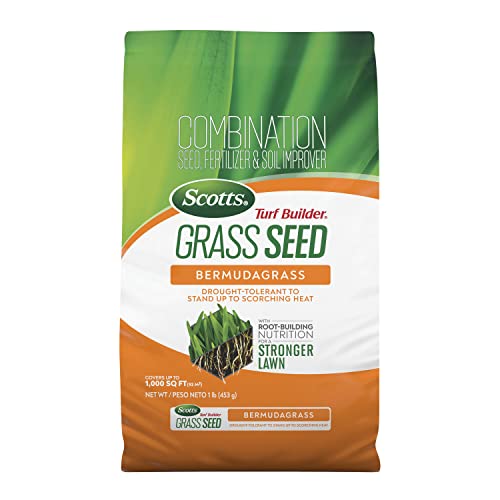
Bermudagrass is a strong choice for full-sun yards in hot, dry climates. This seed blend includes fertilizer and soil improver to help roots establish quickly and resist drought. Best for lawns with long dry spells that receive ample sun. A limitation is that Bermudagrass struggles in shade and may go dormant in cooler climates; it’s most effective in warm zones.
Scotts Turf Builder Grass Seed Sun And Shade Mix
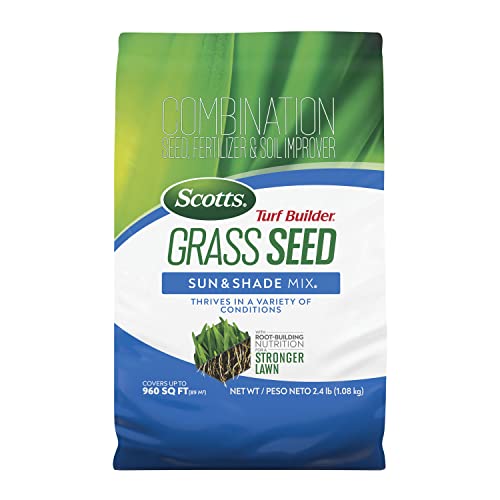
This mix is designed for lawns that face both sun and shade, with Root-Building Nutrition to promote deep root systems. It tolerates variable light and drought conditions well once established. Best for mixed-light yards and simpler maintenance. Avoid this if your yard is heavily shaded or experiences long periods of cloud cover, which may slow establishment.
Scotts Grass Seed Drought Tolerant Mix

This drought-tolerant mix combines Tall Fescue and Kentucky Bluegrass to balance quick establishment with long-term drought resistance. It’s a solid pick for lawns exposed to heat and limited irrigation, offering a robust blend that can adapt to varying soil conditions. Choose this if you want a versatile mix that can handle both sun and moderate shade with reliable drought performance. A limitation is that bluegrass elements may require more maintenance to keep color in extended heat.
Buying Guide: Key Considerations For Drought-Tolerant Lawns
- Climate suitability: Match seed types to your region’s heat and drought patterns. Tall fescue generally tolerates heat well, while Bermudagrass loves full sun.
- Sun exposure: For sunny yards, drought-tolerant blends with deep rooting tend to establish faster and stay green longer with less watering.
- Establishment time: Some mixes include quick-greening components (like certain ryegrasses) for faster visual results, but may require ongoing moisture during establishment.
- Maintenance needs: Drought-tolerant lawns still need water during establishment. Post-establishment, you can adjust irrigation to balance growth and moisture use.
- Soil condition: Well-drained soil benefits drought-tolerant seeds; consider incorporating organic matter to improve moisture retention and root penetration.
- Shade tolerance: If parts of the yard are shaded, choose sun/shade blends designed to perform under variable light.
Frequently Asked Questions
- What grass seed is best for drought-prone areas? Tall fescue and Bermuda blends are common choices due to heat tolerance and deep rooting. Select a mix that aligns with sun exposure and soil type.
- How long does it take for drought-tolerant seed to establish? Establishment times vary: some blends show quick greening within 2–4 weeks with proper moisture, while others may take longer depending on weather and soil.
- Do I need to water more initially with drought-tolerant seed? Yes. Keep the seedbed consistently moist during germination and early growth until roots start to establish, then gradually reduce irrigation as the lawn matures.
- Can drought-tolerant seed tolerate shade? Some sun/shade blends exist, but most drought-tolerant grasses perform best in full sun. For shaded areas, choose blends specified for shade tolerance.
- Is overseeding necessary for drought-tolerant lawns? Overseeding can help fill in thin areas and improve density, which in turn reduces water loss through evaporation.
- How do I measure the right seeding rate? Refer to the product label for recommended per-square-foot seeding rates, which vary by seed type and yard size.