Answer: If you need lawn grass that performs well in shade, choose blends specifically designed for low-light conditions. These seeds balance shade-tolerant varieties to help greens emerge where sun is limited. The top picks below target buyers such as homeowners with trees, north-facing yards, or lawns under dense cover. Each option is suited to different shade levels, soil types, and maintenance goals. The quick-reference table shows who each product suits best.
| Product | Shade Suitability | Best For |
|---|---|---|
| Pennington Smart Seed Dense Shade Mix | Dense shade tolerant | Lawn areas with limited sunlight |
| Jonathan Green Black Beauty Dense Shade | Moderate to deep shade | Under trees and near structures |
| Majesty Green Power Shade | Low-light to partly shaded | Shady and damp spaces |
| Scotts Turf Builder Sun and Shade Mix | Sun and shade blend | New lawns or overseeding mixed light conditions |
| Pennington Kentucky 31 Fescue | Partial shade tolerant | Hot summers with some shade |
Pennington Smart Seed Dense Shade Mix
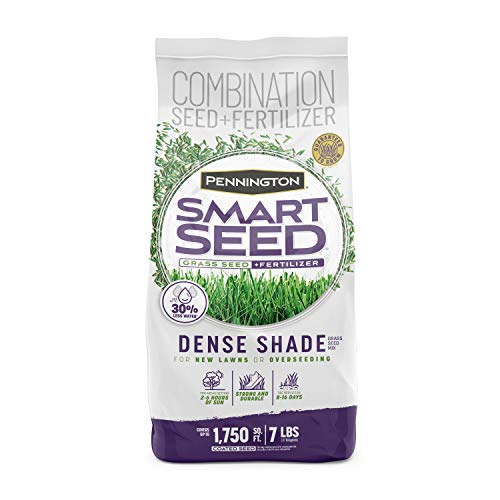
Brand: Pennington. Features: A mix of Perennial Ryegrass, Kentucky Bluegrass, and Tall Fescue designed to thrive in shady conditions. Includes fertilizer in the seed pack to help lawn success. Best for: homeowners with limited sun, especially around mature trees or near structures. Caution: effectiveness depends on soil moisture; drought during establishment may slow germination.
The Dense Shade blend balances varieties known for shade tolerance and reasonable recovery in cooler climates. It aims to establish a thick, green lawn in areas that receive little sunlight. Choose this if you want an all-in-one seed-and-fertilizer option for shady zones of a lawn.
Jonathan Green Black Beauty Dense Shade

Brand: Jonathan Green. Features: Shade-tolerant mix designed for areas with limited sunlight, produces a dark green lawn, germinates in 14–21 days, includes beneficial endophytes. Best for: lawns shaded by trees or structures that still want a robust, dark-green turf. Caution: establishment can vary with soil texture; slower germination in cooler, drier soils.
This blend emphasizes shade tolerance with a quick-establishing profile and deep color. It is well-suited for shaded front or back yards where sun breaks are rare, delivering a visually appealing lawn in constrained light.
Majesty Green Power Shade

Brand: Majesty Green. Features: Shade-thriving seed blend designed for low-light spaces; aims for lush, dense texture and vibrant green color. Best for: shady and damp lawns where a soft, velvety appearance is desired. Caution: performance may vary in extremely dense shade or poor drainage conditions.
Power Shade is tailored to low-light zones and damp spots, producing a thick turf that remains comfortable underfoot. This option suits yards where under-canopy growth is persistent and sunlight is sporadic.
Pennington Kentucky 31 Fescue

Brand: Pennington. Features: Kentucky 31 Tall Fescue is a durable, economical option that grows thick blades and tolerates heat and heavy rains. Best for: lawns with partial shade and hot summers where strength matters. Caution: may not establish as quickly in deep shade compared to dedicated shade blends.
Kentucky 31 Fescue is a classic turf choice for resilient lawns. It suits transitional shade areas and provides a tough, dense blade structure, making it a steady option where shade is present but not extreme.
Scotts Turf Builder Sun and Shade Mix

Brand: Scotts. Features: A combined seed, fertilizer, and soil improver designed for both sun and shade; establishes in spring or fall when soil temps are suitable; aims to grow thick, green grass with strong roots. Best for: new lawns or overseeding in mixed light conditions where sun exposure varies. Caution: not a pure shade-specific blend; performance may be lower in heavily shaded spots.
This blend provides flexibility for homeowners who face varied sun exposure across the yard. It’s a practical choice when you want a single mix that can handle both sunny and partially shaded areas while promoting root development for a sturdy lawn.
Scotts EZ Seed Patch & Repair Bermudagrass
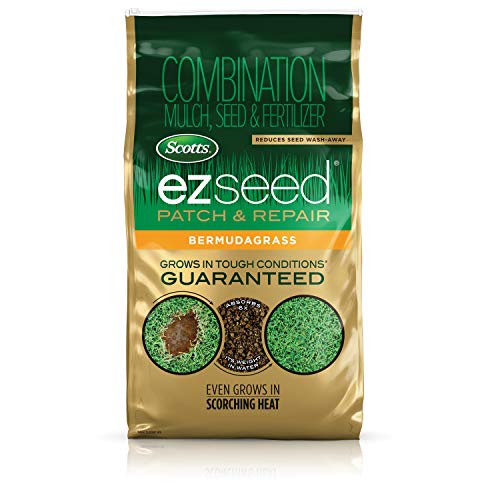
Brand: Scotts. Features: Bermudagrass seed with mulch, fertilizer, and tackifier to repair bare spots; supports patch growth in warm conditions. Best for: zones with sun and heat, where Bermuda is suitable. Caution: Bermuda is not shade-tolerant; expect poor results in deep shade or cold climates.
The EZ Seed Patch & Repair kit is ideal for repairing small bare patches in warm-season lawns. It blends seed with materials that aid germination and seedling protection, but is not designed for shaded areas or cool-season lawns.
Buying Guide: Low-Light Lawn Seed Considerations
What makes a seed mix shade-tolerant?
Shade-tolerant mixes combine grasses that can establish and thrive with less direct sunlight. Look for tall fescue, certain bluegrasses, and ryegrasses known for shade tolerance. Consider soil moisture, drainage, and light availability when selecting a blend.
How much shade can your lawn have?
Light shade (partial sun) supports many blends. Deep shade areas may require specialized shade mixes with higher shade-tolerant tall fescues and fine fescues. If the lawn is under heavy tree canopy, choose denser shade blends and plan for additional irrigation during establishment.
Seed vs. seed-and-fertilizer options
Some products include fertilizer, which can help establishment but requires proper timing. If fertilizer isn’t included, plan for a separate feeding schedule following the seed’s germination window.
Establishment and maintenance tips
- Prepare soil, remove debris, and ensure even seed distribution for uniform germination.
- Aim for consistent moisture during the first 2–3 weeks, gradually reducing irrigation as roots establish.
- Monitor for pests and disease, especially in damp, shaded areas where fungi can thrive.
Choosing the right product for your yard
- Best for dense shade: Pennington Smart Seed Dense Shade Mix.
- Best for deep shade with dark color: Jonathan Green Black Beauty Dense Shade.
- Best for shaded and damp spaces with lush texture: Majesty Green Power Shade.
- Best for flexible sun/shade zones and established beds: Scotts Turf Builder Sun and Shade Mix.
- Best for partial shade and hot summers: Pennington Kentucky 31 Fescue.
FAQ
- What grass seed grows best in shade?
Shade-tolerant blends often use tall fescue and certain bluegrass varieties that establish well with limited sun. - How long does it take shade grasses to establish?
Germination typically ranges from 10 to 21 days, depending on soil temperature and moisture. - Should I fertilize after seeding?
If a product includes fertilizer, follow the package. Otherwise, apply a balanced fertilizer after germination per local guidance. - Can I overseed an existing lawn in shade?
Yes, overseeding can improve density in shaded areas, especially when paired with proper moisture management. - Is Bermuda grass suitable for shade?
Bermuda prefers full sun; it performs poorly in deep shade and is not recommended for shade-dense areas. - How much sun does shade-tolerant grass need?
Most shade-tolerant blends still require some light—partial sun (1–4 hours) or dappled light is often enough for establishment.