When choosing a greenhouse for cold climates, the goal is a structure that preserves warmth, resists wind and snow, and provides enough space for plants to thrive through winter. This guide highlights five reliable options ideal for colder conditions. Each selection is evaluated for winter performance, ease of setup, and practical use cases—from hobby gardeners to small urban growers.
| Product | Best For | Why It Stands Out |
|---|---|---|
| Bamworld Greenhouse for Outdoors Mini | Small spaces, starter setups | Rot-resistant eucalyptus wood with a sturdy three-way frame; inner design offers space for multiple plants and easy watering |
| Greengro Greenhouse, 28 x 57 x 76” | Season-long protection, walk-in | Thick PE cover, 16mm base, stability features; good balance of space and protection |
| Greengro Greenhouse, 57 x 57 x 76” | Medium to large plant beds | Large interior with four shelves; durable cover and strong frame for year-round use |
| KING BIRD Premium 15x7x7 FT | Full-season, large-scale growing | Heavy-duty galvanized steel frame with multiple vent options and shade netting |
| Sylviera 6x4FT Greenhouse | Compact yet durable, year-round | Lightweight aluminum frame with UV-resistant polycarbonate panels; weather-resistant |
Notes: The table above focuses on cold-climate suitability, durability, and space efficiency. Availability and exact dimensions vary by model; always verify current specifications before purchase.
Bamworld Greenhouse for Outdoors Mini

Best for compact spaces and beginners, this mini greenhouse uses premium eucalyptus wood to build a stable frame and three-way connectors to minimize wobble in windy conditions. The design creates a warmer microclimate for herbs, flowers, and vegetables during winter, which is ideal for small patios or balconies. The inner layout maximizes plant capacity without expanding footprint. Caution: Limited overall growing space means it may not accommodate very large trays or high-volume winter planting.
Greengro Greenhouse, 28 x 57 x 76”

This walk-in greenhouse is a solid choice for cold climates with a thick PE cover and sturdy base. Its 6.4-foot height supports tall plants, while the 2.3-foot length provides space for multiple pots. The design regulates airflow and moisture, helping to maintain a stable environment through winter winds and snow. Best for gardeners who want a larger, stand-alone unit without a complex setup. Limitation: The size may require a concrete or stable ground surface for maximum wind resistance.
Greengro Greenhouse, 57 x 57 x 76”

Best for multi-season planting with abundant space, this model offers a generous footprint and eight shelves, plus a durable PE cover. The structure is designed to regulate temperature and moisture, creating an environment suitable for seed trays and mature potted plants all year. It is well-suited for gardeners with existing garden beds or patios who want a walk-in greenhouse experience. Caution: Larger footprint means more space is required for placement and anchoring in windy areas.
KING BIRD Premium 15x7x7 FT

Best for serious winter growing, this large walk-in greenhouse uses a galvanized steel frame designed to tolerate strong winds and heavy snowfall. The setup includes multiple vent options and a shade net to control heat and humidity in hot days, making it versatile across seasons. It is ideal for larger vegetable beds or tropical plant collections. Choose this if you need maximum space and robust weather resistance. Limitation: Assembly and anchoring can be more involved due to its size and metal frame.
Sylviera 6x4FT Greenhouse
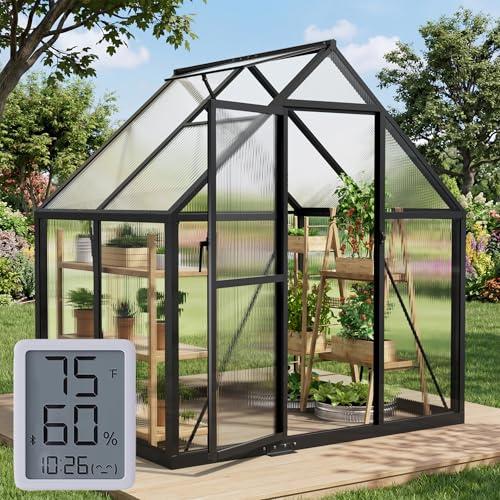
Best for compact spaces that still require year-round protection, this model uses an aluminum frame and UV-resistant polycarbonate panels. It provides clear light transmission while blocking harmful UV rays, helping to stabilize interior temperatures. It’s a practical choice for balconies or small yards where wind and cold are concerns. Caution: Polycarbonate panels, while sturdy, can be heavier and require careful handling during setup.
Buying Guide: Key Considerations for Cold-Climate Greenhouses
- Space and footprint: How much area can you dedicate? Smaller units save space but offer less growing capacity; larger units maximize plant count but require stable anchoring.
- Frame material and durability: For winter winds and snow, metal frames (galvanized steel or aluminum) typically outperform wood in harsh conditions, while rot resistance is valuable for wooden frames.
- Cover material and insulation: Thick PE covers with reinforced edges and high wind resistance improve winter performance; polycarbonate panels offer better insulation and light diffusion.
- Ventilation and climate control: Adjustable vents, zippered doors, and optional shade nets help manage humidity and temperature swings common in cold winters.
- Ground stability and anchoring: In snowy regions, secure anchoring to the ground and a level base prevent shifting and damage during heavy winds or snowfall.
- Ease of assembly and maintenance: Detachable bases, modular shelves, and clear assembly instructions reduce setup time and ongoing upkeep.
FAQ: Common Buyer Questions
- What is the best greenhouse material for cold climates? A galvanized steel frame with polycarbonate panels generally provides strong wind resistance and good insulation, though high-quality PE covers can also be effective for budget options.
- Do walk-in greenhouses require a foundation? A stable, level base is recommended, and anchoring to the ground improves wind resistance—especially in exposed areas.
- Will these greenhouses protect delicate plants in freezing temperatures? Yes, many models create a warmer microclimate and protect against wind and moisture, but insulating materials or supplemental heat may be needed for extreme cold.
- How much space do I need for winter vegetables? A smaller unit (around 4×6 feet) can support several trays and pots, while larger units (6×8 feet or more) accommodate more beds, pots, and longer crops.
- Can I move a greenhouse seasonally? Some models offer detachable bases and modular shelves that simplify seasonal relocation and storage.
- Are these greenhouses easy to assemble? Most listed options include labeled parts and instructions; heavier frames or larger dimensions may require a second person or basic tools for assembly.