Rising wind speeds can threaten delicate plants and fragile greenhouse structures. This guide highlights solid, wind-resilient greenhouses available on Amazon that are well-suited for high-wind zones. Each option emphasizes reinforced frames, windproof features, and durable panels. Read on to compare design strengths, ventilation, and accessibility to help you choose the right shelter for your garden or backyard.
| Product | Brand | Key Strength | Ventilation/Access |
|---|---|---|---|
| Vigo huseeo 7.2FT High 6×8.2FT Greenhouse | Vigo huseeo | Raised design, windproof rope, reinforced aluminum frame | Roof vent, walk-in entry |
| 6×8FT Greenhouse for Outdoors | WUKHG | Heavy-duty aluminum frame, polycarbonate panels | Ventilation windows, lockable door |
| Kecreque Greenhouses Outdoors Heavy Duty 10x7x7 | Kecreque | Galvanized steel frame, 6 ventilated windows | 2 roller shutter doors |
| VEVOR Walk-in Green House | VEVOR | High-strength PE cover, roll-up zipper door | Shelves inside; easy access |
| GreatBuddy Portable Mini Greenhouse 3x3x6 | GreatBuddy | High-density PE, sturdy steel frame | 2 roll-up zipper windows |
Vigo huseeo 7.2FT Greenhouse

The Vigo huseeo greenhouse emphasizes a taller, 86-inch ceiling to reduce bending, with a raised door and roof treatment that creates a more spacious interior. The frame uses upgraded aluminum and a 1200G/㎡ thickened polycarbonate panel, designed to withstand strong winds and cold. Windproof rope and ground nails are included to enhance stability in windy conditions, helping maintain internal climate and plant health. Entry remains easy thanks to the ergonomic door design and clear walkthrough space.
Reference features show a focus on durability and wind resistance: an aluminum frame for rigidity, thick polycarbonate panels for light diffusion and insulation, and windproof accessories for secure anchoring. This combination targets gardeners in coastal or open plains where gusts are a daily factor. The canopy provides a walk-in experience that reduces the need for frequent repositioning of plants, particularly useful for taller varieties that require even light exposure without crowding at entry points.
6×8FT Greenhouse for Outdoors

This model emphasizes a sturdy aluminum frame paired with heavy-duty polycarbonate panels. The construction is designed to tolerate strong winds, heavy rains, and even blizzards, with a suggestion to seal gaps with glass glue for added rigidity. The 4 mm twin-wall polycarbonate roof panels improve light diffusion and thermal control while resisting impact and UV damage. An integrated ventilation system with adjustable windows supports air exchange, crucial for preventing overheating during windy, sunlit days and maintaining consistent humidity for plants.
In wind-prone settings, the balance between frame strength and panel integrity matters. This greenhouse provides a wide surface area with an emphasis on protection and climate control, helping vegetables, ornamentals, and herbs maintain steady growth even when gusts slam the exterior. The design allows for tailored airflow and secure entry, reducing the risk of wind-driven debris entering the interior.
Kecreque Greenhouses Outdoors Heavy Duty 10x7x7

Kecreque offers a heavy-duty, galvanized steel frame designed to resist harsh wind conditions. The 10x7x7-foot tunnel-like design includes six ventilated windows and two roller shutter doors, allowing quick access while maintaining interior climate. The frame’s steel construction provides significant stability, while the ventilation options help prevent overheating on sunny days and promote air exchange during persistent winds, reducing pressure on the cover material.
Materials focus on resilience: a rust-resistant steel frame and reinforced diagonal supports to help the structure resist deformation under wind pressure. The included vents and doors support flexible operation during varying weather, and the design aims to maintain soil warmth and humidity, which is essential for early-season crops or sheltered perennial beds in windy locales.
VEVOR Walk-in Green House

VEVOR provides a compact yet robust walk-in greenhouse featuring a high-strength PE cover and a roll-up zipper door for easy access. The structure includes shelves for organized plant placement and airflow management, which is beneficial in windy environments where sun exposure and ventilation can rapidly shift. The setup is noted for quick assembly, enabling gardeners to establish a windproof shelter without complex tools or long build times.
The combination of a tough tarpaulin-like exterior with UV protection and a steel frame contributes to resilience against wind-driven wear. The cover’s translucence supports healthy photosynthesis while enabling monitoring from outside. Interior shelves optimize space for seed trays, potted plants, and humidity control devices that help stabilize interior microclimates when gusts shake the exterior environment.
GreatBuddy Portable Mini Greenhouse 3×3×6
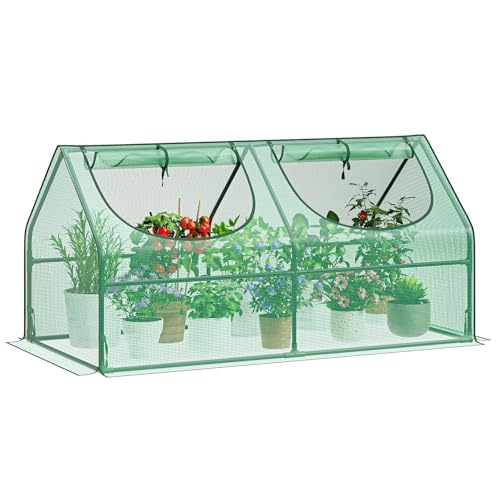
This compact option emphasizes portability with a high-density PE cover and a sturdy steel frame, making it a practical choice for wind-prone backyards or movable setups. The 2 roll-up zipper windows allow flexible ventilation while preserving interior warmth. The assembly is straightforward, enabling quick relocation or seasonal storage as wind patterns change, and it provides adequate space for herbs, small vegetables, and seed trays in a sheltered environment.
From a wind-resilience perspective, the blend of durable frame construction and weather-resistant covering helps prevent tearing and sagging under gusts. The dual-vent design also facilitates airflow management, which helps reduce heat buildup in sunny conditions and keeps plants comfortable during cooler evenings when drafts are common.
Buying Guide: Wind-Resistant Greenhouse Considerations
Key factors when selecting a greenhouse for high-wind areas include frame rigidity, anchoring systems, and panel integrity. Aluminum frames offer corrosion resistance and lightness but should be paired with robust connectors and anchors. Steel frames provide heavy-duty stability but require rust prevention and proper maintenance. Look for windproofing features such as ground anchors, tie-down ropes, and bracing to minimize movement during storms.
Panel materials matter for wind resilience and light transmission. Polycarbonate panels provide impact resistance and insulation, while poly coverings may be more economical but require careful tensioning and reinforcement. Twin-wall or multi-layer panels improve thermal stability, helping protect plants from rapid temperature fluctuations caused by gusts.
Ventilation and accessibility play a critical role in maintaining plant health in windy climates. Consider models with adjustable vents, roll-up doors, and secure entryways to balance air exchange with interior protection. Walk-in designs are beneficial for handling tall plants and reduce the risk of accidental damage when moving trays or pots.
Size and footprint must align with available outdoor space and wind exposure. Larger structures may capture more wind load but also provide substantial interior volume for heat buildup; ensure adequate shading and ventilation to manage temperature swings. For coastal or exposed inland sites, prioritize anchored bases, reinforced joints, and high-quality fabric or panel coatings to resist UV exposure and wind-driven wear.
Maintenance considerations include ease of assembly, availability of replacement parts, and warranty terms. A well-supported product with readily available anchors, panels, and zippers reduces downtime after storms. Finally, weigh the total cost of ownership—frame material, panel longevity, and accessory packages—against your long-term gardening goals and local wind patterns.