Erosion control starts with selecting the right ground cover that stabilizes soil, supports plants, and minimizes sediment runoff. This guide highlights five effective erosion-control products that blend natural materials, durable fabrics, and practical installation features. Each option offers distinct advantages for slope stabilization, weed suppression, and soil protection in American landscapes. Consider material type, installation ease, biodegradability, and maintenance needs when choosing the best solution for your project.
| Product | Brand | Primary Use | Material Type |
|---|---|---|---|
| Biodegradable Erosion Control Blanket | Farm Plastic Supply | Temporary soil stabilization | Straw and coconut fiber with biodegradable net |
| Jute Erosion Control Blanket | AK TRADING CO. | Soil protection and erosion prevention | Natural jute fabric |
| Weed Barrier Landscape Fabric | Pterying | Weed suppression and erosion control | Premium PP (polypropylene) fabric |
| Burlap Erosion Control Blanket (2 rolls) | Riakrum | Soil stabilization and revegetation | Burlap netting on blanketing |
| Heavy Duty Weed Barrier | HOOPLE | Weed suppression and soil moisture regulation | Non-woven PP landscape fabric |
Biodegradable Erosion Control Blanket — Straw/Coconut Fiber

The Farm Plastic Supply erosion control blanket combines straw and coconut fibers held by a biodegradable brown net. It is designed as a temporary rolled erosion control product that biodegrades after about 90 days. Composition includes 70% straw and 30% coconut fiber, providing an organic mulch-like cover that stabilizes soil, reduces runoff, and supports seedling establishment. Suitable for garden beds, slopes, and landscape projects requiring a natural, short-term stabilization solution with an environmentally friendly profile.
Jute Erosion Control Blanket — 48″ x 20 Yards
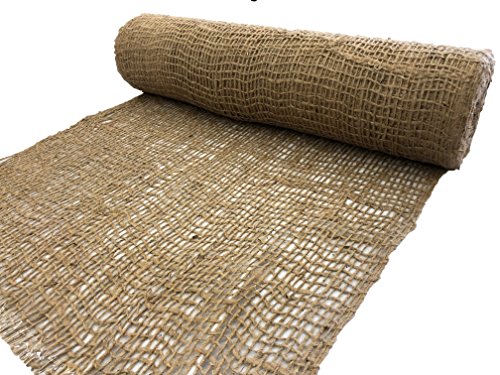
This soil saver uses premium jute to deliver natural, biodegradable erosion control. The 48-inch wide roll extends 20 yards, covering roughly 240 square feet. It acts as a protective shield against wind and water erosion while supporting seedling establishment. Jute naturally decomposes over time, leaving the soil with improved structure and reduced sedimentation, making it a green, sustainable option for landscape and hillside stabilization projects.
Weed Barrier Landscape Fabric — Heavy Duty
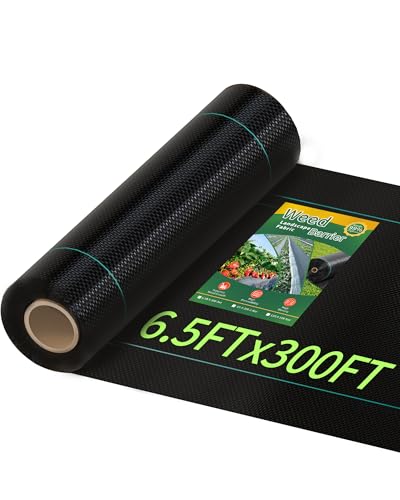
Designed for long-term weed suppression and erosion prevention, this heavy-duty landscape fabric uses high-permeability polypropylene. It allows water and air to reach soil while creating a barrier that minimizes weed growth and soil compaction. It features green alignment stripes for easy installation and can be cut to fit garden beds, driveways, and slopes. A versatile option for durable, reusable ground cover that supports plant health and soil moisture balance over time.
Burlap Erosion Control Blanket (2 Rolls)
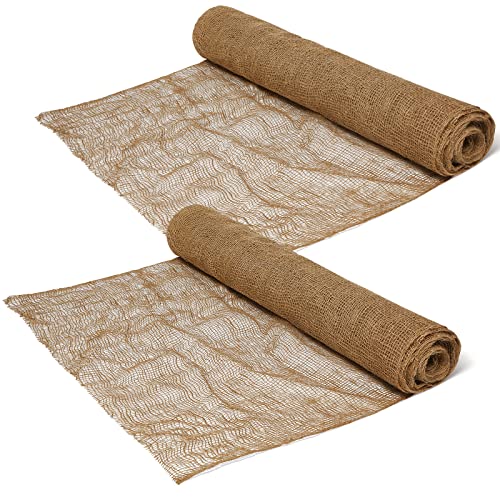
Riakrum provides two burlap erosion control blankets sized at 48 inches by 30 feet per roll (total 60 feet). Burlap blankets offer robust soil stabilization, helping to revegetate slope areas, gardens, and raised beds while reducing erosion. The burlap netting and loose weave design support soil capture and gradual natural integration with the landscape as materials break down over time. A practical option for moderate erosion challenges and temporary stabilization needs.
Weed Barrier — Heavy Duty, Easy To Cut

HOOPLE offers a heavy-duty, non-woven weed barrier designed for weed control, evaporation reduction, and improved soil health. The fabric is easy to install, cut to size, and promotes air and water movement through the soil. This option is well-suited for garden beds, driveways, and areas where weed suppression and soil respiration are priorities. It supports healthy root systems while delivering reliable erosion mitigation in persistent weed-prone zones.
Buying Guide: Key Purchase Considerations
- Material Type and Decomposition: Choose biodegradable options (straw/coconut, jute, burlap) for temporary stabilization, or durable fabrics (PP) for long-term weed suppression and erosion control.
- Soil and Climate Compatibility: Assess soil type, slope, moisture, and local climate to select a material that supports root growth and reduces runoff under your conditions.
- Coverage Area and Longevity: Calculate required square footage and expected lifespan. Biodegradable blankets typically last weeks to months, while geotextile fabrics may last multiple seasons.
- Environmental Impact: Prefer materials with minimal chemical treatment and biodegradable components when possible to support soil health and wildlife.
- Ease of Installation: Consider roll size, weight, and installation ease. Some products include alignment aids or perforations for simple cutting and placement.
- Revegetation Support: If establishing vegetation, choose products that allow seed exposure and root penetration, or materials that support seedling establishment.
- Cost and Availability: Compare unit costs, replacement frequency, and regional supply to determine the most cost-effective solution for your site.
- Maintenance and Removal: Plan for debris management, infiltration rates, and potential cleanup considerations after stabilization or plant establishment.