Getting fresh cat grass for indoor cats is easier with the right grow stones and kits. This guide highlights the best options to support healthy, quick-growing cat grass using hydroponic planters, clay pebbles, and seed mixes. Ideal buyers include busy pet parents needing convenient indoor setups, gardeners seeking reusable growing media, and anyone wanting a fuss-free way to reduce hairballs. The products below balance ease of use, water management, and root health, helping you choose the right system for your space and cat’s appetite for greens.
| Product | Best For | What It Includes |
|---|---|---|
| Trenqular Cat Grass Planter Set | Small to medium indoor spaces; cats that need fresh greens | Three hydroponic cat grass basins with water reservoir and separate grid layer |
| Legigo Organic Leca Clay Pebbles | Hydroponics beginners; anyone needing good drainage | 2 lb of 4–16 mm natural leca balls; resealable package |
| Halatool Expanded Clay Pebbles | Hydroponic and semi-hydro setups; reusable media | 4–16 mm clay pebbles; inert, pH-neutral |
| Malifea Leca Expanded Clay Pebbles | Lightweight, durable growing medium; good aeration | 2 lb clay pebbles; 6–18 mm size range |
| Organo Republic Cat Grass Seeds Mix | Seed-based setup; quick indoor grass | 4 oz mix of non-GMO barley, oats, wheat, rye; high germination |
Trenqular Cat Grass Planter Set
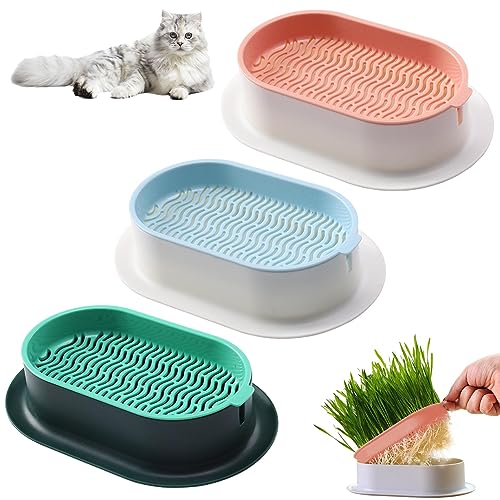
The Trenqular set includes three cat grass basins designed for indoor use. It uses a hydroponic, soilless system with a large water reservoir to reduce frequent watering. A separate cat grass grid layer and water tray simplify mowing and water changes. Best for owners who want a neat, space-saving setup and a straightforward way to keep cat grass readily available. A potential limitation is the need to monitor the water level to prevent overflows in very humid spaces.
Who it’s best for: Apartment dwellers or homes with limited counter space; households wanting a tidy, multi-plant solution for cats. Choose this if you prefer a dedicated, contained growing box that minimizes mess and supports easy maintenance.
Key Considerations
- Hydroponic design reduces soil mess and watering frequency.
- Separate grid layer aids mowing and water management.
- Three basins provide multiple growing points; consider space for all.
Legigo 2 LB Organic Leca Clay Pebbles

Legigo’s leca pebbles come in a 2 lb resealable pouch, sized 4–16 mm. They are natural, pH-neutral, and designed to improve drainage and aeration in hydroponic systems. The material is lightweight, durable, and reusable after cleaning, making it a cost-effective option for ongoing cat grass projects. A limitation is that larger pebble sizes may not be ideal for very small pots or delicate seedling stages.
Who it’s best for: Growers who want a reusable, inert growing medium that keeps roots oxygenated and dry between waterings. Choose this if you plan to reuse media for multiple plant cycles or want a simple base for cat grass in hydroponic setups.
Why choose leca for cat grass?
- Excellent drainage and aeration prevent root rot.
- Lightweight and easy to transport.
- Helps regulate moisture at the root zone.
Halatool 2 LB Expanded Clay Pebbles

Halatool offers premium expanded clay pebbles in a 2 lb bag, sized for flexible use in hydroponics and semi-hydroponic systems. The pebbles are inert, porous, and pH-neutral, making them suitable for a variety of cat grass setups. They are reusable and designed to reduce chalking in water. A limitation is that they may require thorough rinsing before first use to remove fine dust.
Who it’s best for: Those building or maintaining longer-term hydroponic cat grass systems who value a stable, inert growing medium. Choose this if you want a robust, reusable option that supports consistent root aeration.
What to watch for
- Rinse before first use to minimize dust.
- Ensure pot depth accommodates root growth for healthy grass.
Malifea 2LBS Leca Expanded Clay Pebbles

Malifea provides 2 pounds of expanded clay pebbles, with a 6–18 mm size range. The pebbles are naturally lighter than soil and designed to be inert and pH-neutral. They store and release moisture to roots while preventing over-watering. A potential limitation is that larger stones may occupy more pot space, reducing the medium volume for roots in very small containers.
Who it’s best for: Growers seeking a light, durable, reusable medium that supports strong root systems in moderate to large pots. Choose this if you want extended reuse across cycles and broader pot options.
Practical tip
- Consider pot size to maximize root growth with larger pebble ranges.
Cat Grass Seeds Mix

This 4 oz seed mix combines barley, oats, wheat, and rye in a Non-GMO, heirloom blend. It offers a high germination rate (reported above 90% in tests) and fast growth—often ready in 4–7 days. The mix is packaged in a waterproof, resealable bag with a growing guide accessible via QR code. A caution is that seed germination depends on proper moisture and light exposure; inconsistent watering can slow growth.
Who it’s best for: Pet parents who prefer seed-based cat grass and want a quick-growing option with a guided planting process. Choose this if you’re starting from scratch and want a reliable, high-germination mix.
Growing note
- Grows up to about 4 inches in under a week with the right conditions.
- Store seeds in a cool, dry place to maintain germination rates.
Buying Guide: Cat Grass Grow Stones And Seeds
What growing medium works best for cat grass?
Hydroponic planters and leca pebbles provide clean, low-mess setups and strong aeration. Soil-based options are more forgiving for beginners but involve more cleanup. For cats, a well-drained medium reduces root rot and supports rapid growth.
How to choose a planter or medium?
For limited space, multi-basin planters like Trenqular offer compact, tidy setups. If you prefer reusability and long-term use, select expanded clay pebbles from Halatool or Malifea. For seed-based growth, Organo Republic’s seed mix pairs well with simple trays or shallow pots.
What should I consider about seed mixes?
Look for non-GMO, high-germination blends including barley, oats, rye, and wheat. A fresh, sealed bag with clear storage instructions helps ensure quick, consistent germination.
Best practices for healthy cat grass
- Keep the growing area bright but not sun-scorched; indirect light works well.
- Maintain even moisture without waterlogging the roots.
- Trim grass regularly to encourage dense, compact growth and reduce leggy stems.
Tips for choosing between seeds and pebbles
- Seed mixes are best for rapid, fresh grass, suitable for beginners with simple trays.
- Clay pebbles are ideal for reusable systems and longer-term hydroponics setups.
FAQ
- Q: Do cat grass kits require soil? A: Not necessarily. Hydroponic kits use water-based systems with pebbles or basins, reducing soil mess.
- Q: How often should I water cat grass in hydroponics? A: Watering depends on the reservoir capacity and plant demand; monitor moisture levels to avoid overwatering.
- Q: Is seed germination guaranteed? A: Germination varies; high-germination blends improve success, and proper storage helps maintain viability.
- Q: Can I reuse clay pebbles? A: Yes, after cleaning, leca pebbles can be reused in multiple cycles, making them economical.
- Q: Which product is best for small apartments? A: A compact hydroponic planter set with small basins is ideal for limited spaces.
- Q: Do these products help with hairballs? A: Cat grass can aid digestion and reduce hairball formation when offered regularly in moderation.