Answering the needs of home gardeners and small-scale farmers, this guide highlights the best hand seed planters and seeders for seeds. The top picks cover a range of seed types, from tiny to medium, and suit prepared soil or direct planting. Best for beginners are simple push seeders; better for precision planting are those with multiple seed plates and adjustable depth. This overview helps you choose tools that save time, improve spacing, and support healthy germination in your garden.
Summary of selected products (quick reference):
| Product | Best For | Key Benefit | Notes |
|---|---|---|---|
| Chapin 8701B Garden Push Seeder | General vegetable plots | Six seed plates; up to 20 seed varieties | Sturdy steel frame; zinc plow blade |
| Precision rows and spacing | Seven plates; broad seed compatibility | Durable aluminum, rustproof hopper | |
| John Deere 3 lb Garden Seeder | Prepared soil beds | Seven plates; rear wheel for consistent seed-to-soil contact | Well-suited for homeowners |
| CYzpf Seed Sower | Small to medium seeds | Fertilizer inclusion option; simple operation | Quality galvanized components |
| Bulbs, carrots, and bulbs | Depth markings; ergonomic wooden handle | Metal tip for easy penetration |
Chapin 8701B Garden Push Seeder Planter

The Chapin 8701B offers six seed plates and supports up to 20 seed varieties, making it a flexible choice for diverse vegetable gardens. Best for gardeners who want a single tool that handles many seed types without swapping equipment. The powder-coated steel frame and cushioned handle grips provide durability and comfort for extended planting sessions. A zinc plow blade marks the row, plows, seeds, and covers in one continuous push, which improves speed and consistency in prepared soil. A practical pick for medium-sized plots.
Who it’s best for: home gardeners planting varieties like carrots, lettuce, radishes, and beans. Why selected: the combination of multiple seed plates and a robust frame supports consistent spacing across many crops. Caution: the seed hopper capacity is sufficient for typical plots, but very large beds may require refills during long sessions.
CYzpf Seed Sower Gardening Tools

The CYzpf seed sower focuses on ease of use by eliminating traditional bending and digging. It supports planting seeds while maintaining consistent depth, which can improve germination rates for many vegetables. Made from galvanized material, this tool emphasizes durability for long-term garden use. Important to note: this device is best for standard-sized seeds and may require manual attention for very tiny seeds. Choose this if you value simple operation and a compact design for quick sowing.
Who it’s best for: gardeners seeking a straightforward hand-operated seeder to complement larger beds. Why selected: its practical design reduces strain and time while delivering dependable seed placement. Caution: not ideal for very tiny seeds unless used with appropriate settings or additional tools.
EarthWay 10001 Precision Garden Seeder

The EarthWay 10001 is built for precision planting with seven interchangeable seed plates. It’s designed to accommodate up to 38 seed types, which makes it a versatile option for gardeners who plant a wide variety of crops. Its aluminum construction and rustproof hopper emphasize longevity, with a one-year limited warranty and lifetime technical support. Best for gardeners who value accurate seed spacing and depth control in prepared soil. Caution: assembly and plate changes require attention to detail to maintain alignment for consistent results.
Who it’s best for: serious hobbyists and small farmers planting multiple crops. Why selected: high versatility and durable materials support long-term, consistent sowing. Caution: the seven-plate system can be more complex to start with for absolute beginners.
John Deere 3 lb Garden Seeder
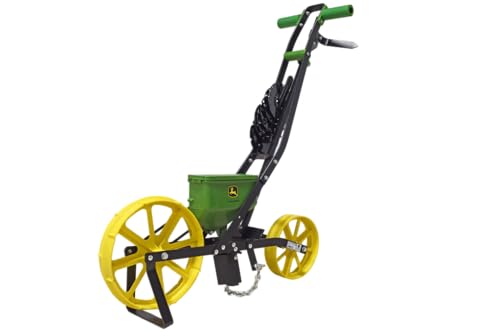
The John Deere 3 lb Garden Seeder emphasizes efficient planting with reduced back strain, especially in prepared soil. It provides seven seed plates to handle up to 20 seed types, and a wide rear wheel aids consistent seed-to-soil contact. This model is well-suited for gardeners who want dependable, straightforward operation in well-prepared beds. A clear choice for established plots where spacing precision matters. Caution: performance can depend on soil preparedness; overly compact or rocky soil may affect seed placement.
Who it’s best for: homeowners with well-tended beds seeking dependable, simple operation. Why selected: combines ease of use with reliable seed placement and a familiar brand presence. Caution: ensure soil is properly prepared to maximize results.
Mini Seed Spreader Set (5 Degree) 6 Pcs

This mini seed spreader set provides compact tools for small seeds, with a 5-degree alignment and single-hand usability. It’s ideal for precise, gentle sowing in containers, seed trays, or small garden rows. Best for gardeners who prioritize portability and ease of use for delicate seeds. Caution: designed for tiny seeds and light-duty use; not suitable for heavy or large-seeded crops.
Who it’s best for: urban gardeners and container growers who need precise micro-sowing. Why selected: small form factor and simple operation suit tight spaces. Caution: limited seed capacity and strength compared to larger push seeders.
6 PCS Mini Seed Spreader Set (Red)

This set includes multiple compact tools with five seed-speed options, designed for tiny seeds and tight planting tasks. Choose this if you need flexibility in a small workspace or for seedling beds where precise sowing is essential. Caution: similar to other mini spreaders, capacity is limited for larger plantings.
Who it’s best for: gardeners who want a modular, handheld approach to sowing many tiny seeds in small areas. Why selected: versatility in speed settings and compact design. Caution: best used for small-scale sowing rather than large beds.
Buying Guide: Key Considerations for Hand Seeders
- Seed compatibility: How many seed types and sizes does the seeder support? Look for interchangeable plates or adjustable depth.
- Soil readiness: Some tools assume prepared soil; others can work in looser ground. Assess your beds before choosing.
- Ease of use: Consider weight, handles, and whether the device marks, sows, and covers in a single motion.
- Durability and materials: Powder-coated steel, aluminum, and rust-resistant hoppers extend tool life in outdoor conditions.
- Maintenance: Check for parts that wear or require calibration and whether replacement plates are available.
- Capacity: Seed hopper size and plate variety affect how much you can plant before refilling.
- Space and scope: For tiny containers or tight rows, mini spreaders are ideal; for larger plots, a multi-plate seeder is more efficient.
Frequently Asked Questions
- What is a seed plate and why does it matter? A seed plate controls seed spacing and depth; different plates accommodate different seed sizes for consistent sowing.
- Can these tools handle both tiny and large seeds? Some models offer multiple plates for a wide range of seeds; check the plate compatibility before purchasing.
- Are hand seeders better than traditional seeders? Hand seeders provide more manual control and are suited for small-to-medium plots and containers; larger gardens may benefit from more automated options.
- What soils are best for hand seeders? Prepared, well-aerated soils are ideal; very compact or rocky soils can hinder uniform planting.
- Do these tools include depth adjustment? Many models feature fixed or adjustable depths via seed plates or design; confirm depth settings for your crops.
- How do I maintain a hand seeder? Clean after use, dry to prevent rust, and inspect plates and hopper for wear; replace parts as needed.