Direct answer: for heavy-duty skid steer brush clearance, choose attachments with wide cutting decks, hydraulic compatibility, and rugged stump-jumper or anti-windrow designs. This guide compares five top options to fit standard skid steers and high-flow/standard-flow systems, highlighting who each product is best for and common limitations to consider.
| Product | Cutting Width | Best For | |
|---|---|---|---|
| Generic 72″ Wide Brush Cutter | 66″ cutting width | Large, heavy-duty land clearing | Stump jumper, 25HP gear box; 14-20 GPM hydraulic flow |
| GIYI 63″ Wide Brush Cutter | 57.6″ cutting width | Rugged landscaping and trail clearing | 2 bi-directional blades; 10-22 MPa pressure |
| LANDY 72″ Heavy Duty Brush Mower | 72″ deck | Ranch and pasture maintenance | Universal quick attach; 15-20 GPM flow |
| WOLVERINE/MOTOQUEEN Blades (replacement) | Blade replacements | Maintenance and extended blade life | NM400 steel; 14-1/2″ x 2-3/4″ blades |
| Landhonor 42″ Brush Cutter | 42″ width | Tree limb pruning and tight spaces | 2 AR400 blades; 14–20 GPM range |
72″ Wide Skid Steer Brush Cutter Attachment
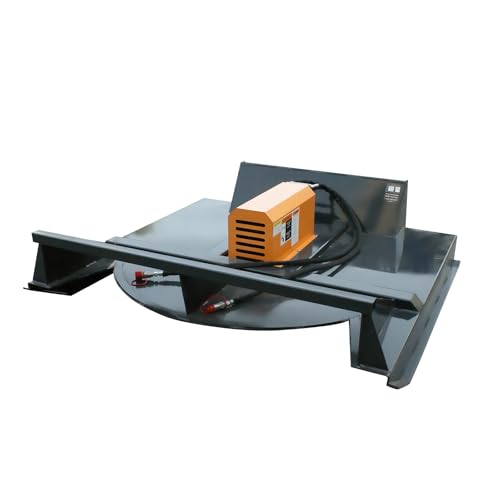
This attachment features a 66″ cutting width with a 2 bi-directional blade setup and a 25HP gear box. It can cut up to 3″ diameter material, making it well-suited for heavy brush and small trees. The stump jumper design helps traverse uneven terrain with reduced risk of damage to the machine, while a universal hydraulic flow requirement of 14-20 GPM supports common skid steer hydraulics.
Best for: buyers clearing large rough lots, pasture margins, and sites with mixed brush. Limitations: requires compatible hydraulic flow and may be heavy to install. Not ideal for very narrow work corridors.
GIYI 63″ Wide Skid Steer Brush Cutter

With a 1460 mm cutting width and 700-2000 RPM torque, this cutter tackles dense shrubs and saplings quickly. It supports 10-22 MPa pressure and 30-60 L/min flow, making it adaptable for many skid steers. Its heavy-duty steel frame and anti-rust coating contribute to durability in harsh conditions.
Best for: landscaping and construction sites needing reliable, mid-to-large width clearance. Limitations: ensure your flow rates meet the 30-60 L/min range for optimal performance.
MOTOQUEEN Heavy Duty Brush Cutter Blades (For Wolverine BC-13-72W)

These 10mm spring steel replacement blades are designed for Wolverine BC-13-72W, built to cut thick brush and saplings. The blades measure 14-1/2″ by 2-3/4″ with a 1″ mounting hole, offering improved durability under tough clearing jobs. They are intended to extend blade life and maintain cutting performance.
Best for: users needing durable replacements to reduce downtime. Limitations: verify compatibility with your specific mower head before purchase.
LANDY 72 Inches Skid Steer Hydraulic Brush Mower

LANDY’s 72″ brush mower uses a universal quick attach and a direct-drive hydraulic motor, designed for 15-20 GPM flow. The dual heavy-duty blades cover wide swaths for efficient clearing of pasture, fence lines, and right-of-way vegetation. It is built for quick installation and consistent performance on standard-flow skid steers.
Best for: quick-deploy projects on ranches or large properties. Limitations: ensure your skid steer is compatible with the 15-20 GPM hydraulic rate.
Wolfequip 42″ Brush Cutter With 4-Way Controller

Designed for side pruning and versatile terrain work, Wolfequip offers a 42″ brush cutter with a 4-way controller and 3 hydraulic hoses. Its features support extending reach and multi-position cutting for bank clearing, fence lines, and right-of-ways. It is suitable for Bobcat, Cat, Kubota loaders depending on hydraulic compatibility.
Best for: precise, multi-angle cutting in slopes or uneven terrain. Limitations: smaller width means more passes on large clearings.
Buying Guide: Key Purchase Considerations
- Hydraulic compatibility: Confirm your skid steer’s flow rate (GPM) and pressure (MPa) to ensure the attachment matches a standard-flow or high-flow system.
- Cutting width vs. maneuverability: Wider cutters clear faster but may be harder to navigate tight spaces. Match width to your typical job site.
- Blade design and material: Bi-directional blades and hardened steel (like NM400 or AR400) increase durability for tough brush and saplings.
- Stump jumper and terrain handling: A stump-jump design helps reduce damage on uneven ground and stumps; consider terrain type when selecting.
- Quick attaches and installation: Universal compatible mounts save time, but verify model compatibility with your skid steer’s quick attach system.
- Weight and balance: Heavier units can stress the hitch and hydraulics; verify loader capacity and proper mounting procedures.
- Maintenance access: Look for easy blade replacement and straightforward grease points to minimize downtime.
Frequently Asked Questions
- What is the advantage of a stump jumper on a brush cutter?
A stump jumper helps the cutter glide over roots and stumps, reducing the chance of damage to the gear box and improving cutting continuity on uneven terrain.
- How do I know if my skid steer has standard-flow or high-flow hydraulics?
Check the hydraulic system specification in your machine’s manual or contact the manufacturer. Attachments typically note required GPM and PSI ranges.
- What width should I choose for a brush cutter?
Wider cutters cover more area per pass and are best for open fields; narrower models excel in tight spaces near structures or along fences.
- Are replacement blades easy to install?
Yes, most 14–15 inch blades with standard mounting holes fit widely used brush cutter heads, but verify exact dimensions before purchase.
- Can these attachments cut through small trees?
Most heavy-duty cutters can handle saplings up to a few inches in diameter; check the product specifications for maximum material size.