Container gardening makes fresh herbs accessible year-round, whether you’re in a small apartment or a sunny patio. The right potting mix, soil amendments, and starter kits help herbs thrive in limited spaces. This guide highlights five highly compatible products that support healthy roots, moisture balance, and convenient care for herbs like basil, parsley, cilantro, and thyme. Each item is chosen for container-friendly performance, ease of use, and clear benefits for beginner to intermediate gardeners.
| Product | Brand | Key Benefit |
|---|---|---|
| Burpee Organic Premium Potting Mix | Burpee | All-natural blend with coconut coir; ideal for containers; slow-release feeding |
| The Old Farmer’s Almanac Vegetable Gardener’s Handbook | The Old Farmer’s Almanac | Comprehensive growing guidance, soil testing tips, and crop strategies |
| Indoor Herb Garden Kit | iRealgarden | All-in-one windowsill starter with 10 herbs, pots, and moisture meter |
| Espoma Organic Potting Soil Mix | Espoma | Organic, multi-use mix with mycorrhizae for robust container rooting |
| Espoma Organic Potting Soil Mix (4qt) | Espoma | Compact option for smaller containers; strong base for herbs and vegetables |
Burpee Organic Premium Potting Mix For Containers

The Burpee Organic Premium Potting Mix is designed for container gardening with a blend that includes coconut coir and plant food. The mix is OMRI-listed for organic use and offers instant feeding plus a slow-release option that lasts up to three months. Coconut coir aids moisture retention, helping potting soil stay evenly moist between waterings. This product suits herbs grown in pots or raised beds, delivering a balanced medium that supports root growth and healthy foliage for compact herb gardens.
The Old Farmer’s Almanac Vegetable Gardener’s Handbook

This handbook provides practical, step-by-step advice across more than 30 vegetables, with guidance on soil testing, in-ground and container methods, seed-starting, and saving. It includes color photos, essential charts, and notes to help gardeners optimize space and timing for herb and vegetable plantings. The book is a reliable reference for planning a container herb garden that complements broader edible gardens, especially for those learning soil health and crop sequencing.
Indoor Herb Garden Kit — 10 Non-GMO Herbs

The Indoor Herb Garden Kit from iRealgarden provides 10 popular non-GMO herbs plus reusable pots, soil discs, tools, and a moisture meter. The included instruction booklet makes it beginner-friendly, guiding you through sowing, care, and harvest. This kit enables year-round herb access for cooking, teas, and decorative windowsill displays, making it a practical choice for aspiring urban farmers who want immediate results with clear steps.
Espoma Organic Potting Soil Mix (4qt)
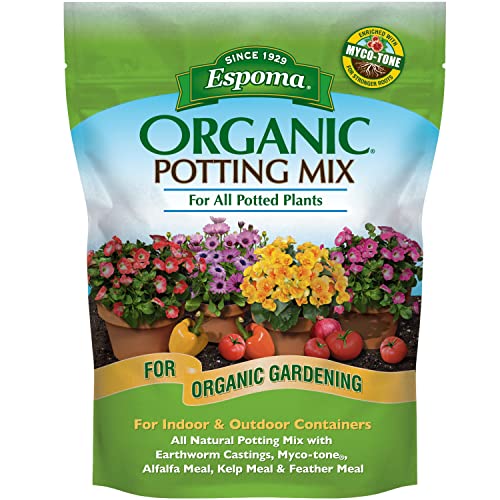
Espoma Organic Potting Soil Mix is a versatile, all-natural blend suitable for interior and exterior containers. It combines sphagnum peat moss, humus, perlite, and organic amendments such as earthworm castings, alfalfa meal, and kelp meal. The Myco-Tone addition introduces a mix of endo and ecto mycorrhizae to support robust root establishment. This soil mix is well-suited for herbs and vegetables in pots, promoting strong growth and sustainable moisture management for containers.
Buying Guide: Key Purchase Considerations
- Container compatibility: Choose a mix formulated for pots or raised beds to ensure adequate drainage, water retention, and root growth. Coconut coir or peat-based blends are common options that affect moisture balance.
- Organic and nutrients: If you prefer organic gardening, look for OMRI-listed products and those with slow-release nutrients that minimize frequent feeding. Mycorrhizal inoculants can improve root health for herbs.
- Moisture management: Herbs thrive with consistent moisture but do not like soggy soil. Materials like coconut coir help retain moisture without oversaturation. Consider moisture meters for beginners.
- Accessibility and ease of use: Starter kits with seeds, pre-potted herbs, or complete setup reduce setup time and simplify ongoing care, especially for first-time gardeners.
- Education and reference: Handbooks or guides provide practical information on soil health, crop planning, and seasonality—useful for expanding a container herb garden beyond basics.
- Space and scalability: If you have limited space, select compact options and consider vertical or modular systems to maximize herb variety without crowding.
For a balanced herb-growing approach, consider pairing a high-quality potting mix like the Burpee or Espoma blends with a see-through garden kit for monitoring moisture. Combine guidance from the Old Farmer’s Almanac handbook to plan crop rotations and container layouts. The Indoor Herb Garden Kit offers a quick-start option for those who want fresh herbs immediately, while the Espoma mixes provide a reliable, organic base for repeated cycles of herb production in containers.
Additional Perspectives
- Soil life and sustainability: Organic blends support soil biology and can improve long-term container health, though they may require more careful watering schedules.
- Cost vs. benefit: Starter kits may have higher upfront costs but can reduce early failures. Multi-pack soil options provide ongoing value for growing several herb pots.
- Maintenance routine: A moisture meter helps prevent overwatering and under-watering, critical for tender herb roots in small pots.
- Seasonal adaptation: Containers allow year-round herb production in protected spaces; pairing the right tools with education materials enhances success in varying climates.