Looking for the best insect netting for plants? This guide highlights five top options that help keep pests away while letting air, light, and water reach your crops. Each product is chosen for specific use cases—garden beds, raised beds, or potted plants—so you can pick the right fit for your setup. The summaries below explain who each netting is best for and why it stands out. A quick buying guide and FAQ follow to help you decide with confidence.
| Product | Best For | Key Benefit |
|---|---|---|
| Garden Netting Pest Barrier: 4’x10′ | Raised beds and larger garden plots | Durable HDPE, UV-resistant, wide coverage |
| LCHUANG Bird Netting 3.3Ft x 2.7Ft (4 Pack) | Small to medium plants, containers, blueberries | Zippered, adjustable, lightweight |
| Garden Netting 10x33Ft (FARAER) | Orchards, greenhouses, long row covers | Ultra-fine mesh, easy watering through |
| RIFNY Garden Netting 10x33Ft (2 Pack) | Large plant rows and crops | Ultra-fine 0.04in mesh, dual-pack value |
| SnugNiture 10x33Ft Ultra Fine Mesh | Vegetables, fruits, flowers in open gardens | See-through, durable mesh with water and light flow |
Garden Netting Pest Barrier: 4’x10′ Fine Bug Netting
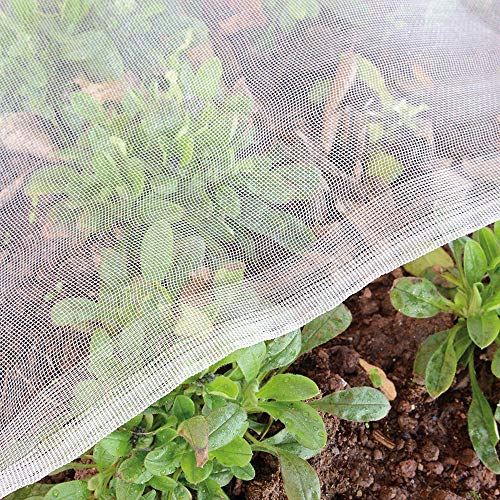
Best for raised beds and larger gardens, this 4×10 ft pest barrier uses 100% new HDPE that is UV-resistant. It provides an effective barrier against cicadas, carrot flies, aphids, and other garden invaders while remaining safe for plants. The tight selvedge reduces unraveling, and its weight supports long-term use in outdoor spaces. Use this netting when you need an all-purpose cover that won’t sag or tear under wind or rain. A potential limitation is that the larger area may require more setup time compared with smaller nets.
Who it’s best for: Home gardeners with raised beds or moderate-to-large plots seeking a durable, long-lasting cover.
Why selected: Combines strong construction with broad pest protection and plant safety. The size offers substantial coverage without compromising airflow or light penetration.
Caution: Ensure edge securement to prevent wind flapping, especially in windy climates.
Features: 4×10 ft coverage, 100% HDPE, UV-resistant, tight selvedge, plant-safe
LCHUANG Bird Netting With Drawstring (4 Pack)

Best for smaller plants, container setups, and fruit bushes like blueberries, this 4-pack offers a drawstring design for quick deployment. The PE material provides durability while remaining lightweight so it won’t press or restrict plant growth. It’s transparent to let sunlight through and easy to adjust as plants grow. A potential drawback is that the netting may need to be re-tightened as plants expand, especially in windy areas.
Who it’s best for: Gardeners with potted plants, small shrubs, or container fruit crops.
Why selected: Easy to install, adjustable drawstring, and lightweight protection that doesn’t impede growth.
Caution: Check mesh integrity after heavy wind or rain to prevent gaps.
FARAER Garden Netting 10x33Ft
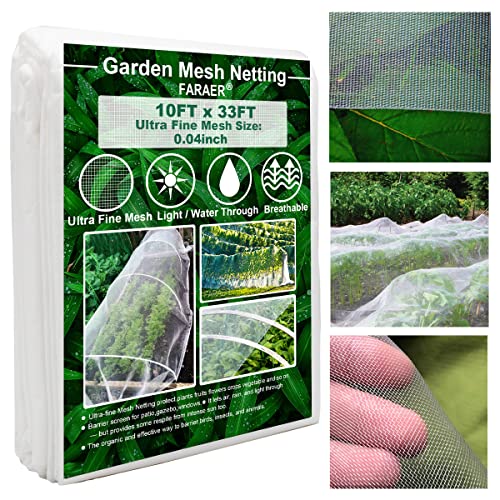
Choose this ultra-fine netting for long rows in orchards, greenhouses, or garden beds. The 0.8mm x 1mm mesh blocks small pests while allowing air, water, and light to pass for healthy plant growth. You can water and feed directly through the mesh without removal. It’s suitable for protecting vegetables, fruits, flowers, and crops. A consideration is its size and deployment, which may require planning for larger landscapes.
Who it’s best for: Gardeners managing long rows or dedicated greenhouse sections seeking minimal maintenance during watering.
Why selected: Ultra-fine mesh provides strong pest protection with convenient access for irrigation.
Caution: Large installations may require multiple rolls or careful securing to prevent edge gaps.
RIFNY Garden Netting 10x33Ft (2 Pack)

Best for large plantings and farms, this two-pack offers 10×33 ft nets with a 0.04 inch ultra-fine mesh. It provides high permeability for air, water, and light while shielding crops from insects, birds, and small animals. The product notes emphasize that it does not require removal for watering or feeding. The drawback is that the white mesh can blend with light-colored foliage, potentially reducing visibility when checking plant health from a distance.
Who it’s best for: Gardeners with bigger plots or multiple raised beds needing cost-effective, reusable protection.
Why selected: High-permeability, ultra-fine mesh supports plant health while deterring a wide range of pests.
Caution: Inspect edges for secure anchoring to prevent gaps in windy conditions.
SnugNiture Garden Netting 10x33Ft

Best for a wide range of crops in open gardens, this SnugNiture netting features a 10×33 ft size with an ultra-fine 0.1mm x 0.1mm mesh. It’s designed to be durable and water- and sun-proof, allowing direct plant coverage without removing for watering. It stays see-through to minimize shading and supports protection from birds, deer, and squirrels. A potential limitation is the management of a larger single piece on very tall or sprawling plants.
Who it’s best for: Gardeners seeking durable, long-lasting protection across many plants in open spaces.
Why selected: Combines light weight, transparency, and strong material to preserve photosynthesis while blocking pests.
Caution: For tall plants, ensure adequate height clearance to avoid contact with growing shoots.
Buying Guide: Insect Netting For Plants
- Ultra-fine mesh (around 0.04-0.1 mm) blocks tiny insects while allowing air, light, and water through. Larger holes reduce protection but are easier to manage.
- Match netting size to your space. 10×33 ft nets cover long rows or multiple plants; smaller panels fit containers or shrubs.
- Look for UV-resistant HDPE or PE fabrics for outdoor use. Tight selvedges prevent unraveling and extend life.
- Choose nets with drawstrings or zippers for easy setup and adjustment as plants grow.
- Prefer designs that allow watering through the mesh to avoid removing covers during irrigation.
- See-through materials keep photosynthesis intact and reduce shading concerns.
- Some nets work indoors, on windows, or as pond covers; consider whether you need indoor or greenhouse versatility.
- Regularly inspect for tears or gaps and reseal edges to maintain pest protection.
Frequently Asked Questions
- What mesh size should I choose for most garden pests? A mesh around 0.04 to 0.1 inches (0.9-2.5 mm) is commonly effective against small insects while allowing adequate airflow.
- Can I water plants without removing the netting? Yes, many nets are designed to allow irrigation through the mesh; check product specifics about watering compatibility.
- Will netting affect light exposure? High-quality, see-through nets minimize shading and preserve photosynthesis while blocking pests.
- How do I secure nets on windy days? Use sturdy edge ties, drawstrings, or stakes to maintain tension and prevent gaps.
- Is this netting safe for fruit trees? Yes, many nets are designed to encase potted or small fruit trees without harming growth, provided there’s adequate space and breathability.
- When should I replace garden netting? Inspect for tears or fraying; replace damaged sections promptly to maintain pest protection.