When choosing an insecticide dust to target yellow jackets and other wasps, look for ready-to-use formulas that deliver lasting residual control in crevices, walls, and outdoor nests. This guide highlights five effective options suitable for indoor and outdoor use, with clear notes on who benefits most, plus important cautions. Ideal buyers include homeowners seeking DIY wasp control, outdoor enthusiasts managing nest sites, and those needing long-lasting residual protection in damp or challenging locations.
| Product | Best For | Key Benefit |
|---|---|---|
| Atticus Tirade 1% Dust | Homeowners and tech-savvy DIYers | High broad-spectrum control with ready-to-use dust |
| Tempo 1% Dust | Crack-and-crevice seekers | Targeted dust delivery for hidden pests |
| Spectracide Yellowjacket Foam | Outdoor nests and hard-to-reach tunnels | Foam expands to nests and tunnels |
| Raid Outdoor Wasp Ground Nest Killer | Outdoor perimeter protection | Fast-acting, outdoor-ready dust |
| Defense Dust | Long-term indoor/outdoor protection | Moisture-resistant with extended residual |
Atticus Tirade 1% Dust Insecticide

Best for wide-range control in interiors and around outdoor access points. This ready-to-use dust contains cyfluthrin and targets flying and crawling pests, including wasps. It provides lasting residual to keep nests and nearby areas checked after application. Suitable for use where dusts are preferred over liquids, such as cracks, crevices, and voids.
- Advantages: Powerful broad-spectrum activity; prepared packaging saves time; effective against a wide pest list.
- Limitations: Should be applied as directed on label; use caution in outdoor flowering plants near pollinators.
Tempo 1% Dust Insecticide

Best for cracking and crevice dusting in areas that are hard to reach with sprays. The 1% cyfluthrin formula stays put when undisturbed, delivering residual control in wall voids and around structural gaps where yellow jackets and other stinging insects often travel. Best for ongoing protection in basements, crawl spaces, and behind baseboards.
- Advantages: Targeted delivery; durable residual in hard-to-reach sites.
- Limitations: May require reapplication in high-traffic outdoor areas after rainfall or wind exposure.
Spectracide Carpenter Bee And Ground-Nesting Yellowjacket Killer Foaming Aerosol

Best for outdoor nests and ground-nesting yellowjackets. This foaming aerosol expands to fill tunnels and nests, helping to reach bees, wasps, and hornets directly where they live. The formulation is designed to treat carpenter bee tunnels as well, distributing the insecticide effectively through the nest.
- Advantages: Foam expands to hollow areas; direct nest treatment.
- Limitations: Outdoor use in windy conditions can affect application accuracy.
Defense Dust Insecticide

Best for long-lasting indoor and outdoor protection with moisture resistance. This 1-lb dust claims up to eight months of residual control when left undisturbed, making it suitable for crawl spaces, basements, garages, and other sheltered locations where yellow jackets might harbor. Includes a puffer for precise placement and gloves for safe handling.
- Advantages: Extended residual, moisture-resistant formulation.
- Limitations: Requires careful application to avoid non-target exposure in inhabited spaces.
Raid Outdoor Wasp Ground Nest Killer
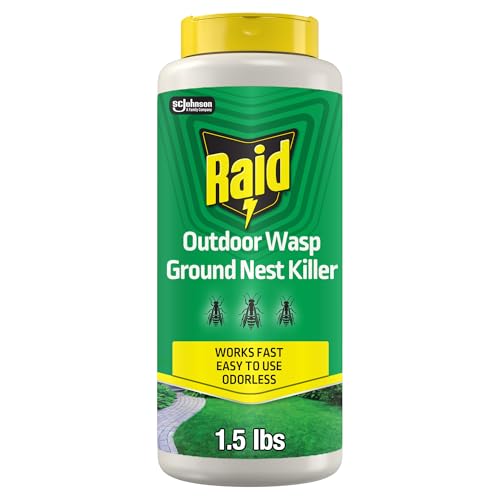
Best for outdoor perimeter protection against wasp nests. This ready-to-use dust targets ground nests and can serve as a residual treatment around the nest perimeter to reduce recurring wasp activity. Ideal for yard, deck, and porch areas where nests may be hidden or obscured.
- Advantages: Outdoor readiness; broad residual protection for perimeters.
- Limitations: Outdoor weather exposure may necessitate reapplication after heavy rain.
Buying Guide: Key Considerations For Choosing Insecticide Dust
- Target pests: Confirm the dust is labeled for wasps or yellowjackets and consider whether you need broad-spectrum control or targeted nest treatment.
- Application environment: Indoor, outdoor, damp areas, or crawl spaces require different formulations (moisture resistance, residuals).
- Residual duration: If nests persist or reappear, opt for products with longer residuals when left undisturbed.
- Delivery method: Cracks, crevices, voids, and cracks require dusts designed for precise placement; foaming aerosols may suit nests better than loose dust.
- Safety and handling: Check included PPE like puffer tools or gloves; follow label directions to minimize exposure to people, pets, and pollinators.
- Environmental considerations: Prefer products with low non-target impact and avoid flowering plants when treating outdoors near pollinators.
- Reapplication needs: Weather, humidity, and activity in the treated area can affect duration; plan for seasonal re-treatment if needed.
FAQ
- Are dust insecticides effective against yellow jackets? Yes, many labeled dusts provide residual control in cracks, crevices, and nest entry points, helping reduce activity over time.
- Can I use these products indoors where people sleep or eat? Follow label directions carefully. Some dusts are safer for indoor use in secluded areas, but always keep treated zones away from occupant activity and food preparation.
- Which product is best for outdoor nests? Foaming or outdoor-dedicated dusts near nests, such as Spectracide Foam or Raid Outdoor Wasp Killer, are typically most effective for ground nests and perimeter protection.
- Should I reapply after rainfall? Yes, moisture can reduce residual effectiveness. Expect to reapply after heavy rain or wind exposure if infestations persist.
- Is safety gear necessary for application? Use gloves and follow label directions. Some products include a puffer or accessories to improve placement and reduce exposure.
- Can these products attract pollinators? Apply away from flowering plants and during low pollinator activity when possible to reduce risk to bees and other pollinators.