Find the right insecticide to protect citrus trees from common pests and diseases. This guide highlights five trusted products, explaining who they’re best for, how they work, and practical buying tips. Ideal buyers include home gardeners with several fruit trees, those seeking organic options, and anyone needing season-long protection without frequent spraying.
Summary table of chosen products
| Product | Best For | Form | Protection | Notes |
|---|---|---|---|---|
| BioAdvanced Fruit & Citrus Tree Insect Control Concentrate | Home orchards seeking long-lasting protection | Concentrate, pours at base | Up to 2 months | Prevents infestations on multiple crops |
| BioAdvanced 3-in-1 Fruit, Citrus & Nut Tree Spray | One-spray option with multi-protection | Ready-to-spray | Kills insects, controls diseases, mites | All-in-one approach |
| Bonide Captain Jack’s Neem Max | Organic gardening enthusiasts | Ready-to-use or concentrate | Insecticide, fungicide, miticide, nematicide | Plant-based, broad spectrum |
| Bonide Captain Jack’s Fruit Tree Spray | Organic fruit tree protection | Concentrate | Insects and diseases | Versatile for listed fruits and citrus |
| Natria Neem Oil Spray | Ready-to-use neem-based option | Ready-to-use spray | Insects and mites; fungus control | Houseplants and gardens |
BioAdvanced Fruit & Citrus Tree Insect Control Concentrate

This concentrate provides season-long protection for fruit trees, including citrus, against a broad range of pests. It’s best for home orchardists who want a practical, low-spray solution and don’t mind mixing the concentrate for base-drench application. It also lists broad applicability to other fruit and vegetable crops, making it suitable for mixed gardens.
Best for: Home growers with several trees who value up-to-two-month prevention and affordable coverage. Better for: gardeners comfortable with mixing concentrates and applying at tree bases. Choose this if: you want extended protection with a single treatment that covers multiple pests.
Caution: Do not rely on a single application for heavy infestations; follow label directions to maintain proper timing and rates.
BioAdvanced 3-in-1 Fruit, Citrus & Nut Tree Spray

This ready-to-spray formulation provides triple protection: it kills listed insects, controls diseases, and manages mites with a single application. It’s well suited for gardeners who want a consolidated spray to protect a variety of fruit, citrus, and nut trees. It emphasizes efficiency for those who prefer fewer applications without sacrificing coverage.
Best for: gardeners seeking a single-solution spray with multiple protections. Better for: citrus and mixed-fruit setups where disease and mite pressure is a concern. Choose this if: you value a simple, all-in-one treatment rather than separate products for insects and diseases.
Caution: Efficacy depends on correct coverage; ensure thorough wetting of foliage and fruit surfaces per label guidance.
Bonide Captain Jack’s Neem Max, 128 oz Ready-to-Use Spray

This Neem-based product acts as a versatile 4-in-1 insecticide, fungicide, miticide, and nematicide. It’s approved for organic gardening and is effective against a range of pests at all life stages. Neem Max is best for gardeners who prefer organic or plant-based options and who want broad-spectrum coverage with a natural approach.
Best for: organic or eco-conscious growers seeking a plant-based defense. Better for: organic citrus and fruit trees requiring multi-purpose protection. Choose this if: you want a natural option with broad pest and disease coverage.
Limitation: Neem products may require more frequent applications in very hot or dusty conditions and can have slower knockdown for some pests compared to synthetic options.
Bonide Captain Jack’s Fruit Tree Spray

This concentrate targets a broad spectrum of diseases and insects on fruit trees, including citrus. It’s ideal for growers who need protection for a variety of hosts and want to prevent common fungal attacks while repelling pests like aphids, gnats, and beetles. It pairs well with routine lawn and garden care.
Best for: organic enthusiasts and mixed-fruit setups where disease or insect pressure is high. Better for: preventative disease control alongside insect management. Choose this if: you prefer a single concentrate for multiple crops rather than separate products.
Limitation: Requires mixing and precise application to ensure effective coverage across diverse plant species.
Bonide Insecticidal Soap, 32 oz Ready-to-Use
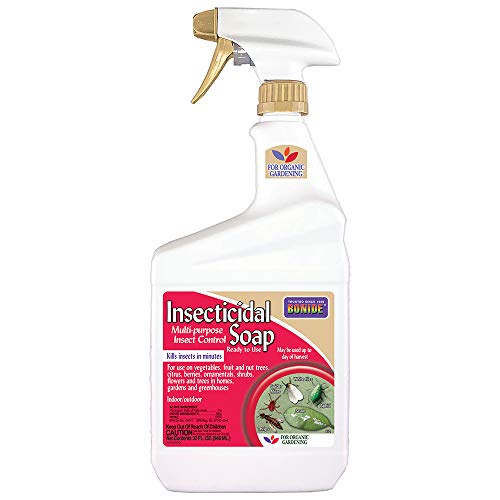
This ready-to-use spray targets a wide range of garden pests with direct contact action. It’s suitable for outdoor residential use in home gardens, lawns, ornamentals, and greenhouses. It’s most effective against soft-bodied insects and mites, with practical use on citrus and fruit trees when pest populations are light to moderate.
Best for: quick, non-greasy spot treatments and for gardeners who prefer a spray-ready option. Better for: small to medium tree setups or patio orchards where spot treatments are common. Choose this if: you need an easy-to-use spray without mixing.
Limitation: Efficacy depends on thorough coverage; it may require repeat applications for robust pest pressure.
Trifecta Crop Control Ready to Use
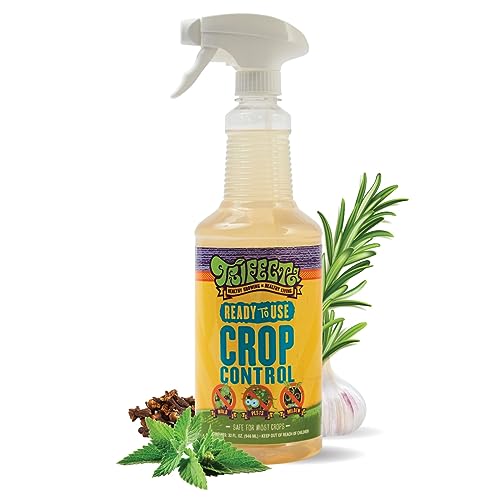
This maximum-strength, all-natural product fights spider mites, powdery mildew, and other pests on indoor and outdoor plants. It’s plant-based and safe for edible crops, making it suitable for organic gardeners who want a broad-spectrum solution without toxic residues. It also emphasizes environmental safety and minimal impact on beneficial insects.
Best for: organic or eco-conscious growers needing a plant-based spray with fungicidal properties. Better for: home gardens and edible crops where residue-free protection is preferred. Choose this if: you want a natural option with multiple protective capabilities.
Limitation: As with many natural formulas, it may require more frequent applications under heavy pest or disease pressure.
Buying Guide: Key Considerations For Citrus Tree Insecticides
- Target pests: Match product claims to the pests you see, such as aphids, whiteflies, leafminers, or mites.
- Protection duration: Some products offer season-long or multi-month prevention; others require repeat applications.
- Organic options: Neem-based and insecticidal soap products are favored by organic gardeners but may need more frequent applications.
- Application method: Base injections, ready-to-use sprays, and concentrates require different prep work and coverage strategies.
- Citrus and edible crops: Check label details to confirm safe use on citrus and other edible plants; some formulas are designated specifically for edible gardens.
- Compatibility: Consider whether you garden with a mixed orchard (citrus, apples, berries) and select a product that protects multiple hosts.
- Environmental impact: Plant-based formulas are gentle on beneficial insects, but all products should be used according to label directions to protect the ecosystem.
- Safety and storage: Follow safety guidelines, store away from children and pets, and keep containers sealed when not in use.
Frequently Asked Questions
What’s the best option for a small citrus tree in a container?
Look for ready-to-use sprays with label guidance for container-grown citrus and consider Neem-based products if you prefer organic options.
How often should I apply insecticides to citrus trees?
Most products require reapplication based on pest pressure and label directions; some offer season-long protection with a single application.
Can I mix insecticides with other garden products?
Do not mix unless the label explicitly allows it. Product compatibility varies and improper mixtures can harm plants or reduce effectiveness.
Are organic options as effective as synthetic ones?
Organic options can be highly effective when used correctly, but may require more frequent applications or broader coverage to achieve the same level of control as some synthetic products.
Is one product sufficient for a mixed fruit garden?
Consider products labeled for multiple hosts and pests; multipurpose sprays can simplify management for citrus, apples, berries, and other fruits.
What should I avoid when treating citrus trees?
Avoid applying during extreme heat; ensure thorough coverage; follow label directions to prevent phytotoxicity and to protect beneficial insects.