Choosing the right insecticide for flowering plants helps protect petals, buds, and foliage from common pests while minimizing impact on beneficial insects. The following selections combine efficacy, plant safety, and user versatility for home gardens, patios, and container setups. Each product emphasizes rapid action, residual control, or both, to keep flowers thriving across growing seasons.
| Product | Brand | Type | Focus |
|---|---|---|---|
| Eight Insect Control Vegetable, Fruit & Flower | Bonide | Concentrate | Direct kill and residual protection |
| Flower Shield | Humboldts Secret | Miticide / Insecticide / Fungicide | Mites, powdery mildew prevention |
| Organic Insecticide For Roses & Flowers | ARBER | Ready-to-Spray | Eco-friendly pest control |
| Monterey Neem Oil 70% | Monterey | Oil-based | Fungicide, insecticide, miticide |
| Bonide Captain Jack’s Dead Bug | Bonide | Dust/Insecticide | Organic insect control |
Bonide Eight Insect Control for Flowers
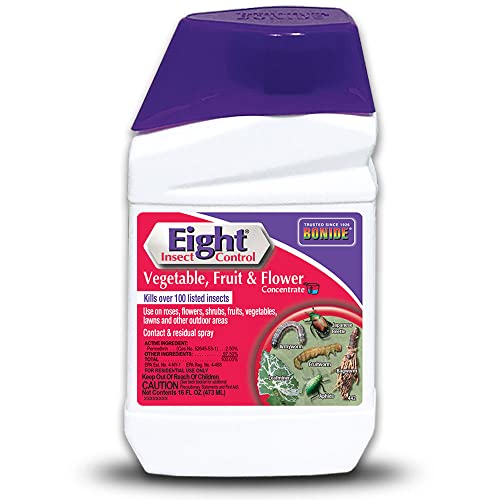
Bonide Eight Insect Control is a versatile concentrate designed for vegetables, fruit, and flowers. It targets mites, aphids, ants, scales, beetles, leaf miners, worms, and more than 100 listed pests. The dual action provides immediate contact kill and residual protection, helping guard foliage and blossoms between applications. This product is commonly used on listed vegetables, fruits, flowers, roses, ornamentals, lawns, trees, and shrubs, offering a broad-spectrum option for mixed landscapes.
Humboldts Secret Flower Shield

Flower Shield from Humboldts Secret is a pest management option formulated to be exempt from EPA registration under FIFRA 25(b). This product serves as both preventive and knock-down treatment for mites and powdery mildew, offering a multi-purpose approach for flowers and houseplants. It functions as an insecticide, miticide, and fungicide, with weekly applications helping create an environment hostile to pests while minimizing harm to plants. Suitable for indoor and outdoor use.
Organic Insecticide For Roses & Flowers
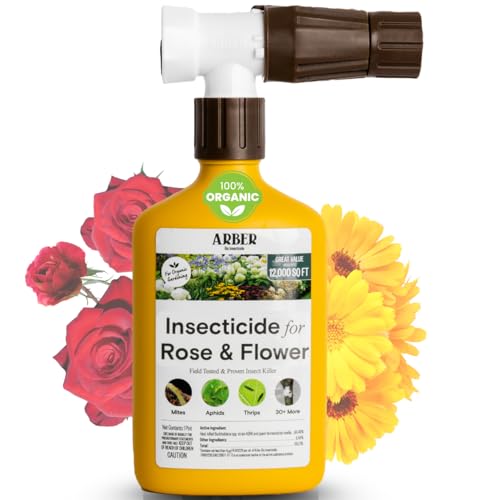
ARBER’s Organic Insecticide for Roses & Flowers is EPA-registered and designed to control over 30 common garden pests, including aphids, thrips, mealybugs, Japanese beetles, and mites. It promises fast-acting, long-lasting control and is formulated to be safe for pollinators and beneficial insects when used as directed. The ready-to-spray format makes it convenient for quick spot treatments during busy growing seasons.
Monterey 70% Neem Oil – Fungicide, Insecticide, Miticide

Monterey Neem Oil 70% is a versatile plant protection spray acting as a fungicide, insecticide, and miticide. It helps control powdery mildew, black spot, rust, spider mites, aphids, whiteflies, and more on roses, vegetables, fruits, and flowers. It provides broad-spectrum protection and is suitable for outdoor ornamental plants, fruiting crops, and container plantings. Neem oil can be used regularly as part of an integrated pest management strategy.
Bonide Captain Jack’s Dead Bug
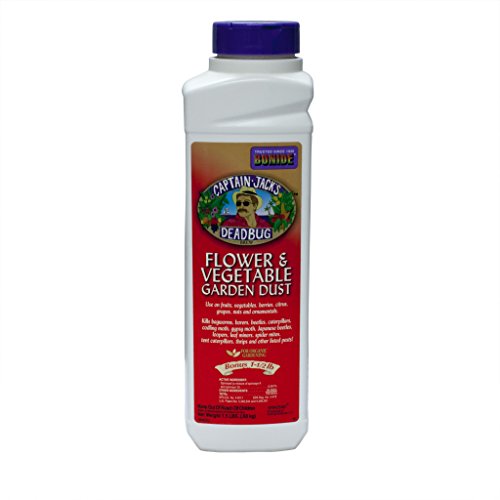
Captain Jack’s Dead Bug is an organic insecticide designed as a plant-safe option for flower beds and gardens. It is noted as an effective replacement for rotenone insecticides, offering targeted control over a range of pests that affect flowering plants. The product is typically used for spot treatments and integrated pest management plans, supporting safe and reliable pest suppression in ornamental settings.
Hydrofarm Mighty Spider and Mite Control

Hydrofarm’s Mighty Spider and Mite Control offers a rapid-action approach to defending houseplants and garden flowers from spiders, aphids, earwigs, beetles, and more. It is designed to be safe for use on houseplants, flowering plants, and outdoor flowers, including protection of eggs and adults on contact. This makes it a practical option for mixed-use spaces where ornamental plants are present alongside edibles.
Buying Guide
Key purchase considerations for insecticides aimed at flowers include pest selection, plant safety, and application method. Consider the following perspectives to choose the best option:
- Pest target: Identify the dominant pests (mites, aphids, beetles, caterpillars, powdery mildew) to select a product with proven efficacy for those threats.
- Plant safety: Look for formulations labeled safe for flowering plants, and check notes about pollinators and beneficial insects. Organic or EPA-registered options can reduce risk to non-target organisms.
- Mode of action: Decide between contact kill, residue protection, or a combination. Some products offer immediate knockdown while others provide ongoing suppression with reapplication intervals.
- Residue and ongoing protection: For busy gardens, products with residual activity help protect new growth between spray cycles.
- Indoor vs. outdoor use: Indoor houseplants may require milder formulations; outdoor garden flowers may benefit from products with broader pest coverage and weather tolerance.
- Application convenience: Ready-to-spray formats are quick for spot treatments, while concentrates can be cost-effective for larger areas with proper dilution.
- Pollinators: When flowering plants attract pollinators, prioritize products advertised as pollinator-friendly or that avoid harming bees and butterflies when used as directed.
- Integrated Pest Management (IPM): Combine chemical controls with cultural practices (sanitation, pruning, water management) to reduce pest pressure and extend product effectiveness.
These selections offer practical options for managing pests on flowers while balancing safety, ease of use, and effectiveness. Always follow label directions, test on a small plant area first, and monitor plant response after application.