Answering the most common buyer question: which insecticides or plant sprays effectively control fungus gnats while being safe for indoor plants? The following selections are suited for different types of plant setups, from small houseplants to home gardens. This guide highlights five products, noting who they’re best for, how they work, and practical usage tips. A quick buying table is provided to help compare at a glance.
| Product | Best For | Key Benefit |
|---|---|---|
| Kate’s Home & Garden Plant Spray | Indoor plants with sticky trap bundles | Kills gnats plus provides traps for rapid reduction |
| ARBER Organic Insecticide & Fungicide (16 oz) | Organic-focused households; mixed pests | Bio-based formula disrupting life cycles |
| Kate’s Garden Plant Spray | Indoor/Outdoor plants; natural ingredients | Peppermint/rosemary oils for gentle control |
| Trifecta Crop Control Ready to Use (32 oz) | Organic-style, broad-spectrum | Pest and powdery mildew control with plant-safe oils |
| BioAdvanced Houseplant Insect & Mite Control | Comprehensive houseplant care | Kills multiple pests including fungus gnats |
Kate’s Home & Garden Plant Spray for Insects & Getting Rid of Gnats

Best for indoor gardeners who want an integrated solution. This bundle includes a natural gnat spray and 12 sticky traps, providing immediate knockdown and ongoing monitoring. The formula targets fungus gnats, spider mites, and fruit flies, using peppermint and rosemary oils as natural actives. This makes it a suitable option for homes with pets or children when used as directed. A limitation is reliance on the traps to extend control, so product usage should be paired with traps for thorough coverage.
Who it’s for: apartment dwellers and plant parents seeking a ready-to-use indoor solution that pairs chemistry with trapping for quick results. Why selected: it combines spray action with physical traps for enhanced pest suppression and clear household use guidance.
Caution: keep away from eyes; test on a small leaf area first to confirm no adverse reactions. Traps must be present to deliver optimal results; replacement requests are noted in the product description if traps are missing.
ARBER Organic Insecticide & Fungicide for Plants

Best for those seeking a bio-based control that tackles both pests and powdery mildews. This concentrate coats leaves and soil to disrupt pest life cycles, supporting plant health without synthetic residues. It works across seedlings, containers, raised beds, and greenhouse starts, making it versatile for indoor and outdoor use.
Who it’s for: gardeners prioritizing organic or plant-safe options with broad-spectrum activity. Why selected: combines pest suppression with disease control, helping maintain foliage vigor. Caution: dilution level matters; follow recommended ratios to avoid excessive use on delicate plants.
Organic Insecticide Liquid Concentrate – ARBER

Best for proactive pest management with a liquid concentrate that penetrates foliage and soil. It targets fungus gnats, aphids, whiteflies, mealybugs, and spider mites, helping plants recover after pest pressure. The product emphasizes a balanced microbiome to support root health, which is advantageous for long-term plant vitality.
Who it’s for: growers who want customizable dilution and a true liquid concentrate for careful, on-demand treatment. Why selected: strong emphasis on disrupting pest life cycles while minimizing harsh synthetic residues. Caution: adjust strength for sensitive plants; overly strong mixes can stress some varieties.
Bonide Systemic Houseplant Insect Control

Best for ongoing protection against insects with systemic action. The granules are absorbed by the plant and provide protection for up to eight weeks. It targets chewing and sap-sucking pests, including fungus gnats, by moving within the plant to combat feeding insects. A limitation is that granules act systemically, so some houseplants may require avoidance of application on edible or sensitive crops.
Who it’s for: homeowners seeking long-lasting protection with a simple application method. Why selected: proven systemic approach helps defend against multiple pests over weeks. Caution: not intended for plants that are harvested for immediate consumption inside the treated period; follow label directions for indoor use only.
Kate’s Garden Plant Spray for Insects & Gnats

Best for gardeners seeking a peppermint- and rosemary-oil-based spray. This product targets fungus gnats, spider mites, and fruit flies with a natural-leaning formula suitable for indoor plants. It’s a good match for those preferring plant-safe ingredients over synthetic compounds. Limitation: natural oil blends may require more frequent application during heavy infestations.
Who it’s for: plant owners prioritizing gentler ingredients without compromising effectiveness. Why selected: aligns with consumer demand for natural pest control while delivering rapid knockdown. Caution: may have limited residual kill; reapply as needed for persistent gnats.
Trifecta Crop Control Ready to Use
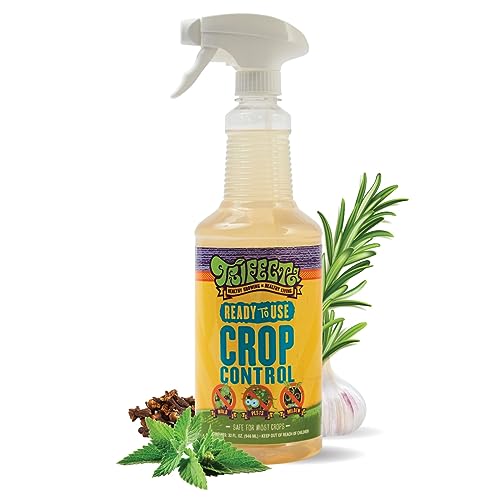
Best for a ready-to-use, broad-spectrum approach that tackles spider mites, powdery mildew, and fungus gnats. The plant-based formula aims to smother pests while avoiding toxic residues. Suitable for both indoor and outdoor use, including edible crops in some guidelines. Note that efficacy can vary with pest density and environmental conditions.
Who it’s for: gardeners needing a versatile spray with multiple pest targets in one bottle. Why selected: combines pest control with mildew protection in a single product. Caution: test on a small area first to ensure compatibility with delicate plant varieties; avoid applying during flowering in some crops.
BioAdvanced Houseplant Insect and Mite Control

Best for a comprehensive indoor plant treatment with a combined insecticide, miticide, and fungicide action. This spray covers common houseplant pests including gnats, aphids, whiteflies, lace bugs, and powdery mildew. It’s a practical option for households managing multiple pests with a single product.
Who it’s for: care routines that benefit from a multi-target solution. Why selected: consolidates several pest-control needs into one spray, reducing the number of products required. Caution: as with any broad-use spray, perform a patch test to confirm plant compatibility and avoid over-application on sensitive species.
Buying Guide: Fungus Gnat Control For Indoor Plants
- Active ingredients: Consider oils (mint, rosemary), botanical extracts, and friendly bacteria as options. Natural ingredients are appealing for homes with pets or children, but may require more frequent applications.
- What to treat: Fungus gnats thrive in moist soil; use products that reach the soil zone or are systemic to protect roots. For indoor setups, combining a spray with sticky traps can accelerate population decline.
- Application method: Choose products that fit your irrigation style—ready-to-use sprays for quick action or concentrates for custom dilution. Hose-end or pump sprayers work well for larger pots or beds.
- Plant compatibility: Test on a small leaf before widespread use. Some essential oil blends can cause leaf burn on sensitive species.
- Longevity and coverage: Systemic or soil-penetrating formulas offer longer protection, while contact sprays work quickly but may require repeated applications.
Frequently Asked Questions
- What is the fastest way to kill fungus gnats indoors? – Use a combination of a fast-acting spray to suppress adults and sticky traps or soil drenches to disrupt the larval life cycle, followed by regular monitoring.
- Are natural or organic sprays effective for fungus gnats? – Yes, many natural formulas with peppermint, rosemary, or neem oils can manage gnats, but may require more frequent reapplication.
- Can I use these products on edible plants? – Some products specify safe use on edible crops; always check the label and follow wait times before harvesting.
- Should I mix pesticides with soil drenches? – Soil drenches provide systemic protection; mixing multiple products can lead to plant stress. Follow label directions and avoid simultaneous applications unless advised.
- How often should I reapply for ongoing gnats control? – Frequency depends on the product; monitor plant condition and pest activity and reapply as directed on the label, especially during warm, humid periods.
- Is it better to use biological controls or chemical sprays? – Biological controls are gentler on beneficials and the environment; chemical-like sprays with targeted action can be effective for quick suppression, especially in severe infestations.