Get effective, lemon-tree-specific protection with reliable insect control options. This guide highlights five proven products that help keep lemon trees pest-free while supporting fruit development. The best choices range from dedicated citrus sprays to broad-spectrum plant sprays, making it easy to pick based on your garden needs, whether you’re an organic gardener, a busy hobbyist, or a small-scale grower. The top picks below are ideal for homeowner fruit trees and edible gardens, focusing on pests common to lemons such as aphids, whiteflies, scale, and mites.
Buyer note: Use the quick-reference table to compare which product suits your lemon tree situation, then read the detailed sections for suitability, application notes, and limitations.
| Product | Best For | Type | |
|---|---|---|---|
| BioAdvanced Fruit & Citrus Tree Insect Control Concentrate | Prevention on multiple fruit trees | Concentrate | Mix and apply at base; avoid overspray on fruit surfaces |
| BioAdvanced 3-in-1 Fruit, Citrus & Nut Tree Spray | Integrated protection against pests and diseases | Ready-to-spray | One product with multiple targets; read label for disease controls |
| Natria Neem Oil Spray | Organic-friendly pest and disease control | Ready-to-use oil spray | Oil-based; may affect pollinators if misapplied |
| Earth’s Ally 3-in-1 Insecticide, Miticide, Fungicide | Organic-style pest & disease control | 3-in-1 spray | Essential oils; test on sensitive plants first |
| Bonide Insecticidal Soap | Direct-contact insect control in gardens | Soap spray | Limited spectrum; effective on contact |
BioAdvanced Fruit & Citrus Tree Insect Control Concentrate

This concentrate is designed for fruit and citrus trees, including lemons, to control listed pests for up to two months. It targets a broad spectrum of citrus pests such as Asian Citrus Psyllid, whiteflies, aphids, thrips, leafminers, and scales. It is suitable for use on citrus trees and other fruit trees, as well as some vegetables and herbs when applied as directed. Best for lemon growers seeking extended protection with a simple dilution-and-apply approach. A potential limitation is the required mixing and base application rather than a direct spray on foliage.
- Best for long-lasting protection against common lemon pests.
- Better for gardens with multiple fruit trees needing routine prevention.
- Apply at the base of trees; no spraying required in some setups when mixing per label.
Caution: Follow label instructions to avoid over-accumulation at the soil level and to ensure safety around edible harvests. Not a spray-on-leaf solution in all applications; some uses require base application.
Trifecta Crop Control Ready to Use
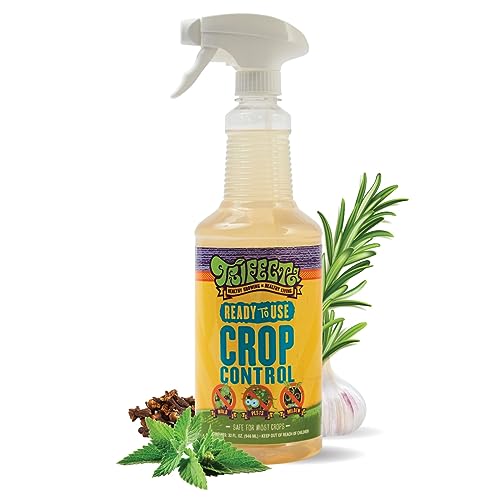
This ready-to-use plant spray combines insecticidal, fungicidal, and miticidal actions from a natural, plant-based formula. It targets spider mites, aphids, whiteflies, and other soft-bodied pests on indoor and outdoor plants. It is designed to be safe for edible crops when used as directed and avoids chemical residues. Best for organic-minded lemon growers who want a multi-purpose spray that also addresses powdery mildew and other plant diseases. A limitation is that some users may need repeat applications for persistent pests.
- Best for organic or low-toxicity garden setups.
- Choose this if you want a combined pest and disease control option.
- Avoid this if pests are highly resistant to essential-oil-based products; efficacy can vary by pest and stage.
BioAdvanced Organics Tomato, Vegetable & Fruit Plant Bug Spray
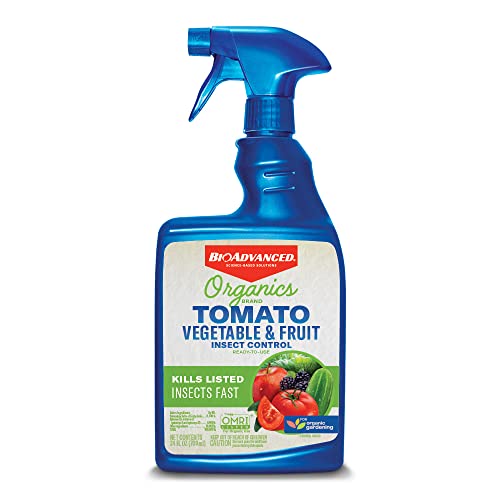
This ready-to-use spray kills listed pests on edibles, including lemons, by contact to protect fruit crops. It provides curative control against powdery mildew and is suitable for use on vegetables, fruit and nut trees, and other edible plants. Best for lemon growers seeking a quick-acting, organic-friendly option for on-site pest suppression. Limitation: may require frequent re-application during heavy pest pressure or adverse weather conditions.
- Best for quick, on-plant pest suppression on citrus.
- Better for organic gardenists needing a ready-to-use spray.
- Use with care around pollinators and fruit harvest timing per label.
Bonide Insecticidal Soap
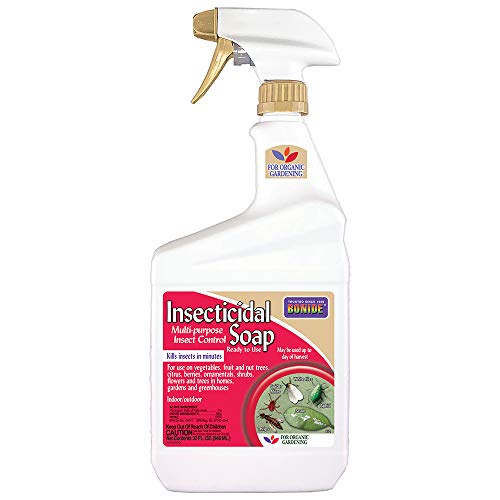
Bonide Insecticidal Soap provides direct-contact insect control for outdoor home gardens and fruit trees. It effectively manages adelgid, aphids, scales, spider mites, and other pests when sprayed directly or applied to leaf surfaces. Best for those seeking a gentle, soap-based option that acts quickly on contact. Limitation: efficacy depends on thorough coverage; it may require repeated applications for residual control.
- Best for direct-contact pest suppression on lemon trees.
- Better for gardens needing a simple, soap-based approach.
- Avoid relying on it as a sole solution for heavy infestations; combination with other products may be needed.
Buying Guide: Lemon Tree Insecticide Essentials
What pest problems are most common on lemons?
Aphids, whiteflies, spider mites, scale, and leafminers frequently attack lemon trees. Choosing an insecticide that targets these pests helps protect new growth, fruit quality, and overall tree health. Consider whether you need quick knockdown, preventive protection, or disease control in addition to pest suppression.
What formulation should I choose?
Concentrates are economical for larger tree arrays and allow extended preventive use with dilution. Ready-to-use sprays are convenient for quick spot treatment or smaller trees. Organic-friendly options like neem oil, essential-oil sprays, or insecticidal soaps are preferable when you want fewer synthetic inputs, especially on edible crops.
How should I apply to lemon trees?
Many lemon sprays require targeted application to trunks and branches, soil baselines, or foliage—depending on the product. Avoid spraying during peak flowering times if pollinators are active. Always follow label directions for dilution, dosage, and intervals between applications to minimize phytotoxicity and maximize pest control.
Is prevention or cure more important?
Prevention often reduces pest establishment, especially for persistent pests like scale and mites. Products labeled for both prevention and treatment can be used on a rotating basis to prevent resistance and maintain tree health across the growing season.
How do I rotate products for best results?
Rotate among products with different active ingredients or modes of action to reduce resistance risk. For example, pair a contact-kill soap with a preventive concentrate or neem-based oil to maintain coverage without overreliance on a single mechanism.
Safety and environmental considerations
Always wear protective gear when applying pesticides. Keep children and pets away from treated areas until dry, and avoid applying to water sources or edible parts beyond label guidance. Check for any cautions about pollinators and beneficial insects, especially in flowering periods.
Quick FAQ
- Q: Which product is best for preventing pests on lemon trees? A: BioAdvanced Fruit & Citrus Tree Insect Control Concentrate offers two-month protection after application and is suitable for multiple fruit trees.
- Q: Are organic options effective for lemons? A: Neem oil and insecticidal soaps provide organic-friendly control, but performance varies by pest and condition; consider combining with other products for broader coverage.
- Q: Can I use these on edible crops besides lemons? A: Yes, many are labeled for use on fruits, vegetables, and herbs. Always read the label to confirm crop suitability and withholding periods.
- Q: Should I spray foliage or the soil base? A: It depends on the product. Some concentrates are base-applied, while others are foliar sprays; follow label directions for proper application.
- Q: What if pests come back after treatment? A: Reassess pest pressure, consider rotation to a different mode of action, and reapply per label timing to prevent resistance and ensure ongoing control.
- Q: Do these affect beneficial insects? A: Some products are formulated to minimize impact on beneficials; however, avoid broad application during bloom and be mindful of local pollinator activity.