Finding the right large nursery pots supports healthy growth for bigger plants, trees, and container specimens. This guide highlights five durable options suited for serious outdoor and indoor gardening. Each product is chosen for size, material strength, drainage, and long-term usability. Best for: tree saplings, large shrubs, or tomatoes and other deep-rooted crops. The buying table below helps you compare at a glance.
| Product | Brand | Capacity | Material |
|---|---|---|---|
| Gro Pro Premium Nursery Pot 15 Gallon | Gro Pro | 15 Gallon | Thick black plastic |
| Gardzen 6-Pack 30 Gallon Grow Bags | Gardzen | 30 Gallon | Non-woven fabric |
| RooTrimmer 10 Gallon Plastic Nursery Pots | RooTrimmer | 10 Gallon | Thickened plastic |
| Anyumocz 60 Pcs 1 Gallon Nursery Pots | Anyumocz | 1 Gallon each (60 total) | Soft plastic |
| elfinrm Planter Nursery Pots 20 Gallon | elfinrm | 20 Gallon | HDPE, injection molded |
Gro Pro Premium Nursery Pot 15 Gallon
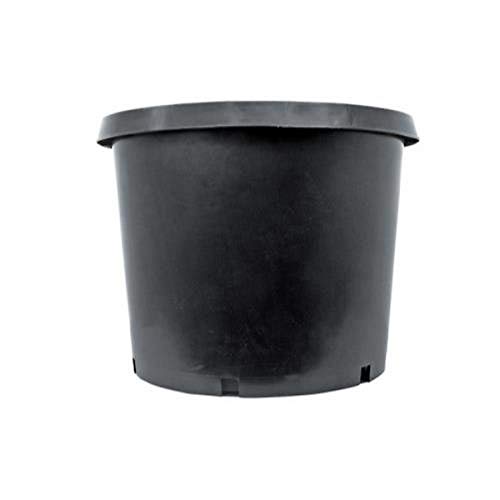
The Gro Pro 15-gallon nursery pot is a thick, injection-molded black plastic container designed for heavy-duty use. It emphasizes durability and a sturdy profile that resists cracking under outdoor conditions. Best for: larger saplings or shrubs requiring a roomy root zone, and gardeners who prioritize long-term reuse. The pot’s injection-molded construction supports repeated transplanting and outdoor exposure. Caution: weight and size may be challenging to move when fully filled with soil.
Gardzen 6-Pack 30 Gallon Grow Bags

Gardzen 30-gallon grow bags are heavy-duty fabric pots designed for excellent aeration and root pruning. Made from premium non-woven fabric, they provide strong drainage and breathability to avoid root circling, supporting vigorous growth. Best for: plants that benefit from air pruning and rapid root development, such as tomatoes or larger perennials. These are washable and reusable, and BPA/AZO-free. Limitation: fabric bags can sag as soil settles, requiring occasional repositioning for even growth.
RooTrimmer 10 Gallon Plastic Nursery Pots

RooTrimmer offers 10-gallon plastic nursery pots with drain holes on the sides to promote proper airflow and prevent overwatering. Made from thickened plastic, these pots are designed to resist cracking and fading in varied weather. Best for: large indoor or outdoor specimens that require a stable, reusable container. Choose this if you want easy handling and a strong, economical option. Limitation: plastic pots can heat up quickly in direct sun, potentially stressing roots in hot climates.
Anyumocz 60 Pcs 1 Gallon Pots

Anyumocz provides a bulk pack of 60 one-gallon nursery pots in soft, flexible plastic. They feature 16 drainage holes per pot to promote drainage and aeration, reducing the risk of root rot. Best for: quick-starting seedlings, cuttings, or seasonal plant swaps where low-cost, disposable containers are advantageous. Caution: thin plastic may be less durable for long-term reuse or rough handling.
elfinrm Planter Nursery Pots 20 Gallon

elfinrm 20-gallon planter pots are injection-molded from high-density HDPE, offering a sturdy yet relatively lightweight solution. They have round rims and drainage holes around the sides and bottom area to improve soil aeration. Best for: larger container projects where easy movement and robust construction are key. Limitation: larger pots require more space and heavier soil loads, affecting mobility for some gardeners.
Buying Guide: Key Considerations For Large Nursery Pots
- Material strength and durability: Choose injection-molded plastic or thick fabric that withstands outdoor conditions without cracking or tearing.
- Drainage and aeration: Ensure side or bottom drainage or fabric porosity to prevent waterlogging and promote healthy root systems.
- Root health features: Look for air-pruning options in fabric bags or pots with adequate drainage to minimize root circling.
- Mobility and handling: Consider weight when filled; handles or reinforced rims help with relocation and seasonal reuse.
- Reuse vs. disposal: Fabric pots are reusable but may require maintenance; plastic pots may be more durable for long-term use but can heat up in sun.
- Size alignment: Match pot capacity to plant size and root depth goals to avoid root crowding or wasted soil.
FAQ: Common Buyer Questions
- What size pot is best for a young tree? – Start with a pot that allows root growth without crowding; typically 10–20 gallons for mid-size trees, larger for established saplings.
- Are fabric grow bags better than plastic pots? – Fabric bags offer better aeration and can reduce root circling, but may require more frequent repositioning and handling care.
- Do I need drainage holes in every pot? – Yes. Drainage holes prevent excess water buildup and promote healthy roots; ensure holes are appropriately placed for the pot type.
- Can I reuse plastic nursery pots after plants are moved? – Yes, many plastic pots are designed for reuse, though some thin options may degrade after heavy use.
- Which pot is best for an indoor container garden? – For indoor use, choose pots with good drainage and a size that fits your space; heavier pots offer stability for tall plants.
- Are there moisture considerations with large pots? – Larger volumes retain moisture longer; monitor soil moisture to prevent overwatering, especially in hot conditions.