Find the right shade-tolerant lawn seed to brighten areas with limited sun. This guide highlights five strong options, explains who they’re best for, and explains why each stands out for shady yards.
The following picks are well-suited for buyers seeking reliable shade performance, easy overseeding, and a balance of seed plus fertilizer or soil improver. Use the quick comparison table to identify the best fit for your shade conditions, yard size, and maintenance goals.
| Product | Coverage | Seed Mix Highlights | Best For |
|---|---|---|---|
| Scotts Turf Builder Grass Seed Sun & Shade Mix (2,240 sq. ft.) | Up to 2,240 sq. ft. | Root-building nutrients; sun and shade tolerance | Average-sized lawns seeking deep-rooted, shade-tolerant growth |
| Pennington Smart Seed Dense Shade Mix | 4/7 lb bag options | Perennial Ryegrass, Kentucky Bluegrass, Tall Fescue blend; all-in-one seed and fertilizer | Medium to large shade areas needing thick coverage |
| Scotts Turf Builder Grass Seed Sun & Shade Mix (960 sq. ft.) | Up to 960 sq. ft. | Same sun/shade formulation; compact bag for smaller overseed jobs | Smaller yards or targeted overseeding |
| Scotts Turf Builder Thick’R Lawn Sun & Shade | 10 lbs bag | Three-in-one: seed, fertilizer, soil improver; true thickening action | Thin lawns needing visible thickening and quick fill-in |
| Scotts Turf Builder Rapid Grass Sun & Shade Mix | Up to 2,800 sq. ft. | Fast-growing mix plus fertilizer for rapid establishment | Overseeding large shade-prone areas quickly |
Scotts Turf Builder Grass Seed Sun and Shade Mix – 2,240 sq. ft.

This combination seed, fertilizer, and soil improver is designed to thrive in both sun and shade. Best for homeowners with mixed light conditions who want deep-rooted growth to withstand dry spells and light drought. The product notes a window of optimal temperatures for application, aligning with typical spring or fall overseeding. Use this mix to seed a new lawn or repair thin areas where shade prevails. Consider this option if you value root development and a stronger overall lawn structure.
Best for: medium to large lawns with varying sun exposure and a preference for deeper roots. Limitation: effectiveness depends on consistent temperatures during application and ongoing care.
Pennington Smart Seed Dense Shade Mix
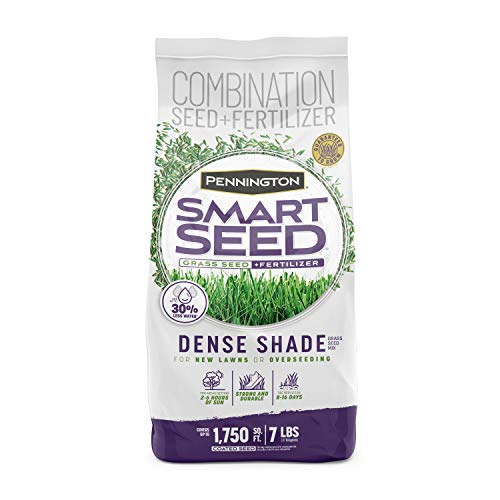
This seed blend combines Perennial Ryegrass, Kentucky Bluegrass, and Tall Fescue to perform well in shade. It’s designed to grow thick, green turf in areas that receive limited sunlight, and the package includes fertilizer for seed establishment. It’s a solid all-in-one choice for improving shade performance on lawns with partial sun, especially when you want a denser appearance quickly.
Best for: medium-sized shaded patches needing dense coverage and a straightforward mix. Limitation: shade-tolerant blends still need some sun to reach peak density; in very deep shade results may vary.
Scotts Turf Builder Grass Seed Sun and Shade Mix – 960 sq. ft.
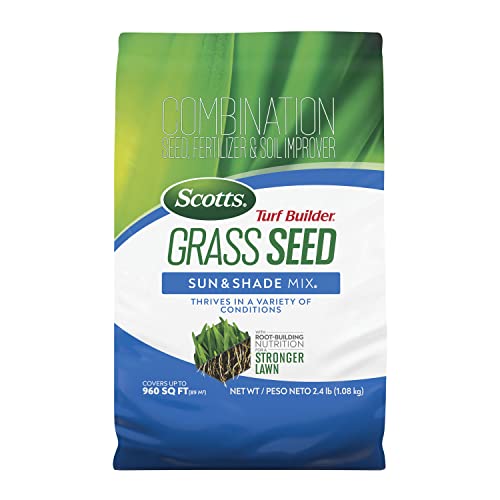
This is a compact version of the sun-and-shade seed blend, with the same root-building formulation aimed at establishing thick, green turf in mixed light. It’s best for smaller overseed jobs or for repairing small patches where shade reduces growth. The product emphasizes deep-root growth to improve drought resilience and lawn durability in shady zones.
Best for: small yards or targeted rejuvenation of shaded areas. Limitation: smaller coverage means more frequent applications for large problem spots.
Scotts Turf Builder Thick’R Lawn Sun and Shade

This 3-in-1 product combines seed, fertilizer, and soil improver to thicken thin lawns. It’s best for lawns that show sparse density due to shade or wear. The claim of up to 50% thicker grass depends on proper care and lawn condition. It targets patchy areas by providing both growth and root support to establish a more resilient turf.
Best for: thinning lawns that require noticeable thickening and a robust root system. Limitation: results vary with initial lawn condition and ongoing maintenance needs.
Scotts Turf Builder Rapid Grass Sun & Shade Mix
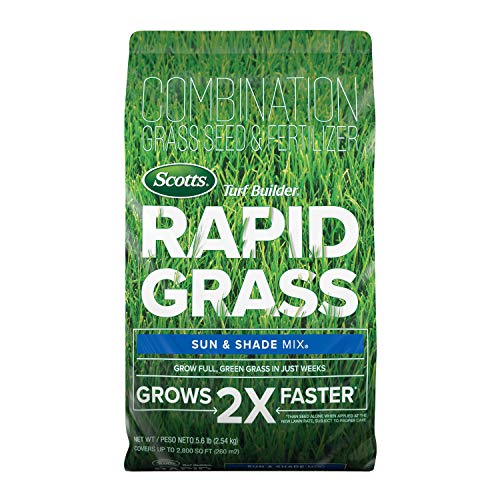
This mix is designed for rapid establishment in sun and shade, claiming faster growth than seed alone when applied at a new lawn rate. It’s suitable for overseeding large problem areas and for faster fill-in where shade reduces germination speed. The inclusion of fertilizer helps jump-start green growth in weeks rather than months.
Best for: large shaded lawns that need quick coverage and faster results. Limitation: as with all seed blends, success relies on weather and consistent watering during the establishment period.
Scotts PatchMaster Lawn Repair Mix Sun + Shade Mix

This patch-and-seed product blends mulch, seed, and lawn fertilizer to repair bare spots under sun and shade. It includes 100% recycled mulch that helps seed retention by absorbing water. Expect grass growth in as little as 7 days and feeding for up to 6 weeks. It’s designed for spot repairs rather than full-lawn seeding.
Best for: targeted bare spots and patch repair in shaded or mixed-light areas. Limitation: not intended for full-lawn overseeding or large-scale renovation.
Scotts EZ Seed Patch & Repair for Sun and Shade
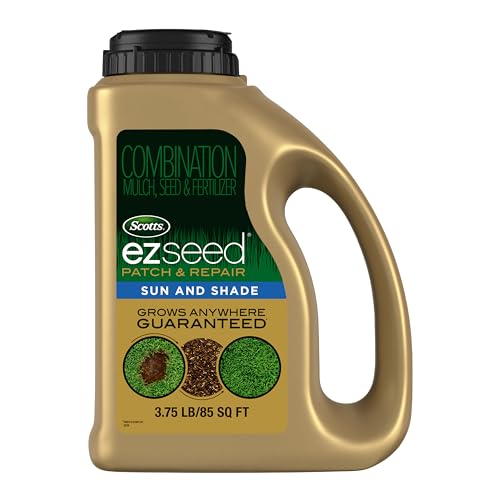
EZ Seed Patch & Repair combines mulch, seed, and fertilizer for bare spots and lawn patch repair. It germinates best in moderate temperatures and covers up to 85 sq. ft. in a simple three-step process. It’s designed for quick, easy spot repairs in sun or shade areas where damage occurred.
Best for: quick repair of small bare patches in shaded lawns. Limitation: coverage is limited, so larger areas require multiple applications or a different product.
Buying Guide: Shade-Friendly Lawn Seeding Essentials
What should I consider when choosing shade-tolerant seed?
Shade-tolerant blends typically combine cool-season grasses such as Kentucky bluegrass, perennial ryegrass, and tall fescue. Look for mixes that emphasize roots and density to resist thinning in low-light conditions. Consider your climate, sun exposure pattern, and whether you want a patch repair solution or full-lawn overseeding.
How much area do I need to seed or overseed?
Measure your lawn area in square feet. Choose a product with coverage that fits your yard size. For larger shaded zones, blends with rapid establishment or larger coverage can reduce the number of applications over time.
Do I want a one-step seed-and-fertilizer mix?
All-in-one products save time by combining seed with fertilizer and soil improver. They are convenient for beginners and busy homeowners, but ensure the included nutrients align with your soil test results, especially if your soil is high in or deficient in certain nutrients.
What maintenance should accompany shade-friendly seed?
Shade lawns often need more consistent moisture and depth of roots. Water deeply but less frequently to encourage deep rooting. Maintain a consistent mowing height appropriate for the selected grass type to help the lawn tolerate shade stress.
Which option suits a quick fill-in vs. a full lawn renovation?
For quick fill-in of bare or thin areas, patch and repair products or patch-and-seed mixes are ideal. For broader shade challenges, a larger bag with rapid establishment can help you cover more ground faster. Always start with a small test area if you’re unsure how well a blend will perform in your yard.
Soil considerations and timing
Most sun-and-shade blends perform best in mild temperatures. Spring and fall windows with daily average soil temperatures around 55–70°F (and air temps around 60–80°F) are common optimal periods. Consider soil quality and aeration before overseeding to maximize germination and root growth.
FAQ
- What grass grows best in shade? – Shade-tolerant cool-season grasses like fine fescues, certain bluegrass and ryegrass blends perform better in low light conditions.
- How long before I see green growth after overseeding? – Germination typically occurs within 7–21 days depending on the mix and conditions.
- Should I fertilize after seeding? – Yes, most blends include fertilizer or require a follow-up fertilization per label guidelines.
- Can I overseed over an existing lawn with shade-tolerant seed? – Overseeding can help fill gaps, but ensure proper prep, watering, and mowing practices to maximize germination.
- Are there products that act as patch repair for shade? – Yes, some products are designed for bare spots and patches, combining mulch, seed, and fertilizer to aid establishment.
- How do I avoid overwatering in shade lawns? – Water deeply but infrequently to encourage deep root growth; adjust frequency based on rainfall and soil moisture.