Answer: For ponds dealing with lily pads, duckweed, and assorted aquatic weeds, effective herbicides come in several forms—systemic liquid treatments, selective pond weed killers, and emergent weed controls. This guide highlights five top products that target lily pads and related aquatic plants while offering practical guidance on choosing the right one for your pond. Best for residential ponds, HOA water features, and small to medium lake edges alike, these options balance effectiveness with ease of use and safety for fish when used as directed.
Summary of selected products
- Airmax Wipeout Pond Weed Defense (8 oz) — long-lasting, all-season, broad weed control
- Airmax Shoreline Defense Emergent Weed Control (1 Quart) — focused on emergent weeds along shorelines
- Tsunami DQ Aquatic Herbicide (Quart) — fast-acting diquat-based control
- Alligare Diquat Aquatic Herbicide (1 Gallon) — non-glyphosate, broad aquatic weed kill
- CattPlex Pro (Quart) — imazamox-based, targeted cattail and aquatic weed control
Airmax Wipeout Pond Weed Defense — All-Season Weed Control
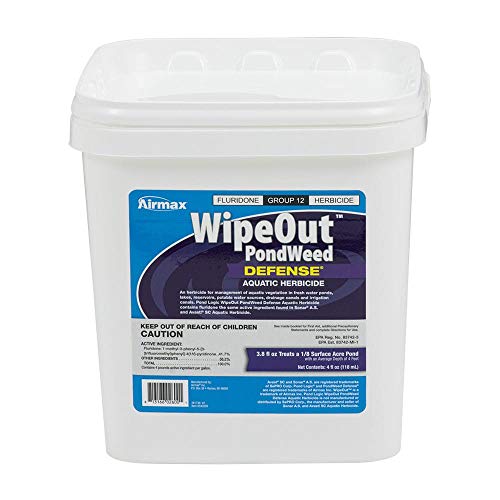
This product provides long-term pond weed control with an easy, all-season treatment for the entire water body. The systemic floridone herbicide reduces chlorophyll and nutrients in submerged and floating weeds without rapid oxygen depletion, helping maintain a fish-friendly environment when used as directed.
Best for: home ponds or small lakes needing sustained suppression of duckweed, water lilies, hydrilla, elodea, and other common pond weeds. Choose this if you want a single, season-long treatment instead of frequent applications.
Why selected: It targets both floating and submerged plants, offering broad coverage in one package and reducing frequent maintenance. It’s suited for busy owners, HOAs, and commercial ponds that prefer fewer treatments.
Caution: Do not exceed label directions; improper dosing can impact non-target aquatic life or water quality. Always follow mixing and application steps to avoid localized concentrations.
Airmax Shoreline Defense Emergent Weed Control (1 Quart)

Broad-spectrum liquid aquatic herbicide designed for emergent weeds along shorelines, including cattails, phragmites, grasses, and brush. Suitable for fresh and brackish water, it claims to kill down to the root when applied correctly with surfactant assistance.
Best for: shorelines, docks, beaches, and areas where emergent growth threatens access or aesthetics. It’s a solid pick when cattails or phragmites are the primary concern along the water’s edge.
Why selected: Emergent weed control is essential to prevent re-growth from rooted plants, and this product is designed to suppress those persistent species at the source.
Caution: Requires proper surfactant use and follow-up monitoring to ensure effectiveness and prevent collateral impact on nearby vegetation or wildlife.
Airmax Shoreline Defense Emergent Weed Control (1 Gallon)

This gallon-sized version of Airmax Shoreline Defense provides the same broad-spectrum emergent weed control for larger shoreline areas or facilities with extensive water edges. It supports long-term shoreline maintenance when used per label directions.
Best for: larger ponds, lake edges, and commercial properties with expansive shorelines where tall grasses and cattails challenge access or aesthetics. Choose this if you need more volume per treatment.
Why selected: It extends the same effective emergent weed approach to bigger water fronts, reducing replacement frequency and simplifying management for property managers.
Caution: Handle and apply with appropriate equipment; ensure uniform coverage to prevent uneven weed death and potential rebound growth.
Tsunami DQ Aquatic Herbicide — Quick, Wide-Range Weed Kill

This quart-sized diquat-based herbicide targets a broad spectrum of aquatic weeds, including duckweed, watermeal, curly leaf pondweed, and pondweed. It is designed for fast action to clear dense weed growth in lakes and ponds.
Best for: ponds needing rapid weed reduction to reopen water circulation or improve fish habitat when infestations are dense. It’s a strong option when quick results are needed.
Why selected: The fast-acting profile helps restore water quality sooner, which is valuable for seasonal use or when weed pressure spikes unexpectedly.
Caution: Diquat-based products can affect non-target plants along the shoreline if misapplied; apply precisely to the water and follow label directions for safe use.
Alligare Diquat Aquatic Herbicide — Non-Glyphosate Choice

This product offers instant weed control with fast results on contact. It provides broad-spectrum effectiveness without glyphosate, making it a convenient option for those avoiding glyphosate-based products in aquatic settings.
Best for: pond owners seeking a fast, non-glyphosate solution that works across watery and semi-wetland areas, including ponds, lakes, or drainage zones.
Why selected: Its glyphosate-free formulation appeals to buyers prioritizing non-Glyphosate approaches while maintaining rapid weed kill capabilities.
Caution: Like all diquat-based formulations, follow directions to protect non-target plants and aquatic life; adjust application to water flow and weed density.
CattPlex Pro — Targeted Cattail and Floating Weeds

CattPlex Pro focuses on cattails and a range of floating and submerged weeds using Imazamox as the active ingredient. It’s designed to restore aquatic ecosystems with precise, long-lasting control tailored to cattails and similar species.
Best for: ponds with prominent cattail growth or areas where targeted control of floating weeds like water lilies and duckweed is needed alongside broader weed management.
Why selected: The Imazamox-based formulation targets a key nuisance species with broader residual effects, offering a more focused solution when cattails dominate.
Caution: Applicable weed species and label constraints vary by region; verify label eligibility for your location before purchase.
Buying Guide: Key Considerations for Pond Weed Treatments
- Weed type and location: Distinguish between floating, submerged, and emergent weeds to choose a product designed for the target area (pond interior vs. shoreline banks).
- Active ingredient preferences: Glyphosate-free options exist and may be necessary for certain environments or restrictions. Consider systemic versus contact action for durability and safety.
- Water conditions: For moving water, larger volumes, or busy facilities, select products described as suitable for larger or dynamic water bodies and check surfactant recommendations.
- Application method: Some products require tank sprayers or simple pond water mixing; others are ready-to-use concentrates. Pick based on your access to equipment and maintenance schedule.
- Environmental and wildlife safety: Follow label directions to protect fish, invertebrates, and shoreline vegetation. Consider the duration of control and any potential impacts on beneficial plants.
- Tank and storage considerations: Store in a cool, dry place, and ensure containers are sealed and labeled to prevent accidental exposure or misuse.
Frequently Asked Questions
- What’s the best all-around weed killer for ponds with lily pads?
– A product offering broad-spectrum control for floating and submerged weeds, applied seasonally, is typically most effective for lily pads and related vegetation. - Are emergent weed killers useful for shoreline maintenance?
– Yes. Emergent weed control concentrates on cattails, grasses, and other plant roots at the water’s edge, reducing regrowth along shorelines. - Can I use these products in fish ponds?
– Most are designed to be fish-safe when used as directed, but always follow label instructions and consider a temporary pond drawdown if recommended. - Do I need to mix concentrates before application?
– Many products require mixing with pond water. Read the label for exact ratios and mixing steps to ensure proper dispersion. - How quickly do these herbicides work?
– Some provide fast results within hours, while others are designed for slower, steady control over weeks. Choose based on urgency and weed density. - Is glyphosate required for effective pond weed control?
– Not necessarily. There are glyphosate-free options that still deliver strong control, depending on the weed species and water conditions.