Direct answer: For improving soil health and pH balance, choose lime products that match your soil needs and plant goals. This guide highlights five reliable lime options ideal for home gardens, containers, and lawns. Each choice targets pH correction, calcium and magnesium supply, and nutrient availability. Best for organic gardeners, container growers, or lawn care enthusiasts seeking steady, long-lasting results.
| Product | Best For |
|---|---|
| Organic Dolomite Lime 5LB – Cz Garden Supply | Organic gardens and Earthbox-style containers |
| Jobe’s Organics Garden Lime | Low-odor, easy-handling lawn and garden soils |
| Earth Science Fast Acting Lime Granules | Small lawns and garden beds needing quick pH lift |
| Down To Earth All Natural Prilled Dolomite Lime | Organic-certified vegetable gardens |
| LimeIQ Liquid Lime | Quick, uniform pH correction for lawns and gardens |
Organic Dolomite Lime 5LB From Cz Garden Supply

Best for certified organic setups, this dolomite lime provides calcium and magnesium while raising and stabilizing soil pH. It is OMRI-listed, enabling use in organic production or food handling under USDA guidelines. The product is well-suited for Earthbox-style containers and other compact gardening systems where precise pH management supports fruit and vegetable growth.
Who it’s for: organic gardeners, container gardeners, and growers needing a reliable calcium-magnesium boost. Why selected: OMRI listing and compatibility with organic practices pair with stabilizing pH benefits for consistent plant health. Caution: apply according to soil tests to avoid unnecessary overshoot in pH.
Jobe’s Organics Garden Lime—6 Lb Bag

Best for lawns and mixed plantings, this organic lime helps raise soil alkalinity and improves nutrient absorption without synthetic additives. The 6-pound bag design emphasizes reduced waste and mess, making it a practical choice for multifaceted garden beds and lawn edges.
Who it’s for: homeowners seeking an organic, low-odor lime option with straightforward application. Why selected: OMRI-listed and free of synthetic chemicals, supporting organic gardening goals. Caution: granular texture can be dusty; wear a mask when pouring in windy locations or tight spaces.
Earth Science Fast Acting Lime Granules—5lb

Best for small lawns and garden patches that need immediate pH adjustment, these granules are designed to start working quickly. The 5-pound bag provides a practical amount for moderate-sized areas, helping roots access nutrients more readily and promoting stronger growth and color.
Who it’s for: homeowners wanting a fast-acting lime solution with noticeable short-term improvements. Why selected: immediate pH lift supports nutrient uptake and lawn vigor. Caution: granular application should be evenly distributed to avoid local pH pockets.
Down To Earth All Natural Dolomite Lime
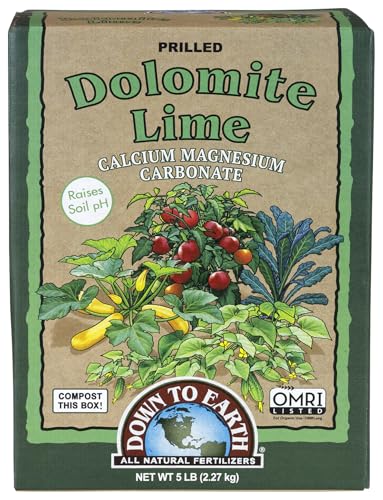
Best for vegetable gardens and organic beds, this natural limestone product raises soil pH while supplying calcium and magnesium essential for cell walls and root development. It is OMRI-listed, aligning with organic farming standards and ensuring compatibility with certified organic soil systems.
Who it’s for: organic gardeners seeking a trusted, all-natural lime with calcium-magnesium benefits. Why selected: clear focus on substrate health, pH stabilization, and nutrient availability. Caution: as with all lime, avoid excessive use without soil testing to prevent overshooting pH.
LimeIQ Liquid Lime

Best for fast, uniform pH correction with minimal mess, LimeIQ uses liquid calcium carbonate for quick soil penetration. It’s designed to be highly soluble, enabling thorough coverage and rapid nutrient availability improvement across lawns and garden beds.
Who it’s for: those who want a fast, even pH adjustment without dealing with granular dust. Why selected: liquid formulation can provide more predictable distribution. Caution: liquid products can be more sensitive to application timing and weather; follow label directions for dilution and rate.
Buying Guide: Key Considerations For Lime And Soil pH
Why test and match pH before applying lime
Soil pH determines nutrient availability. Start with a test to identify your current pH level and target range for your plants. Lime should be applied in measured increments to avoid overshoot and to match crop needs.
Granular vs. prilled vs. liquid lime
Granular and prilled lime provide longer-lasting pH stabilization, while liquid lime offers rapid correction. Choose based on how quickly you need results and whether you prefer low-dust, easy-application formats.
Organic certification and safety considerations
If you grow organically, select products that are OMRI-listed or certified for organic use. This ensures compatibility with organic standards and reduces risk of unwanted residues in edible crops.
Calcium and magnesium as a plant health boost
Dolomitic lime supplies calcium and magnesium, supporting strong cell walls, root development, and improved fertilizer efficiency. If soil tests show magnesium or calcium deficiency, consider a dolomite-based option.
Container gardens vs. in-ground beds
Container growers may benefit from products formulated for stable pH in constrained soils. Earthbox-compatible and other container-friendly lime can help maintain consistent growing conditions for fruiting vegetables.
Application tips and best practices
Apply lime evenly and follow product-specific directions. Water the soil after application when appropriate to help dissolve granules, but avoid run-off on slopes. Re-test soil periodically to adjust the plan as needed.
Frequently Asked Questions
- What is the main purpose of lime in soil? It raises soil pH and provides calcium and magnesium essential for plant growth.
- How quickly does lime affect soil pH? Granular and liquid forms vary; liquids often act faster, while granules provide longer-lasting correction.
- Can lime help prevent blossom end rot? Dolomite lime can supply calcium, which may reduce blossom end rot in tomatoes when used appropriately with soil tests.
- Is lime safe for organic gardens? Yes, many lime products are OMRI-listed and suitable for organic production when used as directed.
- Should I test my soil before buying lime? Yes. Soil testing identifies pH and nutrient needs, guiding product choice and application rate.
- What should I avoid when applying lime? Avoid over-application, which can raise pH too high and limit nutrient uptake; distribute evenly and recheck soil pH.