Answer: Lime pellets for lawn help raise soil pH, improve nutrient uptake, and promote deeper green growth. This guide focuses on pelletized and fast-acting options ideal for homeowners with acidic soils or nutrient lockout. The top picks below are best for small to mid-size lawns, quick pH adjustment, and long-lasting soil benefits. Each product is chosen for clear use cases, whether you have a new lawn, established turf, or an organic garden approach.
| Product | Type | Best For | Approx Coverage |
|---|---|---|---|
| Soil Doctor 54050860 Pelletized Calcitic Limestone | Pelletized limestone | Small to medium lawns needing quick pH raise | See bag |
| Earth Science Fast Acting Lime Granules | Fast-acting lime granules | Lawns needing immediate pH correction | See bag |
| The Andersons NutraLime DG Pelletized Limestone | DG pelletized limestone | Lawn or garden with irrigation-friendly application | See bag |
| Limelight Pro Enhanced Pelletized Limestone | Dolomitic limestone with magnesium | Acidic soils needing magnesium and color boost | See bag |
Soil Doctor 54050860 Pelletized Calcitic Limestone

Best for: Homeowners seeking a straightforward pH boost and healthier soil biology. This pelletized calcitic limestone neutralizes soil acidity, stimulates beneficial bacteria, and enhances fertilizer availability. Use when soil tests show low pH and limited nutrient uptake. Limitation: may require multiple applications for very acidic soils.
Earth Science Fast Acting Lime Granules

Best for: Lawns that need quick pH adjustment and improved nutrient uptake. These granules start working rapidly to raise soil pH, helping grass and other plants absorb nutrients more efficiently. Caution: evenly spread for uniform results and recheck pH after a few weeks to determine if another application is needed.
The Andersons NutraLime DG Pelletized Limestone
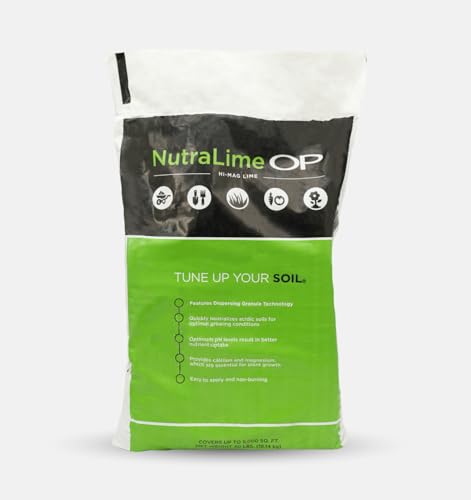
Best for: Lawns and gardens that benefit from fast-dispersing granules after irrigation. The DG technology allows quick dissolution, delivering calcium and magnesium to support overall plant health. Limitation: may require precise irrigation timing to maximize dispersion.
Limelight Pro Enhanced Pelletized Limestone

Best for: Lawns needing fast pH correction and magnesium support. This dolomitic limestone boosts both calcium and magnesium, helping deeper green color and stronger roots. Choose this if magnesium deficiency is a known issue. Limitation: heavier bags may require more effort to spread evenly on very large areas.
Espoma Organic Lightning Lime
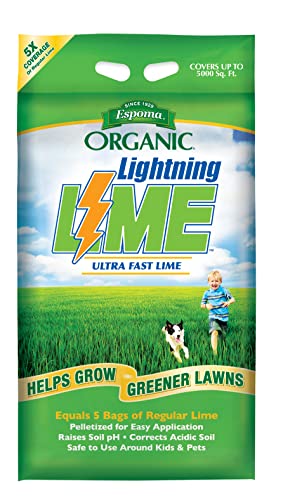
Best for: Organic lawn care enthusiasts seeking a fast-acting, pelletized lime with all-natural limestone and no fillers. This product covers up to 5,000 sq. ft. and works in as little as 6-8 weeks. Limitation: may need multiple applications for very acidic soils; not ideal for non-organic gardening approaches.
25LB Fast Acting Lime

Best for: Lawns seeking a steady, all-season pH rise and easier nutrient uptake. The product adds essential elements back into the soil and is designed to work across seasons. Caution: check soil pH before and after application to gauge necessity for follow-up treatment.
Buying Guide
What form of lime is best for my lawn?
Pelletized lime generally offers easier handling and even distribution compared with pulverized options. Fast-acting formulations work quickly but may require more frequent applications in very acidic soil. Dolomitic lime provides magnesium in addition to calcium, beneficial for yellowing or pale turf.
How do I determine the right amount?
Soil testing is the best guide. Follow product label directions based on your soil pH and lawn size. Re-apply only after testing shows pH drift or after the recommended interval to avoid over-liming, which can raise pH too far and lock out micronutrients.
What considerations help choose between organic and conventional lime?
Organic options, like Espoma Lightning Lime, avoid synthetic additives and are favored by organic lawn programs. Conventional lime products may offer faster pH changes and broader availability. Your lawn care goals and regulatory preferences guide the choice.
Are there safety and application tips?
Wear a mask and goggles if handling fine powders. Use a spreader for even coverage, and water in granules after application to help dissolution. Avoid applying lime on windy days to minimize drift and ensure uniform distribution across the lawn.
How to monitor results?
Test soil pH 4–8 weeks after application. Look for improved nutrient uptake, greener color, and better fertilizer response. If color and growth do not improve, consider a follow-up lime treatment or a soil test to adjust strategy.
What about large lawns or multi-year plans?
For larger areas, consider higher-capacity bags and a spreader accessory to maintain even coverage. Long-term lawn plans may benefit from a combination of lime, proper fertilization, and soil health practices like aeration and organic matter incorporation.
FAQ
- How long after applying lime will I see results? Most lawns show changes in 6-8 weeks, depending on soil type and weather.
- Can I apply lime on a wet or dry lawn? Dry conditions with dry granules are preferred; water in after application unless the product label specifies otherwise.
- Is lime safe for pets and kids? Follow label directions; most products are safe when used as directed and allowed to dry before re-entering treated areas.
- Should I lime if my lawn already looks green? Only if soil tests indicate acidity or poor nutrient uptake; excessive lime can raise pH beyond optimal levels.
- Can lime improve fertilizer efficiency? Yes, raising soil pH to an optimal range unlocks nutrients and helps fertilizers work more effectively.
- Do I need to test my soil before buying lime? Yes. A current soil test provides precise pH targets and helps choose the correct lime type and application rate.