Answering the common question “which liquid fertilizer is best for blueberries,” this guide highlights top options that support bigger berries, better fruit production, and stronger root systems. These products are best for blueberry growers, home gardeners tending container blueberries, and landscape enthusiasts seeking steady fruiting. Below you’ll find five well-suited choices, with clear reasons for each pick, essential considerations, and practical buying tips.
| Product | Best For | Key Benefit |
|---|---|---|
| TPS NUTRIENTS Blueberry Fertilizer (8 oz) | Small potted or young bushes | Targeted blueberry formula for fruiting and root strength |
| HiThrive 16 oz Blueberry Fertilizer | Season-long feeding for established plants | High value and balanced NPK for growth and berries |
| HiThrive 32 oz Blueberry Fertilizer | Larger gardens or multiple bushes | Extended coverage with robust nutrient mix |
| Bloom City Organic Berry Fertilizer 32 oz | Organic option for blueberries and strawberries | Balanced nutrition with berry-focused performance |
| Perfect Plants Liquid Blueberry Fertilizer (8 oz) | Acid-loving fruiting plants | 8-8-8 balance for acid soils and yield |
Blueberry Fertilizer – Liquid Plant Food (8 oz) – TPS NUTRIENTS
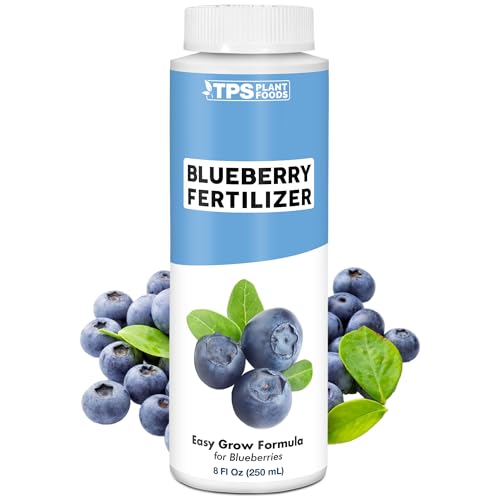
Best for small or young blueberry plants in containers or compact beds. This blueberry-specific liquid fertilizer is designed to support fruit production, flowering, and robust root development. The formula emphasizes blueberry adaptability and steady plant performance, making it suitable for new plantings or recovering bushes. A potential limitation is smaller bottle size, which may require more frequent applications for larger plantings.
16oz Blueberry Fertilizer – HiThrive

Best for gardeners seeking value and ready-to-use coverage. The 16 oz bottle yields up to 16 gallons of feed, making it practical for mid-size blueberry patches. It is rich in nitrogen for leaves, phosphorus for roots, and potassium for sweeter berries. A caution: larger plantings may require more frequent applications or higher-volume feeding than the bottle’s standard ratio, so plan accordingly.
32oz Blueberry Fertilizer – HiThrive

Best for larger blueberry plantings or multiple bushes needing extended feeding. This 32 oz option provides twice the volume of the 16 oz bottle, supporting steady growth, robust roots, and better fruit production. Ideal for users who want fewer refills and more uniform feeding schedules. Avoid this if you have a very small planting and want to minimize upfront cost or bottle weight.
Bloom City’s Organic Berry Fertilizer – 32 oz

Best for organic or berry-focused home gardens. This liquid plant food supports both blueberries and strawberries with balanced nutrition, promoting fruit development and plant strength. Best for growers seeking an organic-style option, though it may require more careful application to align with organic growing standards and local labeling.
Liquid Blueberry Fertilizer by Perfect Plants – 8 fl oz

Best for acid-loving fruiting plants in smaller setups. This 8-8-8 NPK formula caters to blueberries and other acid-loving berries, helping with steady fruit production and plant health. A potential limitation is the smaller bottle size, which may require more frequent reordering for larger gardens.
Buying Guide
- Plant stage and size: Choose smaller bottles for seedlings or container blueberries and larger bottles for established plantings or multiple bushes.
- NPK balance: An 8-8-8 or similar balanced ratio supports overall growth and fruiting; adjustments may be needed for soil with varied pH or nutrient levels.
- Soil pH considerations: Acid-loving plants like blueberries benefit from products formulated for low pH or organic options when applicable.
- Organic vs. synthetic: Organic-oriented products support garden sustainability but may require different feeding schedules than synthetic formulas.
- Application method: Liquid formulas are typically mixed with water; confirm dilution rates and frequency to match plant age and season.
- Re-application planning: Plan feedings around flowering and fruiting stages to optimize berry size and yield.
Frequently Asked Questions
- What is the best NPK for blueberries? A balanced NPK around 8-8-8 is common, but soil tests may indicate specific adjustments for your site.
- Can I use any liquid fertilizer on blueberries? It depends on formulation; products labeled for blueberries or acid-loving plants are typically safer choices.
- How often should I feed blueberry bushes? Many blueberry feeding schedules range from every 4–6 weeks during the growing season, but follow product directions.
- Do organic blueberry fertilizers work as well as synthetic ones? Organic options can support steady growth and soil health, though results may vary by soil and climate.
- Should I fertilize in the winter? Generally, avoid heavy feeding during dormancy; focus on the growing season or as directed by the product.
- Is pH management necessary when using liquid fertilizers? Yes, maintaining slightly acidic soil helps blueberries absorb nutrients more effectively.