If you want evenly distributed lawn fertilizer and weed control without mixing bags or dragging a heavy backpack sprayer, a liquid fertilizer sprayer that attaches to your garden hose is ideal. These devices are best for homeowners who want quick, uniform coverage for medium to large lawns, or for those who need precise dilution to protect delicate plants. This guide picks five top options and explains when each shines, plus a practical buying guide and quick FAQs.
| Product | Best For | Key Benefit |
|---|---|---|
| Chapin G390 Hose End Sprayer | Medium lawns, broad coverage | Wide 32 oz tank, easy fingertip control |
| Ortho Dial N Spray Hose-End Sprayer | Precise dilution, versatile tasks | Three spray patterns, anti-backflow |
| Scotts Liquid Turf Builder with Plus 2 Weed Control | Weed-prone lawns | Weed killer plus fertilizer in one spray |
| VENETIO 8-Dial Hose End Sprayer | Customizable mixes | Eight-dial precision control |
| RL Flo-Master Chameleon Hose End Sprayer | Versatile chemical usage | Three spray patterns, compatible with concentrates |
Chapin G390 Hose End Sprayer
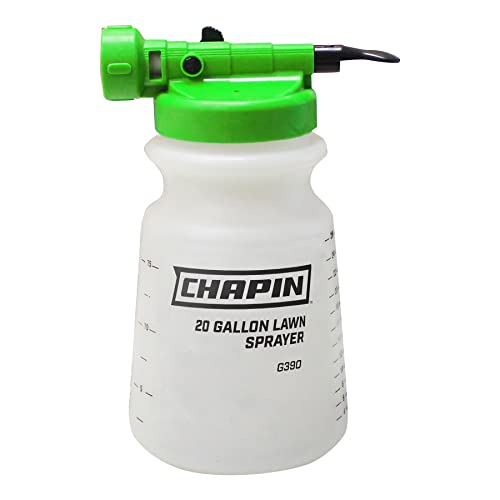
The Chapin G390 is designed for water-soluble lawn chemicals with a 32-ounce, chemical-resistant tank. It supports spraying up to a full fill of 20 gallons and features a universal hose attachment for quick setup, plus a removable fan nozzle for steady, direct applications. The fingertip control allows quick start and stop without interrupting workflow. Best for homeowners who need reliable, straightforward coverage for fertilizers, insecticides, or weed control in moderate-sized lawns. Caution: ensure compatibility with the specific chemical concentrate you plan to use and follow label instructions.
Ortho Dial N Spray Hose-End Sprayer
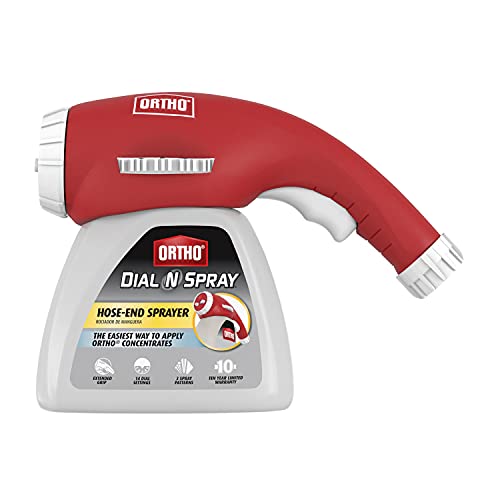
This sprayer offers three spray patterns—broadcast, jet, and shower—making it versatile for various lawn tasks. The ergonomically designed trigger, extended-grip handle, and rotating hose connector provide comfortable operation, while an anti-backflow device helps protect your home water system. It excels for those who want precise, repeatable dilution of liquid concentrates like weed killers, insecticides, fungicides, or fertilizers. Choose this if you value pattern variety and a secure backflow prevention feature. Limitation: it may require more careful calibration for large or aggressively growing weeds.
Scotts Liquid Turf Builder with Plus 2 Weed Control

Scotts combines a quick nitrogen boost with broadleaf weed control in a single hose-end application. This makes it a practical option for lawns where weeds are actively growing and rapid greening is desired. Best for homeowners who want a straightforward, single-solution spray that addresses fertilization and weed suppression together. Better for actively growing lawns; apply when weeds are visible for best results. Limitation: results depend on regular, seasonal applications and proper timing.
VENETIO 8-Dial Hose End Sprayer

VENETIO offers eight dilution settings to tailor mixes for watering, fertilizing, or cleaning. The anti-clog design helps prevent blockages when using thicker liquid concentrates, which makes it useful for heavier lawn feeds or mixed-use scenarios. Best for users who want precise, repeatable dilution and adaptable performance across multiple tasks. Caution: ensure the bottle size and connection match your hose setup and the concentrates you plan to use.
RL Flo-Master Chameleon Hose End Sprayer

The Chameleon sprayer is designed for a wide range of chemical needs, including fertilizers, weed killers, fungicides, and insect killers. It attaches directly to the hose and accepts most concentrate bottles, reducing the need for multiple tools. It features three spray patterns—fan, shower, and stream—and an instant on-off trigger for quick starts and stops. Best for buyers seeking a versatile, low-maintenance option. Limitation: performance can vary with very thick concentrates; use within label guidelines.
Buying Guide
Key considerations when choosing a liquid lawn sprayer:
- Spray patterns and dilution control: Look for models with multiple patterns and precise dilution settings to tailor coverage for different weeds, turf, and ornamental plants.
- Tank size and compatibility: A larger tank reduces refills, but ensure the unit fits your garden hose and can handle the desired concentrates.
- Ease of use: Features like a comfortable trigger, anti-backflow, quick-connect hoses, and clear calibration marks help reduce user error.
- Material and durability: Chemical-resistant tanks and sturdy fittings extend life, especially when using aggressive lawn chemicals.
- Safety and maintenance: Anti-backflow devices protect your drinking water; choose sprayers with easy-clean components to prevent clogs.
How to choose by lawn size and task
For small to medium lawns with routine feeding and weed control, a 32-ounce tank with straightforward controls works well. For larger lawns or frequent use with various products, a model offering multiple dilution settings and patterns provides better efficiency. If you regularly mix thicker concentrates, consider an anti-clog design and a durable nozzle.
Maintenance tips
- Rinse the tank after each use to prevent residue buildup.
- Flush the hose with clean water if switching between products.
- Store sprayers in a shaded, dry area to preserve seals.
Frequently Asked Questions
- How do I calculate the correct dilution? — Follow the product label’s mixing chart and verify the sprayer’s calibration marks before application.
- Can I use fertilizer concentrates with all sprayers? — Most sprayers are designed for water-soluble concentrates; always check the label and the sprayer’s compatibility.
- What’s the advantage of a backflow prevention feature? — It protects your household water supply by preventing contaminated water from flowing back into the hose.
- How often should I reapply lawn fertilizer with a hose-end sprayer? — This depends on the product’s label directions, lawn type, and growth stage. Follow local guidelines and product instructions.
- Are thicker concentrates a problem? — Some sprayers struggle with very thick formulas; choose models advertised as anti-clog or designed for thicker concentrates.
- Is a larger tank better for big yards? — Yes, but ensure compatibility with your hose setup and manageable weight when full.