Answering the question “which live fish should I stock in my pond?” this guide highlights practical choices for beginners and intermediate pond keepers. The top selections emphasize safety, compatibility, and ease of care for common pond ecosystems. Best for natural balance, best for aesthetics, and best for backyard ponds, these picks help you plan a healthy, visually appealing aquatic space. This article explains who each fish is best for and why it’s chosen, with clear, evidence-based notes you can verify quickly.
| Product | Size | Best For | Notes |
|---|---|---|---|
| 10 Pack Live 3-4 inch Largemouth bass | 3-4 inches | Pimping up a predator-friendly pond; larger ponds | Good for biological control; caution with ecosystem balance. |
| Toledo Goldfish Comet Feeder Goldfish (25) | 2-2.5 inches | Adding movement and a natural food source | USA-bred, healthy sourcing; ideal as feeder/ornamental fish. |
| Toledo Goldfish Shubunkin Goldfish (5) | 3-4 inches | Colorful centerpiece in ponds | Blue calico pattern; visually striking and hardy. |
| Toledo Goldfish Black Fathead Minnows (1000) | 0.5-1.5 inches | Diet support and forage for other fish | High reproduction rate; useful as feeder/forage fish. |
| Toledo Goldfish Standard Fin Koi (20) | 3-4 inches | Colorful pond centerpiece; compatible with koi setups | Variety of colors and patterns; omnivorous diet. |
Note: Always consider pond size, filtration, water quality, and local wildlife when stocking. This guide focuses on commonly available options that are manageable for home ponds and help create a balanced ecosystem while delivering a pleasing visual display.
10 Pack Live 3-4 Inch Largemouth Bass

The Largemouth bass in this pack is best for larger, predator-friendly ponds. This option is suited for pond owners looking to manage forage fish and add a dynamic top predator. Best for experienced pond managers who are familiar with ecosystem balance. A limitation is that bass can disrupt vegetation and amphibian populations if not carefully managed.
Toledo Goldfish Comet Feeder Goldfish
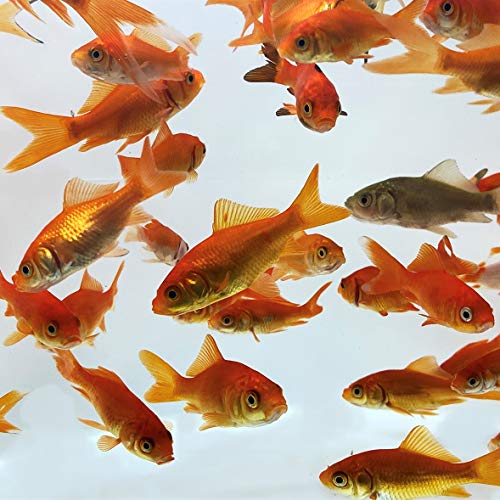
Best for adding motion and providing natural forage for pond wildlife. Comet feeders from Toledo Goldfish emphasize a USA-based family farm approach and health-conscious production. Choose this if you want visually appealing, hardy feeder fish. Use caution if your pond has predators that may view smaller goldfish as easy prey.
Toledo Goldfish Shubunkin Goldfish

The Shubunkin offers blue calico patterns and a visually dynamic presence in ponds. They are visually distinctive with unique patterns, making them an attractive centerpiece. They are omnivores and adapt well to varied diets. Limitation: pattern and color vary, so each fish will be unique in appearance.
Toledo Goldfish Black Fathead Minnows

This large minnow pack is ideal for establishing a forage base in large ponds or tanks. The Black Fathead Minnows are prolific and omnivorous, providing a steady food source for larger fish. Best for ponds needing natural feeding dynamics; caution with overstocking and potential reproduction rates.
20 Pack Live 2-3 Inch Channel Catfish
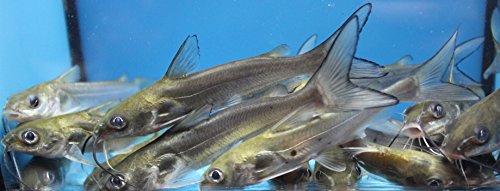
Channel catfish are a robust option for ponds with adequate space and filtering. They are suitable for beginner-to-intermediate stockers due to their hardiness and growth potential. Best for larger ponds needing bottom-dwelling activity and scavenging, but avoid high-density setups that could stress water quality.
Buying Guide: Key Purchase Considerations
Stocking goals: Determine whether you want color, predator-prey dynamics, or a robust forage base. Choose fish that align with your pond’s size and filtration capacity.
Water conditions: Assess temperature range, pH, ammonia, nitrite, and nitrate levels. Select species with compatible environmental needs to avoid stress and disease.
Growth and adult size: Consider max size, territorial behavior, and space requirements to prevent overcrowding and ecosystem imbalance.
Diet and feeding: Plan a diet that supports growth and health. Omnivores typically adapt to mixed diets, while specialized feeder fish require specific care.
Compatibility: Ensure species compatibility with existing pond inhabitants and predator-prey dynamics to maintain balance and biodiversity.
Frequently Asked Questions
- What is the best starter fish for a new pond? Answer: Goldfish and koi variants are popular for beginners due to hardiness and easy care, provided the pond has adequate filtration.
- Can I mix predator and prey fish in the same pond? Answer: Yes, but only if the pond is large enough and filtration is strong enough to support the resulting bioload and maintain balance.
- How many fish can I safely stock in a pond? Answer: It depends on pond size, filtration, and fish species. Start with conservative numbers and monitor water parameters closely.
- What angle should I consider for plant life and oxygenation? Answer: Include marginal and submerged plants to stabilize temperatures, provide cover, and support oxygenation.
- Are feeder fish safe for ponds with birds or larger predators? Answer: Feeder fish can attract predators; secure pond defenses and consider stocking order and timing to reduce risk.