When mildew threatens a garden, choosing the right spray matters. This guide highlights five mildew- and disease-fighting products that are suitable for American gardens, including organic options. Each entry includes who it’s best for, what it protects against, and practical usage notes. This helps growers select a product that targets mildew and related diseases without compromising safety or environmental goals. The list covers organic-friendly sprays, family-safe options for homes with pets, and robust treatments for larger outdoor spaces.
| Product | Best For | Why It Stands Out |
|---|---|---|
| Bonide Captain Jack’s Copper Fungicide, 32 oz Ready-to-Use Spray | Organic gardeners seeking broad disease protection | Approved for organic gardening; broad disease control including powdery mildew |
| Garden Safe Fungicide 3 32 Oz Ready-to-Use | Home gardens with flowers, vegetables, and shrubs | 3-in-1 formula for fungicide, insecticide, and miticide protection |
| Grower’s Ally Fungicide Spray 24 Oz | Organic growers seeking a natural approach | OMRI Listed; citric-acid based, protects against powdery mildew and more |
| FortaGrow Plant Disease Control Spray | Indoor/outdoor use; safe around families and pets | Natural thyme oil formula; plant-friendly and easy on tissues |
| Trifecta Crop Control Ready to Use 32 Oz | Homes and gardens with heavy mildew and pest pressure | All-natural, plant-based protection against mildew and multiple pests |
Bonide Captain Jack’s Copper Fungicide

This copper-based spray is designed to control a broad range of fungal diseases. Best for organic growers who need a versatile disease blocker that can be used up to harvest in many cases. Copper fungicides provide protection against powdery mildew, blight, black spot, and other common garden diseases. Use this when a copper-compatible approach is suitable for your crop list and environment. A limitation is potential phytotoxicity on copper-sensitive plants or under certain environmental conditions, so follow label directions carefully.
Garden Safe Fungicide 3

Designed for home gardens, this product targets a variety of fungal issues on roses, flowers, vegetables, and houseplants. The three-in-one action makes it convenient for gardeners who want protection from fungi and certain insects in one spray. Best for small to medium garden spaces where a combined fungicide, insecticide, and miticide is practical. Note that results depend on correct timing and coverage; avoid overuse near pollinators and follow label directions for safe use around edible plants.
Grower’s Ally Fungicide Spray

This outdoor and indoor spray uses a citric-acid base to combat powdery mildew and other pathogens. It is OMRI listed and FIFRA 25(b) exempt, making it attractive for organic growers seeking a natural alternative. Best for gardeners prioritizing a plant-safe, residue-minimizing option. Use preventatively to form a protective barrier and apply as directed to avoid leaf burn or reduced plant tolerance in extreme heat or drought conditions.
FortaGrow Plant Disease Control Spray

This thyme-oil-based spray offers a natural, plant-friendly option that targets common fungal and bacterial diseases. Best for indoor and outdoor use in homes with families and pets, as the main active component is a botanical oil. A potential limitation is shorter residual protection compared with synthetic options; use as part of a proactive spray schedule and reapply as directed for ongoing protection.
Trifecta Crop Control
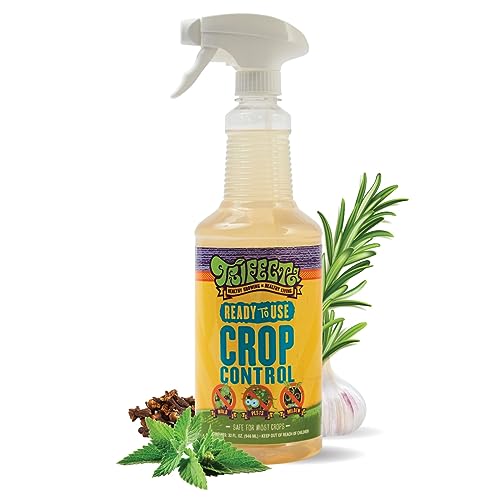
Trifecta Crop Control is a multi-action spray designed for both pests and powdery mildew. Best for gardeners seeking broad protection in a single product, suitable for indoor and outdoor use and compatible with edible crops. It provides fast-acting protection with a gentle formulation that aims to minimize impact on beneficial insects. A consideration is ensuring use around pollinators and following food-safety guidelines when applying to edible plants.
Buying Guide: Mildew Sprays For Plants
What should you consider before buying?
- Active ingredient and safe use: Organic options use copper or plant-based actives, while non-organic sprays may use synthetic compounds. Check label directions for crop compatibility and harvest timing.
- Scope of protection: Some sprays handle powdery mildew and black spot; others cover broader disease and pest control. Decide if you need 1-in-1 solutions or targeted mildew control.
- Indoor vs outdoor use: Indoor-use products often emphasize safety and low residuals, while outdoor formulas focus on larger spray coverage and environmental exposure.
- Plant safety and phytotoxicity: Copper-based products can affect copper-sensitive plants; natural oils may burn if misapplied. Always test a small area first if unsure.
- OMRI and FIFRA status: Organic gardeners may prefer OMRI-listed products, while FIFRA-exempt options suit certain jurisdictions. Confirm local regulations and label compliance.
- Application timing and coverage: Preventive sprays are often more effective than curative ones. Apply during calm conditions to minimize drift and maximize leaf coverage.
Frequently Asked Questions
- What is mildew on plants, and how do sprays help?
Mildew is a powdery fungal infection that disfigures leaves and reduces growth. Sprays deliver active ingredients to leaves and other surfaces to inhibit fungal development and protect new growth.
- Are organic mildew sprays less effective than conventional ones?
Effectiveness depends on the disease, plant type, and application timing. Many organic sprays provide strong protection when used as directed and in appropriate conditions.
- Can I spray indoors and outdoors with the same product?
Some products are labeled for both indoor and outdoor use; always follow the label for the intended environment and safety precautions.
- How often should I reapply mildew sprays?
Reapplication intervals depend on product instructions and weather. Avoid spraying during very hot, windy, or rainy conditions unless specified.
- Should I mix sprays with other garden products?
Do not mix unless the label explicitly allows it. Mixing can cause chemical interactions that reduce effectiveness or harm plants.
- What should I do if I see leaf burn after spraying?
Rinse leaves with water if immediate irritation is observed. Stop using the product until you assess plant sensitivity, and consult the label for damage mitigation steps.