Answering the key question for beekeepers: which mite control options reliably protect honey bee colonies without harming the brood. This guide highlights five proven products, who they’re best for, and practical usage notes. It covers oxalic acid strips, thymol gel, amitraz-based strips, formic acid treatments, and modern RNAi options. Use cases focus on small backyard hives to large operation needs, organic-friendly methods to conventional treatments. A quick summary table follows to compare core details at a glance.
| Product | Best For | Key Benefit | Limitations |
|---|---|---|---|
| Varroxsan Oxalic Acid Strips (60 Strips) | Small to mid-size apiaries | Long-lasting oxalic acid release | Requires hanging between frames |
| Apiguard – Thymol Gel Trays | Beekeepers seeking plant-based control | Slow-release, bee-safe thymol | Seasonal timing matters |
| Apivar 2.0 New Formula | Beekeepers needing fast mite drop | Faster action with reduced chemicals | Follow instructions for specific hives |
| Mann Lake Formic Pro – 10-Dose | Organic-friendly or residue-free needs | Formic acid with no honey residue | Formic needs careful timing |
| Norroa Varroa Mite Treatment – RNAi | Long-lasting, colony-safe control | RNAi-based suppression of mite reproduction | New technology may require regime clarity |
Varroxsan Oxalic Acid Strips (60 Strips)

Best for: beekeepers with established brood patterns seeking a long-acting oxalic acid solution. The product is designed for slow release, delivering 42–56 days of mite control by hanging between frames. It’s suitable for honey supers and organic beekeeping, appealing to both hobbyists and small commercial operations.
Why selected: its long 6–8 week duration reduces reapplication needs and provides consistent mite suppression without mixing. The format allows flexible batch sizing (20, 60, 600 strips) and resealable packaging for later use.
Caution: ensure proper placement between frames and follow local regulations on oxalic acid usage. Avoid using during honey flow if guidelines require timing considerations.
Apiguard – Natural Varroa Mite Treatment

Best for: beekeepers seeking an organic-friendly, plant-based varroa control option. Apiguard uses thymol gel to provide gradual mite suppression with minimal disruption to hive activity when used as directed.
Why selected: the gel format is ready-to-use and designed to minimize brood disturbance. It’s a straightforward application—peel back the lid and place gel-side up on brood frames—making it suitable for first-time users and those prioritizing safety for bees and brood.
Caution: timing is important. Apply during appropriate temperatures and brood-free windows to maximize effectiveness; improper timing can reduce efficacy or increase bee stress.
Apivar 2.0 New Formula

Best for: beekeepers who want a fast-acting, controlled mite drop with a simple maintenance routine. The Strips fit Langstroth and Dadant frames, enabling flexible hive equipment use.
Why selected: the 2026 redesign aims to improve contact consistency with fewer chemicals, supporting timely varroa control across seasons. No tools or toothpicks are required for placement, simplifying use in the field.
Caution: follow product directions for strip placement and duration. In some climates, efficacy can depend on environmental conditions and hive activity.
Mann Lake Formic Pro – 10-Dose

Best for: beekeepers seeking residue-free mite control with strong organic appeal. Formic Pro uses formic acid to target mites and is known for leaving no honey residue when used properly.
Why selected: the product emphasizes an extended shelf life and a colony-safe profile, with a focus on broad-season utility. It’s a practical option for beekeepers avoiding chemical residues in honey.
Caution: formic treatments require careful timing and hive monitoring. Adverse effects can occur if applied incorrectly, including brood disruption in sensitive periods.
Norroa Varroa Mite Treatment – RNAi
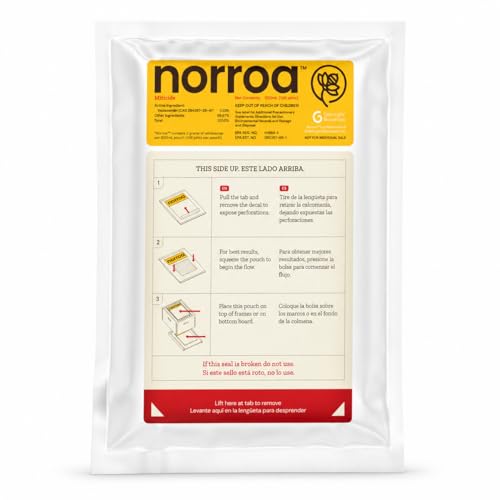
Best for: beekeepers wanting a modern, long-lasting control method with colony safety in mind. RNAi-based technology targets mite reproduction with a design intended to minimize hive disruption.
Why selected: offers prolonged protection—up to 18 weeks—with a single treatment, according to field trial summaries. The colony-safe formula aims to maintain brood and adult bee health while keeping mite levels low.
Caution: as with new technologies, operator familiarity and adherence to instructions are key to achieving intended results. Regulatory and usage guidelines should be followed carefully.
Buying Guide: Mite-Control Options For Bees
What type of mite control fits your hive size?
Smaller apiaries may benefit from compact, single-hive treatments like oxalic acid strips. Larger operations might prefer multi-pack formats or treatments that require less frequent reapplication, such as long-release oxalic acid strips or RNAi-based products.
Organic-friendly vs. conventional approaches
Organic-minded beekeepers often choose thymol gels (Apiguard) or formic acid products (Formic Pro) due to fewer synthetic chemicals. Conventional approaches may favor fast-acting options like Apivar 2.0 for rapid mite drop, especially during tight timelines like spring buildup.
Timing and seasonal considerations
Some products require precise timing for maximum effectiveness. Thymol gels and formic acid treatments are often most effective during specific brood cycles and temperatures. Plan application windows around honey flows and brood rearing to avoid disrupting brood.
Ease of use and equipment compatibility
Consider hive equipment when choosing. Langstroth and Dadant frame compatibility is common, but check product instructions for any frame-specific requirements. Ready-to-use gel trays and pre-cut strips simplify field use for beginners.
Safety, residues, and honey quality
Residue-free options are attractive for beekeepers focusing on honey purity. Formic acid and certain RNAi products emphasize colony safety and minimal honey contamination risk, but always follow label directions to protect brood and queens.
Practical selection tips
- For long-lasting suppression with minimal handling, choose slow-release oxalic acid strips.
- For plant-based prevention with easy application, consider Apiguard thymol gel.
- For rapid reduction of mite counts, Apivar 2.0 can be effective when timing and placement are correct.
- For organic-friendly, residue-free goals, Formic Pro is a strong candidate with proper timing.
- To explore modern, reproduction-targeted control, RNAi-based options offer extended protection in some cases.
Frequently asked questions
- What is the safest mite treatment for honey bees?
Safety depends on usage as directed. Plant-based thymol gels and formic acid products are designed to minimize brood disturbance when applied correctly, while maintaining efficacy.
- Can I use more than one mite treatment at once?
Do not mix products. Follow label instructions and stagger applications to avoid adverse effects on bees.
- Which treatment is best for organic beekeeping?
Thymol gel (Apiguard) and formic acid products are commonly favored in organic beekeeping for their residue patterns and alignment with organic standards.
- How do I know when to treat for Varroa mites?
Use mite testing (such as the Varroa Easy Check) to assess levels and time treatments according to guidelines for your region and season.
- What should I consider for hives with heavy brood?
Some treatments are more disruptive during brood rearing. Plan accordingly to protect brood and queens while achieving mite suppression.