Choosing the right potting mix can dramatically improve the health and growth of succulents and cacti. The blends below are tailored for fast drainage, aeration, and nutrient balance, helping prevent overwatering and root rot while supporting vibrant, resilient plants. Each product highlights specific strengths—from organic nutrition to grit-based drainage—so you can match a mix to your collection, climate, and care routine. Below you’ll find five top options with distinct textures and formulations to suit indoor and outdoor setups.
Summary of chosen products
- Back to the Roots 100% Organic Succulent & Cacti Mix — Known for balanced nutrients and enhanced soil structure.
- Miracle-Gro Succulent Potting Mix — Ready-to-use with Miracle-Gro plant food for indoor succulents.
- Miracle-Gro Cactus, Palm and Citrus Potting Mix — Fast-draining formula enriched with plant food.
- Rosy Soil Cactus & Succulent Organic Potting Soil Mix — Peat-free, fast-draining with microbial support.
- Bonsai Jack Gritty Mix — Ultra-light, fast-draining blend designed for drought-tolerant plants.
Back to the Roots 100% Organic Succulent & Cacti Mix

The Back to the Roots blend targets succulents and cacti with a SMART NUTRIENT BALANCE designed to support optimal growth. Aged bark improves soil structure for better aeration, promoting stronger root development. The mix includes perlite and horticultural sand to facilitate rapid drainage, reducing the risk of waterlogged soil and root rot. This combination is particularly suited for indoor containers or outdoor planters in warmer climates where quick drainage is essential.
Miracle-Gro Succulent Potting Mix
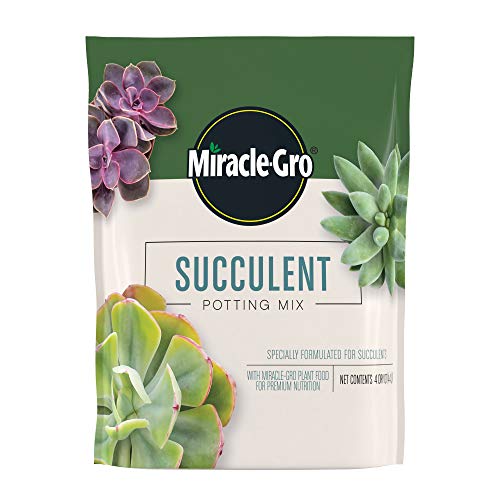
This potting mix is specially formulated for indoor succulents, including aloe vera and various echeverias. It combines sphagnum peat moss, processed forest products, and Miracle-Gro plant food to provide immediate nutrition. The blend is designed to support robust growth in container plants and is suitable for a broad range of household succulents. Regular use as directed can help maintain color, texture, and overall vigor in indoor environments with moderate light.
Miracle-Gro Cactus, Palm & Citrus Potting Mix
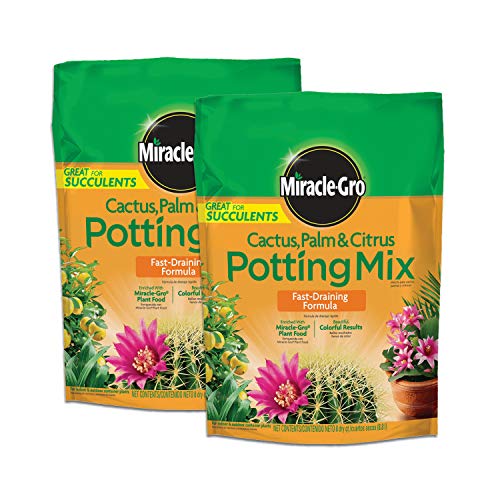
This 8-quart mix is enriched with Miracle-Gro Plant Food and engineered for fast drainage. It’s designed to support cacti, potted palms, citrus trees, and other succulents in both indoor and outdoor settings. The formula emphasizes quick drying between waterings while delivering essential nutrients to sustain growth and health in containers, making it a versatile option for varied plantings and climates.
Cactus and Succulent Organic Potting Soil Mix

Rosy Soil offers a peat-free, organic potting mix with a chunkier texture that promotes excellent drainage and aeration. The blend includes beneficial microorganisms and organic worm castings to enrich the root zone, supporting drought-tolerant succulents and cacti alike. Clear planting guidance helps users place plants correctly and maintain consistent moisture without risking overwatering, making it a practical choice for beginners and experienced growers.
Bonsai Jack Gritty Mix
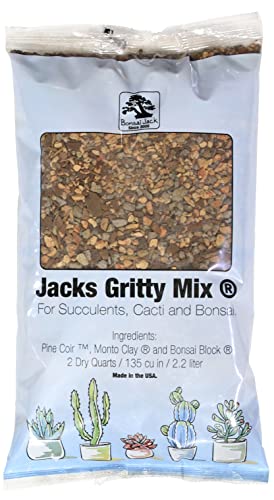
Bonsai Jack’s Gritty Mix is designed for fast drainage and low water retention, preventing root rot and promoting healthy root networks. The blend uses Bonsai Block, Monto Clay, and pine coir to create a well-aerated, dryer-foot environment ideal for succulents, cacti, and bonsai species that require precise moisture control. The mixture is optimized for pH around 5.5, which supports a wide range of drought-tolerant plants and offers responsive watering habits for container growth.
Buying Guide: Key Purchase Considerations for Succulent Mixes
When selecting a potting mix for succulents and cacti, consider drainage, texture, nutrients, and the plant’s individual needs. The following factors help compare options across brands and formulations.
- Drainage and aeration: Succulents require fast draining media to prevent root rot. Look for blends with perlite, pumice, sand, or bark to increase airflow and water passage.
- Texture and particle size: A chunky, looser texture improves root oxygen and reduces compaction. Gritty mixes are often ideal for species that prefer drier feet.
- Nutrient balance: Some mixes include built-in plant food, while others are inert and rely on periodic feeding. Decide whether you want ready-to-use nutrition or a neutral base for controlled feeding.
- Peat vs. peat-free: Peat-based mixes retain moisture longer but can compact and harbor pathogens. Peat-free blends with bark, coir, or volcanic lava offer better drainage and longevity.
- pH and plant compatibility: A slightly acidic to neutral pH (around 5.5–6.5) suits most succulents. Some species may prefer specific pH ranges, so verify compatibility for your collection.
- Cleanliness and pests: Soilless or grit-based mixes reduce gnats and soil-borne issues. Consider blends designed to be low-mess and easy to clean up.
Practical considerations also include your climate and watering routine. In arid regions or homes with bright sun, faster-drying mixes help prevent overwatering, while humid environments may benefit from soils with additional drainage textures. For beginners, blends with built-in nutrients can simplify care, but experienced growers may prefer inert media to tailor fertilization precisely.
To optimize results, match the mix to your plant species and pot size. For larger planters, you may combine a base of fast-draining mix with a top-dressing of coarse grit to maintain excellent surface moisture management. Regularly inspect roots and adjust watering schedules based on plant response and seasonal changes. A well-chosen succulent mix supports not only growth but also resilience against common issues like root rot, gnats, and nutrient deficiencies.