If you’re looking for reliable moisture monitoring, moisture sticks and soil sensors help gardeners avoid overwatering and underwatering. This guide highlights five moisture-stick style sensors that fit a range of pot sizes and plant types, from small succulents to larger indoor plants. Each product is described with who it’s best for, why it was chosen, and a practical caveat to consider before buying.
Buyer’s quick reference:
| Product | Best For | Pot Size Fit | Notes |
|---|---|---|---|
| Sustee Aquameter (Small) | Low-maintenance succulents | 2–3 in | Leave-in design for continuous monitoring |
| Sustee Aquameter (Medium) | Compact houseplants and herbs | 3.5–6 in | Leave-in design, refillable cores |
| DILIGROW Aquameter | Beginner-friendly setups | Small to medium pots | Visible moisture window, durable |
| Sustee Aquameter (Large) | Deep pots and larger plants | 6–12 in | Leave-in, refillable cores |
| Antonki 2 Pack | No-battery, budget-friendly | Indoor/outdoor, various sizes | Dial-based reading, simple use |
Sustee Aquameter Small — Green
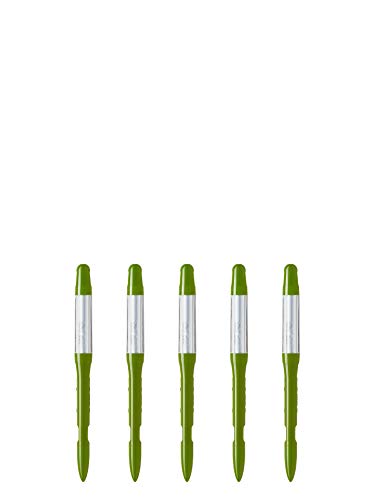
The Sustee Aquameter Small is designed for tiny pots, typically 2 to 3 inches in diameter. It’s a leave-in soil moisture sensor pen, providing continuous monitoring without the need to remove the device for readings. The set includes five green refillable sticks, each with a replaceable core. Best for small succulents and desk plants that require steady moisture checks. A limitation is that the small size can be less precise for larger root zones, so monitor for shifts in bigger pots.
Sustee Aquameter Medium — Green

The Medium Sustee Aquameter targets pots roughly 3.5 to 6 inches in diameter. It’s also a leave-in sensor with five refillable green sticks. This option suits a range of small and medium houseplants, including herbs and foliage plants that live on a windowsill. Best for gardeners who want continuous data without disturbing soil, though larger root systems may benefit from a deeper-reading probe in bigger pots.
Diligrow Aquameter — 6 PCS

The Diligrow Aquameter is a practical choice for beginners and mixed plant setups. It uses a solid-state fiber probe and provides a visible moisture window that shifts from blue to white as soil moisture declines. It fits small to medium pots and emphasizes 24/7 readiness with less soil disturbance. A potential limitation is that the sensor may require trimming to fit certain pot shapes, and the durable design should be handled to avoid bent probes.
Sustee Aquameter Large — Green

The Large Sustee Aquameter is built for bigger pots, typically 6 to 12 inches. It allows continuous soil moisture monitoring with a replaceable green core set. This option suits potted plants with deeper root zones or those grown in larger decorative containers. Best for routine caretakers managing multiple large pots; however, it may be oversized for small spaces and could be more costly to maintain if not used regularly.
XLUX Long Probe Deep Use Meter — 14 cm

The XLUX Long Probe is a versatile option for deeper pots. The 5.5-inch probe reaches soil toward the bottom of larger pots, giving a more representative reading than surface-only meters. It features a large dial with ten scales in three color zones, making moisture levels easy to interpret. Best for large indoor plants or outdoor containers; do not leave the probe in soil for more than five minutes to prevent corrosion of the metal tip.
Buying Guide: Moisture Sensors For Plants
- What pot size do you use most often? Choose a model whose probe length and reading depth match your typical pot diameter to avoid shallow readings or missed moisture pockets.
- Do you want a leave-in sensor or a removable meter? Leave-in sticks provide continuous data, but some gardeners prefer removable models for occasional checks.
- How important is refillability? If you plan to monitor multiple plants long-term, refillable cores or sticks reduce ongoing costs and waste.
- Is ease of reading a priority? Models with large dials and color-coded zones help quick decisions, especially for beginners.
- Will you place sensors indoors, outdoors, or both? Consider weather resistance and how exposure might affect performance and durability.
FAQ
- Q: Do moisture sticks require batteries? A: Most do not; many operate passively with simple probes and color-coded readings.
- Q: Can I use these in hydroponic systems? A: They are designed for soil; hydroponic setups often need different moisture monitoring methods.
- Q: How often should I check readings? A: For new plants, check weekly or after watering to establish a baseline for each pot.
- Q: Do readings vary with soil type? A: Yes; soil composition and potting mix can affect readings, so compare plants with similar media.
- Q: How long do the refill sticks last? A: Durability varies; most sticks are designed for months of use but inspect cores for wear.
- Q: Should I leave a moisture meter in place permanently? A: Leave-in meters are designed for continuous monitoring, but periodic removal and recalibration can help with accuracy checks.