Choosing the right mulch can help herb gardens thrive with less watering, fewer weeds, and healthier soil. This article reviews five mulching options chosen for edible gardens, containers, and raised beds. Each product balances moisture retention, weed suppression, and soil health while staying practical for American backyard herbists and urban growers alike.
Selected Products At a Glance
| Product | Brand | Key Benefit |
|---|---|---|
| HealthiStraw GardenStraw, 3 cu ft | HealthiStraw | Water-conscious wheat straw mulch ideal for vegetables and lawns; cleansed and non-GMO. |
| Riare 4 Pack Coco Chips Substrate | Riare | Organic coconut coir chips; low EC and balanced pH for healthy root growth. |
| Gardenera Premium Eucalyptus Mulch | Gardenera | Natural aroma mulch with moisture retention and weed suppression. |
| Garden Elements Cocoa Bean Shell Mulch | Garden Elements | Natural cocoa shells; moisture retention, weed control, fade-resistant color. |
| Blue Mountain Hay Organic Garden Straw | Blue Mountain Hay | Certified organic straw mulch for moisture retention and season-long coverage. |
The list below highlights five mulches well-suited for herb gardens, focusing on moisture management, weed control, soil health, and ease of use. Each product is reviewed with its key features, practical applications, and suitability for edible plants, containers, and raised beds.
HealthiStraw GardenStraw 3 Cu Ft

The HealthiStraw GardenStraw mulch is made from 100% non-GMO wheat straw and is designed for vegetable and edible gardens, raised beds, containers, and lawn seeding. It features enhanced seed filtration to reduce most wheat seeds, helping to minimize volunteer weeds while providing water-saving benefits. The mulch can help lower irrigation needs by up to half and helps stabilize soil temperature and moisture, making it a practical option for nutrient-rich herb beds that require steady moisture levels.
Riare 4 Pack Coco Chips Substrate
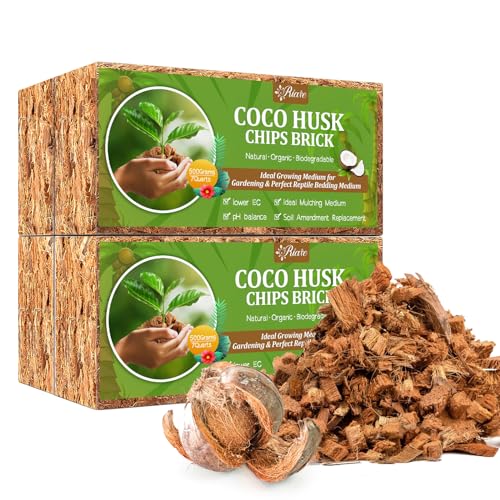
Riare’s coco chips bricks are 100% organic coconut coir blocks that expand into a versatile substrate. The low EC and balanced pH support healthy root systems for herbs and flowering plants. Easy to store and mix with other media, these bricks provide good aeration and moisture retention, helping herbs thrive in containers or garden beds. They expand significantly with water, creating a reusable substrate that can improve drainage and nutrient uptake for leafy herbs like basil and thyme.
Gardenera Premium Eucalyptus Mulch

Gardenera’s eucalyptus mulch blend offers a natural aroma while helping conserve soil moisture. It acts as a physical barrier to suppress weeds and contributes organic matter as it decomposes, supporting soil health and microbial activity. This mulch is suitable for herb borders, edible flower beds, and containers where a pleasant scent and a tidy appearance are valued alongside moisture retention and weed suppression.
Garden Elements Cocoa Bean Shell Mulch

Garden Elements Cocoa Bean Shell Mulch uses natural cocoa shells to provide a distinctive chocolate aroma and a visually appealing dark brown color. It offers moisture retention and weed suppression, making it a stylish and functional choice for herb beds, flowering herbs, and potted plants. It’s especially popular where a richer mulch appearance pairs with effective hydration and protection from weed competition.
Blue Mountain Hay Organic Garden Straw

Blue Mountain Hay offers 100% organic straw mulch sourced from certified fields. Its moisture-retaining properties help keep herb garden soil consistently damp, reducing watering frequency. The straw also provides seasonal protection for new plantings and seeds, supporting early growth and preventing soil erosion. This mulch is well-suited for herb borders, edging, and rejuvenating bare garden patches.
Buying Guide: Key Considerations For Herb Garden Mulch
When selecting mulch for herbs, consider how it will influence moisture, soil health, weed control, and ease of use. Different herb varieties may prefer slightly different moisture regimes, so match mulch to your climate and irrigation schedule.
- Moisture retention: Mulches like straw and coconut coir retain moisture well, reducing irrigation needs in hot climates and during dry spells.
- Weed suppression: A dense, well-maintained mulch layer minimizes weed competition, which helps herbs compete for nutrients and water.
- Soil health and organic matter: Mulches that decompose add organic matter, supporting beneficial microbes and improving soil structure for robust herb growth.
- pH and EC considerations: Some substrates (e.g., coconut coir) have neutral pH and low EC, which can be advantageous for many herbs; test soil when in doubt.
- Appearance and aroma: Cocoa bean shell mulch contributes a chocolate scent and dark color, while eucalyptus mulch offers a natural aroma and distinct look.
- Application and maintenance: Most mulches should be replenished every season or as the layer thins; check irrigation compatibility for raised beds and containers.
- Safety for edible plants: Use food-safe materials and avoid mulches with dyes, pest control chemicals, or high salt content that could affect herb flavor.
For herb gardens, combining mulches with practical irrigation strategies (drip irrigation or soaker hoses) can maximize water efficiency. Depending on your climate, you may opt for lighter mulch layers in spring and a deeper layer in fall to support overwintering herbs and seedlings. Consider testing different mulches in a small area to observe irrigation needs, weed suppression, and soil health over a growing season.
This guide focuses on mulches suitable for a range of herb-focused setups, including in-ground beds, raised beds, and containers. The five products above provide options that balance moisture management, weed suppression, and soil health while remaining accessible for American backyard gardeners and urban growers.
Buying considerations summarized: moisture retention, weed suppression, soil health impact, ease of use, scent and appearance, and compatibility with edible plants. Each product listed has practical value depending on your herb garden’s size, location, and irrigation system.