Answering your search for reliable net cups for hydroponics, this guide highlights five strong options selected for durability, airflow, and ease of use. Ideal buyers include beginners building a simple Kratky setup, hobbyists managing orchid propagation, and experienced growers optimizing root health in NFT or DWC systems. Below is a quick, side‑by‑side overview to help you decide at a glance.
| Product | Size | Inclusions | Best For |
|---|---|---|---|
| ORIMERC 2 Inch Net Cups (30 Pack) | 2 inch | 30 pots, 30 ft self-watering wick, 30 plant labels | Orchids and compact setups needing good air flow |
| ORIMERC 3 Inch Net Cups (12 Pack) | 3 inch | 12 pots, 12 ft self-watering wick, 12 plant labels | Mason jar or bucket style systems; larger media volumes |
| Tmtamye 2 Inch Net Pots (100 Pack) | 2 inch | 100 pots, 20 plant labels | High‑volume plant starts; versatile media compatibility |
| Panxxsen 3 Inch Net Pots (50 Pack) | 3 inch | 50 pots | General hydroponics and aquaponics with wider lip |
| CHTASO 3 Inch Heavy Duty Net Pots (50 Pack) | 3 inch | 50 pots | Durable, reusable pots for long seasons |
ORIMERC 2 Inch Net Cups Pots — 30 Pack

Key features: 30 two-inch net pots, 30 feet of self-watering capillary wick, and 30 plant labels. The design includes a slotted mesh for air circulation and drainage, helping prevent root rot and “wet feet.” The 2.1″ wide lip provides flexibility for different hole saw sizes and containers, and the cups are reusable after plant removal. Best for compact systems, orchid propagation, or small hydroponic setups where quick root air exchange matters.
Who it’s best for: hobbyists starting small hydroponic or terrarium projects; orchid growers seeking reliable, reusable cups with labeling.
Caution: The wider lip aids fit, but ensure your hole sizing matches the lip to avoid looseness in some custom racks.
ORIMERC 3 Inch Net Cups Pots — 12 Pack

Key features: 3-inch net pots with a 12-foot self-watering wick and 12 plant labels. The larger diameter accommodates more growing media and is suitable for KRATKY or NFT style setups with bigger root zones. The slotted mesh improves air circulation and drainage, reducing overwatering risk.
Who it’s best for: users planning a medium‑scale hydroponic system or those cultivating larger plants such as vegetables or herbs in a bucket or jar environment.
Caution: Slightly larger cups require bigger pre‑drilled holes; ensure your system tolerates 3-inch inserts to prevent leaks or instability.
Tmtamye 2 Inch Net Pots — 100 Pack
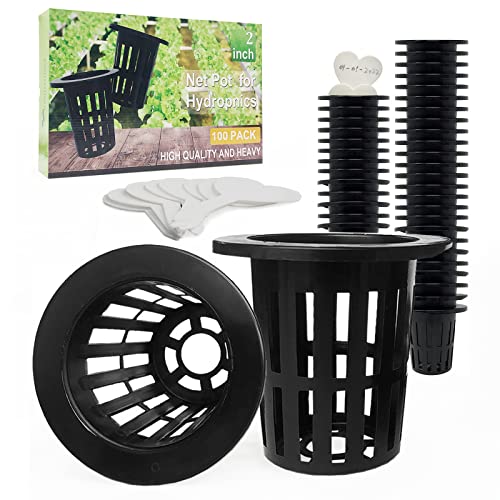
Key features: 100 pieces of 2-inch net cups with a wide lip design and numerous gaps to promote root growth. Compatible with a broad range of media, including expanded clay, lava rock, pumice, vermiculite, and rockwool. Durable, UV‑resistant plastic suitable for outdoor use and repeated reuse.
Who it’s best for: high-volume growers or educators running multiple small propagation stations, where uniform size and cutting cost per unit matter.
Caution: Not the most rigid option for heavy loading; ensure media is evenly distributed to avoid tipping in lighter setups.
Panxxsen 3 Inch Net Pots — 50 Pack

Key features: 3-inch net pots with a sturdy, heavy-duty plastic build and a wide lip designed to sit securely in standard 3-inch holes. Suitable for hydroponics, aquaponics, and various media, including expanded clay pebbles and rockwool.
Who it’s best for: growers seeking reliable 3-inch cups for larger plant starts or media that requires more space for root expansion. Choose this if you prioritize durability and secure fit.
Caution: Slightly heavier cups may require reinforced supports in some lightweight setups; verify your rack compatibility with 3-inch cups before purchase.
CHTASO 3 Inch Heavy Duty Net Pots — 50 Pack

Key features: 3-inch, heavy-duty net pots designed for durability and reuse. The slotted mesh supports robust root growth and flexible media compatibility, including clay pebbles, pumice, vermiculite, and rockwool. Material is UV-resistant and reusable, making them a solid long-term option for outdoor growth.
Who it’s best for: commercial hobbyists or home growers planning extended hydroponic seasons who want pots that withstand frequent use and weather exposure.
Caution: Heavy-duty design can be less forgiving in extremely tight spaces; ensure adequate clearance for insertion and removal in compact setups.
Buying Guide: Net Cups For Hydroponics
- What size do I need? Consider plant size and media volume. 2-inch cups fit many orchids and small starts; 3-inch cups work well for vegetables and larger herbs.
- What material matters? Look for UV-resistant, durable plastics for outdoor use. Reusability is a key factor for cost and waste reduction.
- How important is the lip design? A wider lip helps with insertion into pre-cut holes and provides flexibility for slight size variations in racks.
- How much airflow do I require? Slotted mesh improves aeration, reduces wet feet, and supports healthier root systems.
- Should I include self-watering wicks? Self-watering features help maintain moisture between refills, especially in vacation setups or systems that rely on capillary action.
- Media compatibility? Ensure cups accommodate your chosen growing media (expanded clay, lava rocks, pumice, rockwool, vermiculite, etc.).
Frequently Asked Questions
- What is the main purpose of net cups in hydroponics? They provide a contained space for plant roots while allowing air flow and drainage to prevent root rot.
- Are net cups reusable? Yes, most are designed for multiple cycles; clean and inspect for signs of wear before reuse.
- Which size should beginners start with? A 2-inch cup is ideal for small starts and orchids; move to 3 inches for larger plants or media-heavy setups.
- Do net cups affect yield? Proper airflow and drainage support healthier root systems, which can contribute to better growth and yield under appropriate conditions.
- Can net cups be used in mason jar systems? Yes, 3-inch cups are often a good fit for mason jars and bucket-style kits with compatible openings.
- What maintenance is required? Periodically inspect for cracks, ensure holes remain clear of debris, and replace severely worn cups to maintain performance.